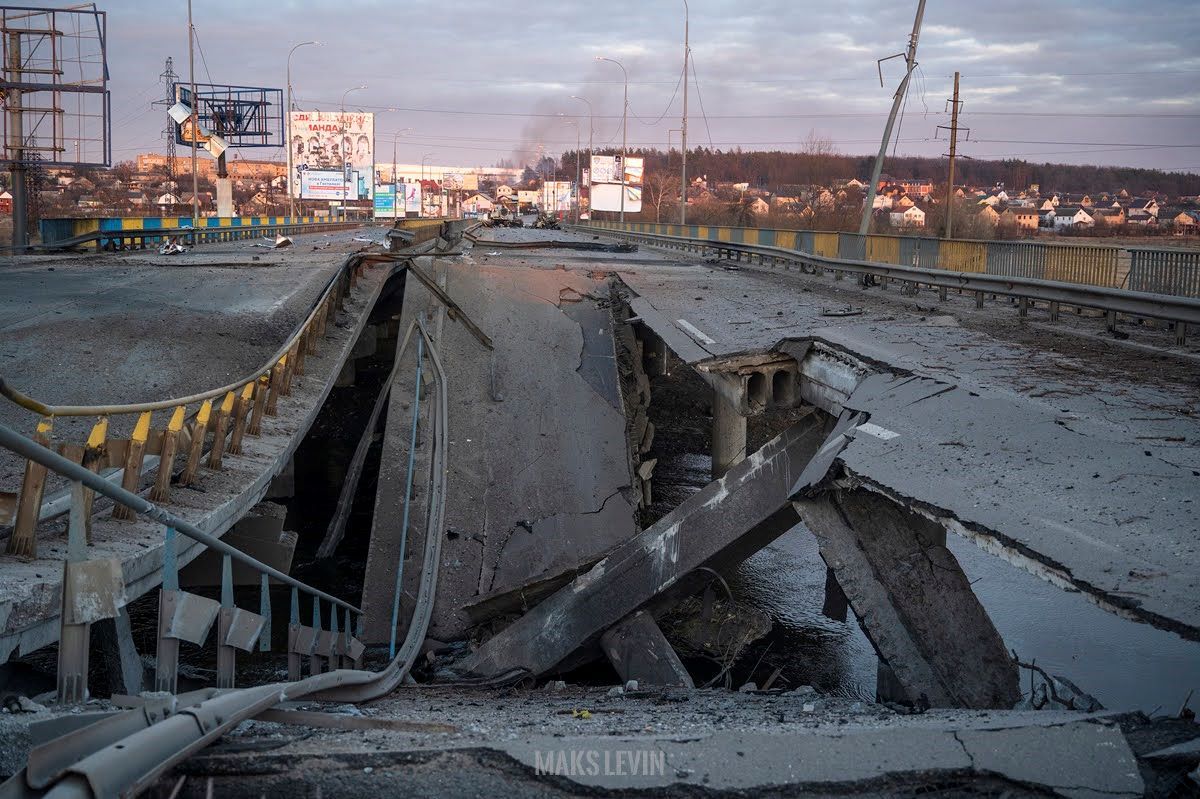
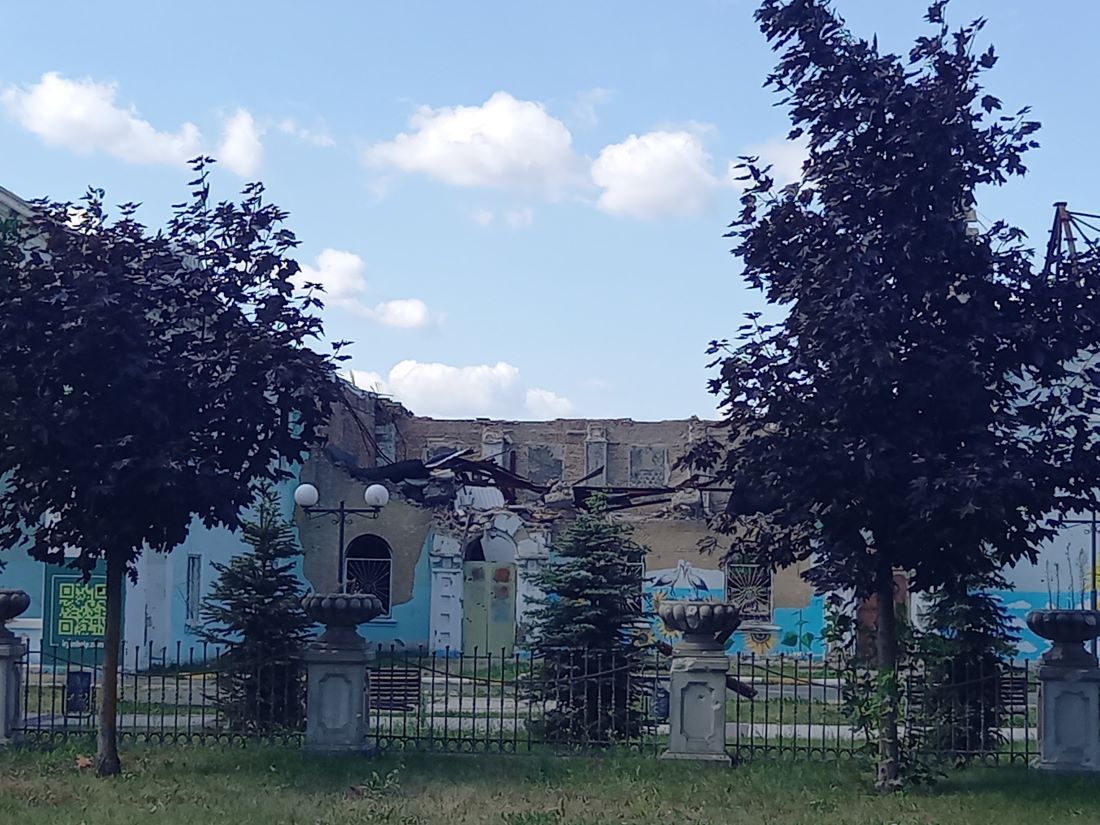
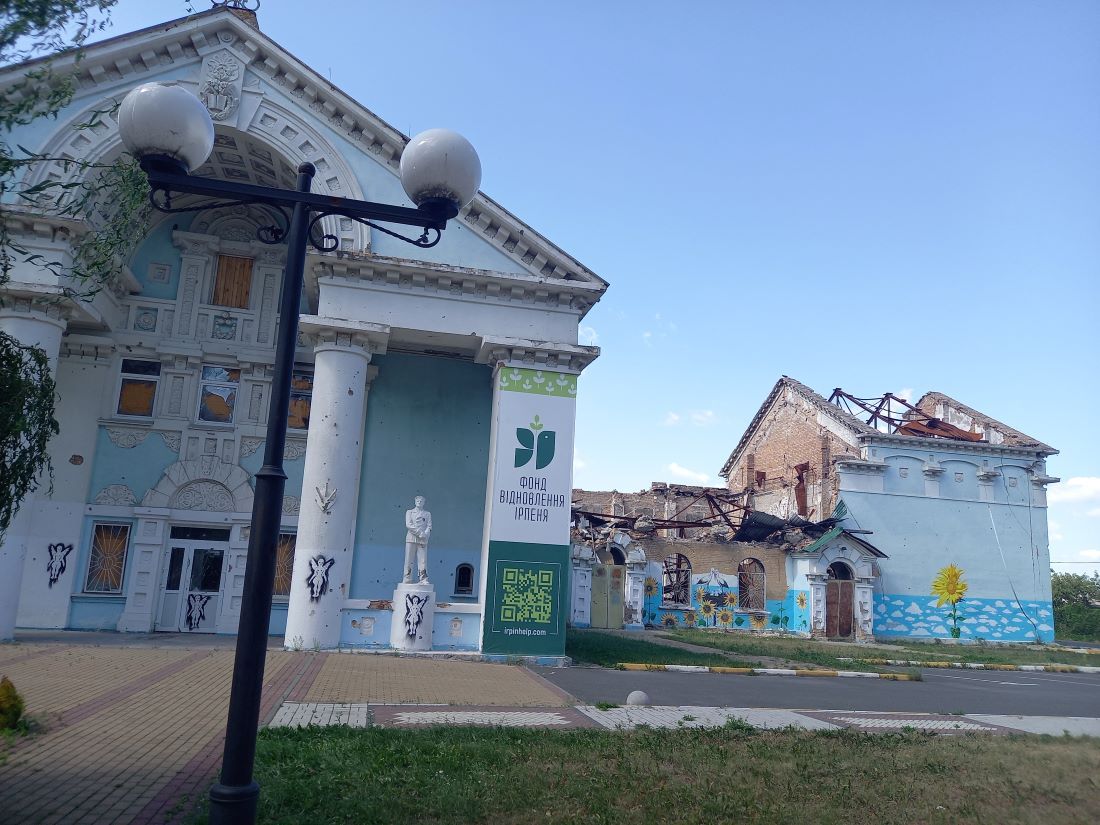
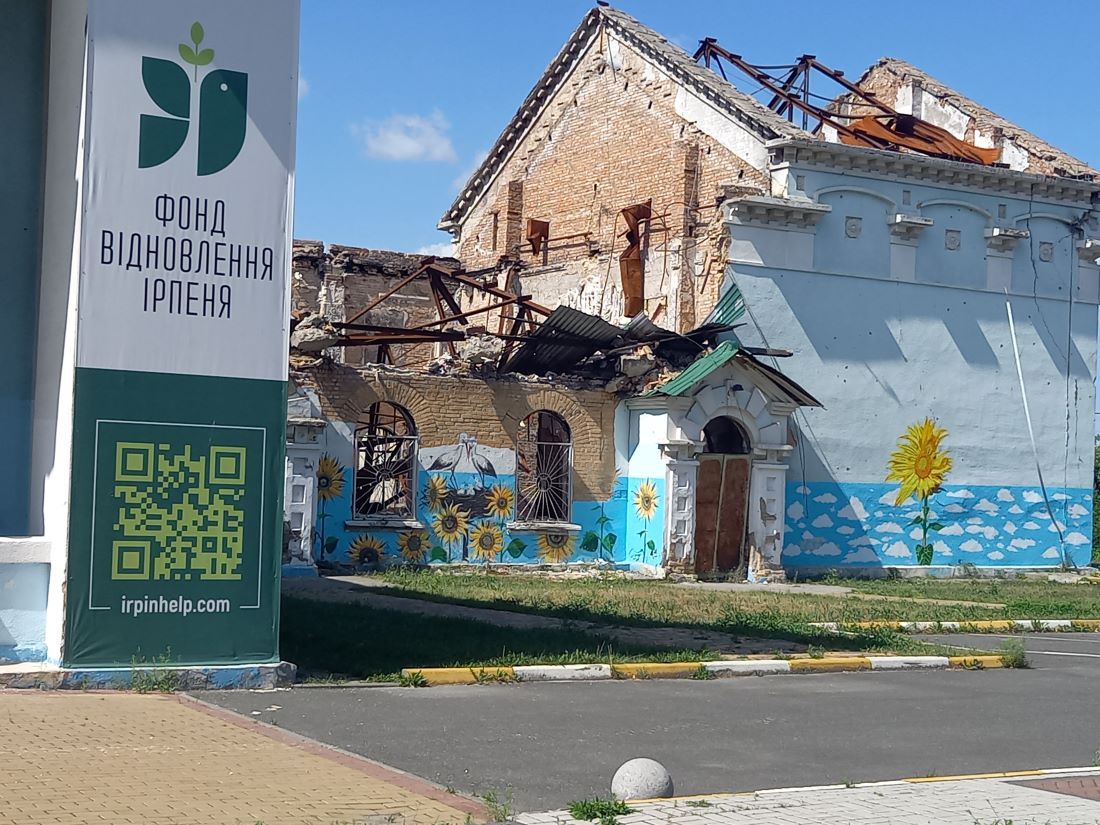
Представете си, че сега сте на 9 години и е 15 септември. В днешно време това би означавало, че сте на прага на трети клас. Предстои ви да учите за частите на речта, видове морфеми, трицифрени числа, умножение и деление. Започвате да трупате първоначални знания по география, история, гражданско образование, нищо че още не ги наричате така. Ще чуете за живата и неживата природа, за здравословното хранене, ще работите с дигитални устройства, файлове, ще прохождате в програмирането.
А сега да се върнем към спомените: какво учеше всеки от нас в трети клас? Със сигурност учехме същата математика и същия български език, но не в трети, а в по-горен клас. Предметът човекът и обществото не съществуваше. Никога не е намирала място в учебната ми програма в начален и в прогимназиален етап и една от настоящите му основни „компетентности като очаквани резултати от обучението“, според която ученикът
разбира, че обществото се състои от различни по състав групи от хора.
За файлове или здравословно хранене в днешния му вид не бяхме чували.
Може да се върнем още 30 години назад и да сравним, после още 50, после още и още. Ще вървим по все по-изтъняваща нишка, която ще ни води до предшественика на днешен предмет, урок, факт. Колкото и да изтънява, тази нишка няма да се скъса, защото ученето е в основата на човешката природа и то ни съпътства от първия ден на човечеството.
Ако изключим най-очевидните разлики, като тези в наименованията на предметите и допълването на съвременни технологии и факти, не знам дали ще намерим значителни промени. Стандартният учебен час все още масово е с продължителност 40 или 45 минути. Оценките все още са единственият критерий за приемане на даден учебен материал за научен. Въпреки модерните помагала рецитирането на уроците е търсената форма за изразяване на напредъка. Да не говорим за тъжната действителност, с която се сблъсках само преди няколко месеца в едно от най-желаните държавни училища в Пловдив – в повечето стаи стояха същите разбити и грозни чинове и столове, на които са учили моите връстници от това училище преди повече от 20 години.
Изобщо – традицията е жива.
Законът за предучилищно и училищно образование твърди в отделни алинеи на чл. 3, че образованието се реализира в съответствие с (ал. 5) „принципите на запазване на българската образователна традиция“ и (ал. 8) „иновативност и ефективност в педагогическите практики и в организацията на образователния процес“. Българската образователна традиция може и да не е строго дефинирана в методики или структура, но е видима дори за неучастващите в нея.
Образователната ни система, останала в далечното минало и правеща плахи опити за преминаване към модерност, които са по-скоро по задължение, все още не обръща внимание на единствения си продукт – собствените си ученици. И въпреки че в правилниците на повечето училища може да прочетем, че учителят е свободен сам да прецени и приложи методите и средствата за провеждане на образователния процес, стига крайният резултат да покрива изискванията, поставени от Министерството на образованието, традиционно се подкрепят твърдата ръка, класическото писмено/устно изпитване и морално остарелият подход към учениците като към послушници.
Всеки има право на (задължително) образование
Чл. 53 [от Конституцията на Република България] (1) Всеки има право на образование. (2) Училищното обучение до 16-годишна възраст е задължително.
Времето, което прекарват децата в образователната система в България, възлиза на около 15 години, включва предучилищно и училищно образование и обхваща периода от 4-годишна до 19-годишна възраст. Това са 12 училищни учебни години, всяка от които средно по 10 месеца, или 40 седмици, по 5 учебни дни, по 7 учебни часа на ден. Това прави близо 17 000 учебни часа, без да броим извънкласните форми или заниманията по интереси.
Въпросът, който си задаваме най-рядко като родители, е какво очакваме да получи един ученик през това време. Или другояче: кое в моето собствено образование беше толкова полезно, че е запазило непреходната си стойност и трябва да е част от обучението на децата в наши дни?
Когато заговорим за „традиционно образование“, имаме предвид начина на преподаване и учебното съдържание, конструкцията на учебния ден, йерархията и дори материалната среда, в която се намира учещият. Традиция, в чиято основа стоят дидактическите принципи, формулирани през XVII век от Ян Амос Коменски.
Традиционно децата:
започват училище между шестата и седмата си година;
са разделени стриктно по възраст в групи, наричани класове, от приблизително 26 деца;
посещават часове, имат учебници и помагала;
седят на чинове, а учителят е пред тях;
биват изпитвани устно и писмено;
получават част от възпитанието си точно в училище, развиват характера си и се подготвят за самостоятелно съществуване като членове на обществото.
Коменски си е представял образованието по подобен начин преди четири века. Днес на много места в българските класни стаи то продължава да изглежда горе-долу в рамките на неговите представи. Може би е време да помислим за промяна.
Културно наследство
Аналогично и почти автоматично се замисляме за опазване на културното наследство, когато говорим за традиции в образованието. Да предадем на децата знанието за собствената ни култура е изключително важно, но какво можем да постигнем, ако всяка година в часа по изобразително изкуство подготовката за Деня на будителите включва задачата „Нарисувайте картина за празника на будителите“. И в първи, и във втори, та дори и в пети клас!
Колко по-удачно, запомнящо се и полезно би било този час да е извън класната стая – в музей, галерия, та дори и на улицата, наречена на някой заслужил мястото си в празника. Няма как да очакваме различен резултат, когато действието ни е едно и също. Винаги ще получаваме от децата опит за портрет на някой будител, вместо да ги запознаем с човешката страна на будителите и да ги потърсим в наши дни.
Мястото на обучение
Излизането извън класната стая е наложително. Независимо по кой предмет. Отдавна учителят не стои само на подиум и не е единственият, който притежава книга. Затвореното и подредено класически помещение с учителя най-отпред не предполага свободна дискусия, взаимодействие и комуникация, а чисто психологически създава дистанцираност и контрапродуктивност.
Приложение на предметите във всекидневието
Математиката не свършва със звънеца за междучасие, защото в него отиваме до закусвалнята, където трябва да си платим, и е добре да можем да преценим дали имаме пари за всичко, което искаме. Ако сме по-големи, може би ще е полезно, освен в урока в шести клас за изчисляване на ДДС, да сме чували от кого и за какви цели се дължи то. Ето как лесно се прави връзката между гражданско, математическо и икономическо образование.
Изучаването на чужд език отдавна не включва само безкрайни граматически текстове. На фона на всички модерни учебници не е адекватно на някои места децата да получават лошо ксерокопиран лист от поне 30-годишен учебник. Културата, нравите и порядките в чуждото общество, чийто език изучаваме, ще ни улеснят да запомним падеж или склонение. При наличието на толкова много заселили се по една или друга причина тук чужденци защо да не проведем часа по немски или френски при някого от тях или заедно с него?
Учебници и изпити
И като говорим за учебници – колко точно адекватен в днешно време е възпроизвеждащият характер на традиционния учебен процес? Факти и информация, които се преподават и после трябва да бъдат предадени от изпитвания в писмена или устна форма.
С малки изключения ученикът изобщо няма възможността да оформи критична мисъл, да бъде предизвикан да намери собствено решение или да сътвори нещо самостоятелно. Ако имате късмет да сте с добре развита визуална памет, ще се справите отлично, дори и да не разбирате добре какво точно учите. Но то сигурно и не е толкова важно, щом няма досег до реалния живот.
Минало незабравимо
Образованието е изцяло фиксирано в миналото. История, предания, творци, традиции – изучаваме само това, което е било. При скоростните промени, които съпътстват живота ни и засягат модела на модерното семейство, видовете професии, структурата на целия свят, а и самите деца, които не са същите, каквито са били преди, е абсолютно необясним отказът на образователната система да погледне отвъд вчерашния ден.
Ако искаме да имаме подготвени за бъдещето специалисти, които са конкурентоспособни, и им гласуваме доверието си отсега, трябва спешно да актуализираме образователните си стандарти. Няма значение дали децата ни ще са работодатели, или служители, те ще се нуждаят от адаптивност, за да се справят с неизвестни за нас предизвикателства, ще трябва да са креативни, ще трябва да могат да работят в екип. Нито едно от тези качества не може да бъде придобито, ако теорията продължи да е по-важна от практиката, ако все така се поощряват конформизмът и конкуренцията за оценки, нито пък ако миналото продължи да е по-важно от настоящето и бъдещето.
Никога в историята на човечеството не е имало толкова много образовани хора, колкото има сега. Образованието днес е широко достъпно и обхваща почти всички групи на обществото. Това, за съжаление, не го прави по-качествено и по-градивно. Традициите могат да са корен на сигурност и стабилност, който да бъде подхранен с нуждите и интересите на разнородни по възраст и интереси деца. Така те ще могат да минат сигурно по пътя си в училище и да се развият като неповторимите хора, които знаем, че имат потенциала да бъдат. А това би било възможно само ако започнем да мислим какво е важно и според тях.
Светът се променя с бясна скорост. Професиите, в които ще се развиват поколенията, започващи днес образователния си път, все още не са измислени. Подготвена ли е нашата образователна система, за да отговори на тези предизвикателства? Какво може и трябва да се промени? А как?
Веднъж месечно в рубриката „Възможното образование“ ще говорим за промяната – такава, каквато искаме да я видим, за добрите примери и за посоките, в които може би е добре да обърне поглед българската образователна система.
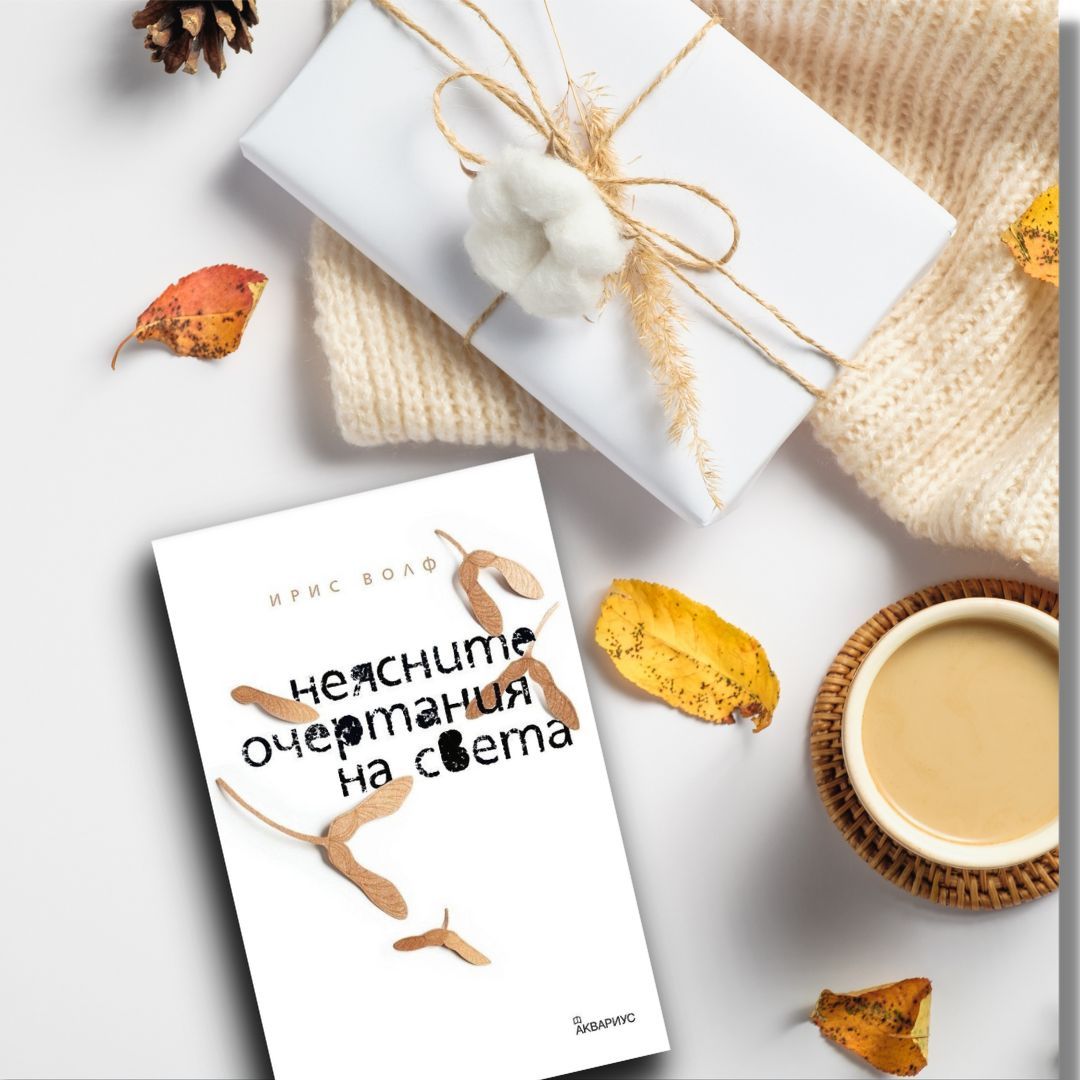
превод от немски Виолета Вичева, изд. „Аквариус“, 2022
Има книги, за които сякаш не може да бъде казано нищо и които тъкмо поради това трябва да бъдат прочетени. Макар да не обичам разтегливото определение „тих роман“, „Неясните очертания на света“ е тъкмо такова четиво. Качество, което дели с други подобни книги в чудесното портфолио на издателството (като например „Цял един живот“ на Роберт Зееталер, „Лято в Бурландия“ на Момчил Миланов или „Т. Сингер“ на Даг Сулста, които също препоръчваме – може да прочетете за тях и в „Литературни разговори“).
Този тип текстове разказват цял един живот (а тук всъщност няколко) и цели исторически периоди, само че не по епичен, исторически утежнен, документален начин, а по интимен, задушевен, косвен. Макар предвидимо да бива описван като семейна сага за живота в комунистическа Източна Европа и за последвалата емиграция на Запад, романът на родената в Румъния и емигрирала в Германия като дете Ирис Волф е повече екзистенциален, отколкото исторически, по-скоро камерен, отколкото мащабен.
Да, големите събития и личности, своеобразните жалони на времето са споменати (управлението на крал Михай I, дейността на тайните служби, падането на Берлинската стена, убийството на Чаушеску и съпругата му), но те не са обект на разказа, а негов дискретно щрихиран фон. На много малко места Волф допуска грешката да бъде обяснително-дидактична или сантиментална (все пак пише предимно за чужда на събитията публика), но навсякъде другаде тя не само не преекспонира социално-политическата среда, а я удържа за сметка на крайно личните истории, белязани от базовите житейски, почти ритуални по същността си преживявания: раждането, смъртта, влюбването, жертвата, загубата, приятелството, отпътуването и завръщането.
И все пак факт е, че сюжетът обхваща много десетилетия и няколко поколения, както и два основни топоса – румънската област Банат и Западна Германия. Ирис Волф започва разказа си от 70-те години в банатската провинция, за да се върне във времето преди установяването на комунистическия режим, а след това обратно към годините малко преди и след краха му, та чак до наши дни.
Банат – област, която се поделя между няколко съседни страни – е герой сама по себе си със своята природа, особености и етнически, религиозно и езиково пъстро население: румънци, шваби, унгарци, словаци. И макар само част от действието да се развива там, то за Волф именно
на това място се определяше какво е щастие, какво е свобода.
Романът е съставен от седем глави, като всяка предоставя гледната точка в трето лице на герой, който по някакъв начин е свързан със семейството на Самуел – част от германското протестантско малцинство там. Тук са бабата Карлине, съвременница на крал Михай I и убедена монархистка, запазила завинаги обноските си и вкуса към изяществото на някогашното време; синът ѝ Ханес, пастор, в чиято честност и човечност Секуритате ще забие клин; съпругата му Флорентине – най-независимата и неуловима героиня в романа, която отстоява своето място в периферията на общността; техният син Самуел, крайно мълчалив и саможив младеж, но затова пък превърнал се в магнит за мнозина благодарение на способността си да слуша другия; любимата му Стана, която охранява своята крехка чувствителност под задушливата сянка на строгия си и агресивен баща – функционер на режима, упражняващ психическо насилие над семейството и съселяните си; Оз, приятелят на Самуел, заедно с когото ще извършат крайъгълна дързост; Бене – един от гей студентите от ГДР, които пасторът приютява в къщата си, преди години по-късно той да се върне в съвсем друго амплоа; дъщерята на Самуел – Ливия, която в наши дни ще спои нишките на миналото и вероятно ще зачене бъдещето, преди и то на свой ред да се превърне в история. Защото:
Казват, че животът продължава, а никой не забелязва колко заплашително звучат тези думи. Животът продължава, с него и смъртта…
Разказът на Волф току се разсейва към други, второстепенни герои, някъде като че ли излишно много и с незаслужени подробности. Те нямат принос за централния сюжет, но все пак създават плътността в картината на живота и на двете места. Именно благодарение на споменатите времеви линии и на множеството перспективи в разказа, Волф успява да постигне илюзията за мащабност в иначе едва 250-те страници на романа – твърде малко за типичната семейна сага.
В привидно хлабаво свързаните глави тя избира да разказва през сцени, които сами за себе си като че ли нямат ясно отношение към класическото придвижване на сюжета. Те са повече статични, пейзажни, отколкото действени, тип „а после какво ще стане“, и фиксират преди всичко моментни състояния, навици, усещания, мисли, съзерцания, сетивни или природни картини, размяна на жестове и битови сцени от един провинциален живот.
Макар първата половина на книгата да е чувствително по-стегната и силна, а към края Волф като че ли леко да поизпуска нишките на тази плътна концентрация, разказът е доказателство, че животът е направен именно от подробностите, от неуловимото, от неясните очертания. За тях може да се каже онова, което героят Ханес мисли:
Да се приютиш в книга, да вкараш решаващ гол, слънцето да ти отреди място в градината – това е времето на мига, времето, което Ханес търсеше, което обичаше повече от онова, редящо часове, дни, седмици, сякаш трябва да води нанякъде.
Да, времето в романа е важно. В началото на втора глава Волф пише:
Има време, което препуска напред, и време, което се връща назад. Време, което се върти в кръг, и време, което не се движи, не е нищо повече от един-единствен миг.
Текстът играе с това усещане, концентрирайки се дълго върху конкретни моменти, прелетни, ефирни и точно поради това съвършени в някаква капсулирана вечност. В същото време той редува циклите на загубата/края и новото начало. На практика разказът започва с възможния край (на още неродения Самуел), за да се заключи в евентуалното начало (на поредната двойка, от която може да се роди следващото дете).
Един от централните повтарящи се мотиви, донякъде предвидимо, но фино и красиво използван от Волф, е именно образът на вятъра, както и на носещите се по него птици в банатската пустош. Ханес съзнава, че няма как „да се защити от вятъра“, че „във всеки вятър се крие дявол“, както казват румънците. Защото, да, от една страна, той е суровата стихия, която пръска и разгонва, която отнася половината семейство далеч от дома. Но все пак той е символ и на онова, което преминава всякакви граници, което е над ограниченията, наложени на хората, и в крайна сметка винаги ще свързва сърдечно, емоционално и кръвно членовете на фамилията.
Езикът е другият мотив. Тишината и самодостатъчността на Флорентине, нейното подозрение към думите и неяснотата на казаното, което никога „не се доближаваше до действителния опит“, водят до преимущество на мисълта, както и до факта, че нейният Самуел проговаря късно и остава мълчаливец. Именно тази икономия на езика обаче ги прави толерантни, емпатични, чуващи, чисти в един режим на охранявано премълчаване и подслушване. Дава им независимост. По ирония, но и съвсем логично, именно Флорентине, за която Ханес казва
Думите излизаха от устата ѝ случайно, произволно, сякаш живеят собствен живот – рядко постигаше съответствие между онова, което казва и което мисли, нещо естествено за останалите хора
ще заяви най-точните и верни слова, които никой друг няма да посмее да си позволи и които ще предизвикат сблъсъка на семейството ѝ със Секуритате. Принуден да пише протоколни обяснения (доноси), колкото и безобидни и отклоняващи вниманието да са те, Ханес пък ще се радва, че владее няколко езика, така че майчиният му да остане свободен:
Радваше се, че не се налага да използва майчиния си език. Един език му оставаше, незасегнат от забрани и идеологии, един език, на който думите значеха онова, което е казано.
Езиковите особености са равносилни и на идентичността. Културната разлика между източноевропейците и западняците Волф описва съвсем лаконично именно чрез тях – напълно достатъчно, за да можем прекрасно да си представим картината, особено ние:
Към това се прибавяше и облеклото им, плетени жилетки и забрадки, езикът им, винаги с леко отклонение от нормата. Сакото беше „жакет“, фризерът – „хладилна камера“, фурната – „пещ“. Флорентине използваше „рекох“ вместо „казах“ или „Самуел дойдоха“, което включваше тях четиримата.
От друга страна, специално внимание изисква самият език на Ирис Волф като автор – една мечтателно-носталгична, ритмична сплав с лекотата на водна боя.
Език ефирен, флуиден, безплътен като вятъра, който не върви по следите на голото сюжетно действие, а скицира „неясните очертания на света“.
Те остават да трептят в съзнанието много след разсейването им, така както трептят жиците след отлитането на вдигнатите от вятъра птици.
По същия икономичен и лаконичен начин, както вече споменах, Волф контурира чрез езика и историко-политическото време. При това тя не драматизира. Дори най-крайъгълните действия са разказани без никаква излишна интензивност, без съспенс, без препятствия – тихо. Вместо да обяснява или да разиграва десетки сцени, тя предава същността на комунизма единствено чрез бягащия от него Оз, чието усещане е, че го преследва огромен зелен дракон. Кратка и ясна метафора.
Разтърсващата трансформация на живота в родината след налагането на режима пък е достатъчно експресивно обрисувана само с краткото изречение за
майка му Карлине, чийто живот беше започнал в крайморска вила и приключил на конвейера във фабрика за копчета.
Сънят на Ханес разкрива ясно състоянието на човека под сянката на тоталитаризма – в този свой кошмар героят
въпреки всички усилия на тялото и волята е невъзможно да помръдне или да каже нещо.
Пак така фино е маркирано и съществуването на гей двойки или на многобройните опити за аборти в страната, която уж ги забранява. А най-лаконичното определение за това, че дълго след промените от началото на 90-те, в Източна Европа всичко дълго ще тегне към миналото, е впечатлението на Самуел, когато се връща за първи път, щом това става възможно:
Всичко изглеждаше както винаги. И не беше както винаги.
Самата Ирис Волф, родена през 1977 г., е част от поколението, което дегустира достатъчно от комунизма, за да запомни вкуса му, и в същото време преживява достатъчно рано краха му, за да има време да живее – с много усилия – извън клопката му. Може би затова малко или много се усеща тежнението и симпатията ѝ към героя, който е неин връстник – Самуел. Независимо от времето обаче, „Неясните очертания на света“ в крайна сметка са разказ отвъд него – за силата на връзките, за приятелството, заради което си готов на всичко, за любовта, към която се връщаш. В този разказ вътрешните трептения на човека и свободният вятър на мислите са по-важни от макрокартината, в която той се движи.
Активните дарители на „Тоест“ получават постоянна отстъпка в размер на 20% от коричната цена на всички заглавия от каталога на издателство „Аквариус“, както и на няколко други български издателства в рамките на партньорската програма Читателски клуб „Тоест“. За повече информация прочетете на toest.bg/club.
Никой от нас не чете единствено най-новите книги. Тогава защо само за тях се пише? „На второ четене“ е рубрика, в която отваряме списъците с книги, публикувани преди поне година, четем ги и препоръчваме любимите си от тях. Рубриката е част от партньорската програма Читателски клуб „Тоест“. Изборът на заглавия обаче е единствено на авторите – Стефан Иванов и Антония Апостолова, които биха ви препоръчали тези книги и ако имаше как веднъж на две седмици да се разходите с тях в книжарницата.
Георги Гаврилов е роден на 15 юни 1991 г. в София. Следва специалност „Физика“ в СУ „Св. Климент Охридски“, а след това и магистратура „Физика на ядрото и елементарните частици“. Автор е на четири стихосбирки и множество публикации в електронното списание за литература „Кръстопът“, „Литературен вестник“, списанията „Море“,„Страница“, „Жената днес“, „Ах, Мария“, „Лик“ и др. Съставител е на сборника „Поезия срещу войната“ (Scribens, 2022), включващ в благотворителна инициатива текстове на 101 автори от България и чужбина в помощ на бежанците от Украйна. Стихове на Георги Гаврилов са преведени на турски, арабски, бенгалски, испански, френски, немски, английски и др. Георги е един от основателите на „Хралупата – пространство за литература и култура“ в София и част от издателство Scribens.
Докато вече привършвахме това интервю, настъпи израелският 9/11. На фона на апокалиптичната (в известен смисъл) поезия в най-новата ти книга как би коментирал последните събития от света?
Като нов стар очакван абсурд. Естествено, че нападението на „Хамас“ е военно престъпление, естествено, че е терористичен акт, естествено, че и за тях, и за всички е ясно, че действия от този род не са и няма как да бъдат от полза за някакъв положителен край на Палестинския въпрос. Напротив, ситуацията е доведена до състояние: едните трябва да изчезнат – като хора, като нация, като население. Не смятам, че каквото и да е от това може да бъде наречено свещено, оправдано и за доброто на света или на част от него. Последствията, както и причиняващият ги акт са във вреда на мира, човешкото и съхраняването на малкото останало от изчерпаемите ни психически сили. Още повече, не виждам никакво припокриване на идеалите на тези крайни религиозни фракции с мисленето на глобалния и конструктивен човек. Пътят към разрешаване на проблемите между Израел и Палестина може да е труден, но със сигурност не е този.
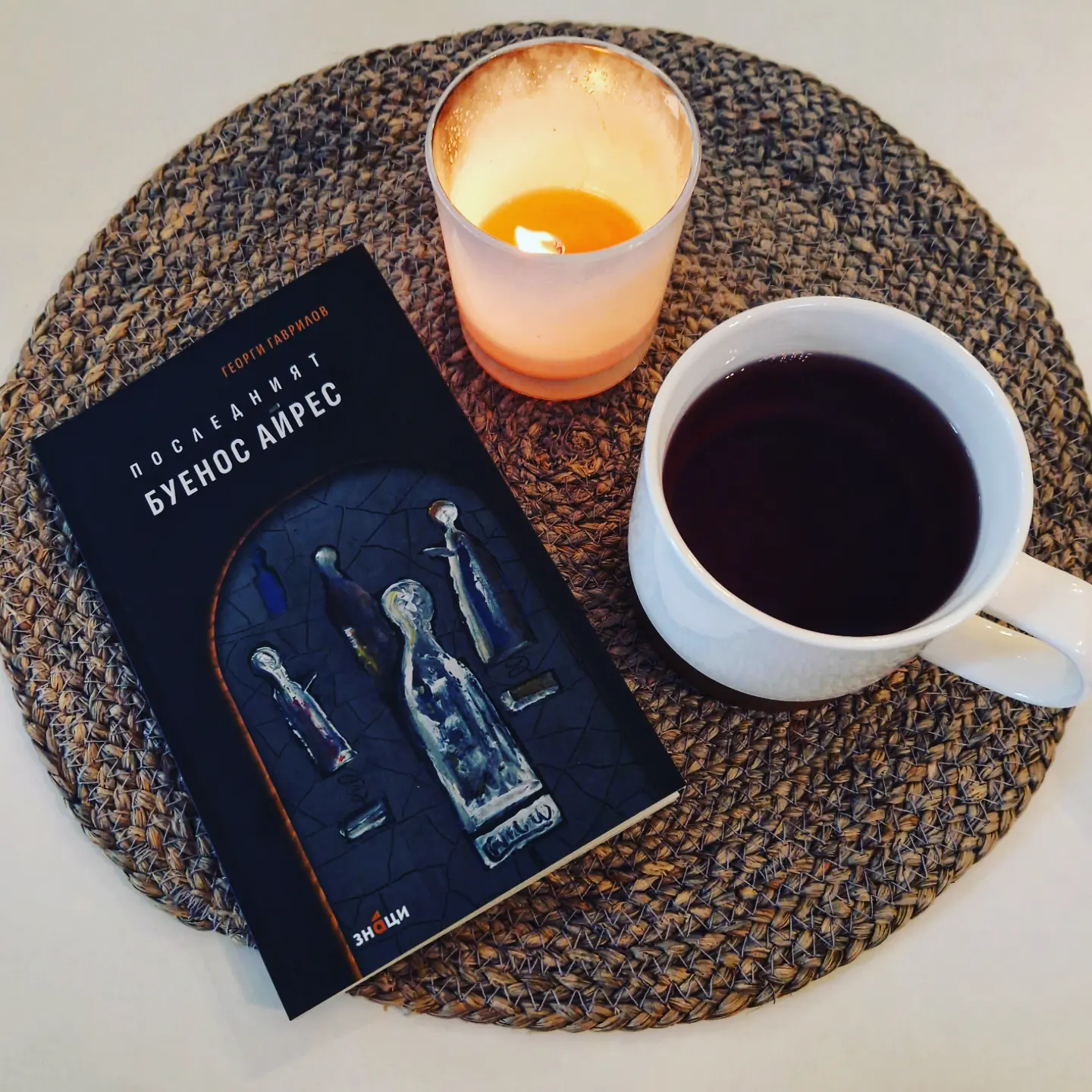
Да се върнем обаче на повода за този разговор – новата ти книга „Последният Буенос Айрес“ (изд. „Знаци“, 2023), която е своеобразен поетичен „Произход на видовете“, библейска и еволюционна история. Усещането обаче е, че се връщаме назад по стъпките на Сътворението, към апокалипсиса на първичния мрак, към последните мигове преди изригването на Помпей. Това ли се случва и как всъщност си представяш този апокалипсис?
Както и повечето неща, за които говорим през идеята за „събитие“, апокалипсисът не е събитие, а процес. Изучаваме историята чрез дати, часове и моменти, но това е единствено защото нямаме друга възможност за обхват на случилото се.
Войната в Украйна не започна на 24 февруари 2022 г. – тогава армията на Руската федерация навлезе в територията на Украйна; войната не започна и през 2014 г., когато незаконно беше анексиран Крим – това са само последните жалони от един дълъг път към настоящето. Можем да връщаме още и още назад и сигурно никога няма да е достатъчно рано, за да кажем, че днешното не е било възможно да се случи.
Вероятно по същия начин трябва да разсъждаваме за апокалипсиса: когато той бъде медийно обявен, няма да е изненада – той отдавна ще се е развивал, ще е придобивал образ. Това е засегнато в книгата като тема. Изкривената ни представа за тези големи „събития“ ни поставя в роля на очакващи нещо, което се случва междувременно и постепенно и ние вече сме част от него, предстои да разберем какъв магнитуд ще достигне.
Заглавието и имената на циклите в книгата ни дават много конкретна топография. Защо точно Буенос Айрес?
Шеговитият ми отговор би бил: „Защото звучи добре.“ Разбира се, не това е причината да се спра точно на този град. Историята на името му е обяснена посредством циклите. Градът е основан във времена на епидемии от малария (лош въздух), когато европейците са търсили нови места, които да населят и където въздухът да е чист. Връзката на блатата и застоялите водоеми с болестта е била миризмата, не комарите.
Буенос Айрес [на испански означава „хубав въздух“ или „добри ветрове“ – б.р.] е надежда за свободно дишане, за ново начало. Подобни места стават все по-малко. Конкретиката е ползвана в чисто художествен смисъл. Заглавието е метафора за нашето търсене на глътка въздух далеч от пандемии, войни и пълно капитулиране на междучовешките отношения.
Ако светът продължава „поради своята недостатъчност“, както пишеш, то тогава в какво би се състояло осъществяването му?
За природата той е във всеки момент съвършен, даже за Вселената. Ние живеем в моментната крайна точка на времето, което прави всичко в хармония с големите закони. За човека – обратно – осъществяването на света е винаги в следващата крачка.
Човекът изобретява идеята за бъдеще, за което Вселената няма понятие. Най-горещата година в историята, най-голямото земетресение, най-унищожителната атомна бомба, най-великите сред най-великите спортисти, писатели, държавници – тази гладиаторска надпревара, дори боравеща с понякога ужасяващи понятия, съблазнява съвременника да преживее нещо, което не фигурира в учебниците. Храним се с концепцията за феномен, който да осмисли поне статистически живота ни. Понякога този глад е надълбоко, срамен, прикрит, но го има в гена на човека. Само че всеки, който брои и измерва, е обречен, защото числата нямат край.
„създаден за седем дни/и разрушен за миг“. Убеден ли си, че разрушението винаги е много по-бързо и по-скоротечно от съзиданието?
Съзиданието винаги е по-трудно, енергоемко и неустойчиво от разрухата, която, затворена в собственото си осмисляне, не може да бъде съкрушена. Съзиданието няма право на грешна стъпка, разрухата няма грешна стъпка за себе си. Това е смисълът на тези редове; дори и протичайки като процес, разрушението се нуждае от един кълн, докато светът трябва неуморно да възобновява своите милиарди отделни крехки греди. Съзиданието започва от нищото, нужни са му идеи, концепции, проби, докато разрухата винаги работи с вече готовото и нейната задача не изисква план.
Какво ще пише на надгробния камък на нашето съвремие, на собственото ти поколение?
Надявам се, че още не знаем, защото това би значело, че сме приключили с работата, с дейността си; че стореното е достатъчно, а не мисля, че е така. Напротив – точно в тези години, до които сме се довели, е необходимо да забравим за покоя на надгробния камък, а нека следващото поколение ни даде своята оценка за щетите и постиженията. Освен това, ако мислим в такава посока, мислим в посока на самоувековечаване – първия и най-страшен признак на много предишни поколения, които очевидно са грешили в преценката си. По-важно ми изглежда преди това да видим надгробния паметник на диктатурите и на него да пише „Стига толкова“.
Как се постига вечност, как всъщност я разбираш?
Още едно понятие, изобретено от нас. В езика ни има доста такива, те нямат реални примери, нямат наблюдаеми дефиниции. Вечността е родена от нас, но не е наша и ако се постига, ще се постигне в наше отсъствие, наличието ни не може да доведе до трайност. В литературен смисъл вечността има друго предназначение, понякога можем частично да я изпитаме, като мостра на парфюм, но с условието, че този парфюм не е наличен по друг начин. За един ден стига, ароматът се задържа.
А как, по думите ти, се „пресолява рана“?
Солта в раната е болка. Пресолената манджа има вкус само на сол и на нищо друго от съставките си. Опитите да изстискаме максимално много мъка от нещо водят до обезчувствяване. Човекът е приспособимо същество и бързо свиква с нови „нули“ на толеранса си към едно или друго. Пресоляването на раната е промяна в тази „нула“, което всякога води до нуждата от по-големи дози от същото за постигане на същия ефект. Наблюдавахме го по време на пандемията от коронавирус, наблюдаваме го и по време на войната в Украйна. 10, 100, 1000 смъртни случая първия път стряскат, втория път стряскат по-малко, на десетия път са просто очакваната част от новинарската емисия.
Повтаря ли се, или се пренаписва историята? И ако мислим за нея литературно – графоман плагиат ли е човечеството?
Ако всички хора имаха едновременно усещането, че са част от човечеството, нищо от това нямаше да се случва. Само че нашата „мрежа“ е по-скоро съставена от пунктири, отколкото от непрекъснати нишки. „Невидимото“ човечество за всеки един индивид се превръща в абстракция, към която не може да се присъедини. Тогава самостоятелният живот приема функцията на стотици изминали поколения, без да е възприел непреживяното по друг начин, освен като мит. Ако съществуваше пълно препредаване на действителното отминало, мрежата може би щеше да бъде много по-добре свързана. Историята се рестартира с всяко новородено. Нямаме една история, имаме осем милиарда паралелни истории.
Какво е способно да отдели човека от грешките/греховете му?
Собственият му опит, страданието и любовта, образованието и семейната култура. Нищо не може да те застрахова срещу грешки или грехове, но много излишни трагедии биха били избегнати, ако в процеса на подрастване се наблегне на подобни човекооформящи теми. Семейната, училищната и университетската среда са от първостепенно значение. В това отношение ми се струва, че тоталитарните и диктаторските страни се възползват много повече от достъпа си до младежта, докато страни, които държат на демокрацията и свободата, неглижират (може би и от страх от изпадане в пропаганда) тези аспекти.
Имаш ред стихотворения за войната и насилието, като със сигурност поводът за тях идва именно от последния мащабен военен конфликт в Украйна…
Да. Огромна част от стихотворенията са написани в първите месеци след началото ѝ, с нетипична за мен честота. Почти всяка нощ пишех ново стихотворение. Така се събраха над 200 страници във файл, които впоследствие редуцирах и от които останаха включените в книгата. „Старите“ в нея са много малко.
Начинът, по който ми повлия тази война, беше с учудващ и за мен магнитуд. Смятам, че преживяваме особени години, които ще оформят среднодалечното бъдеще на света, и наследниците на днешния ден ще се връщат към тях дълго време. Такива периоди изискват участие и по примера от Втората световна война променят хода на много неща, включително на изкуството. Колкото и ужасно да звучи, то се мобилизира и се преоткрива най-добре по време на хуманитарни кризи и нечовешки събития, от което не бива да изпитваме задоволство, а просто да си свършим работата. Най-истинската е много черна.
„обесването на владимир владимирович путин“ е най-конкретният ти текст: стъпките към края на този съвременен кървав диктатор (един от всички други, които са споменати по-дискретно). Така ли – от собствената си ръка – приключват всички диктатори? Самотата ли е техният неизбежен край?
Самотата не е само краят им, самотата ги води към този край, който е напълно заслужен, и ако не бъдат съдени от по-висша от човешката инстанция, даже се разминават леко. Вова Путин вече виси на собствената си пъпна връв, обесен и отдавна приключен. Очевидно махалото на трупа му трябва да направи още няколко кръга, преди да бъде официално заменен от следващия противник на човешкото (в случай че властта не се смени коренно) или от някой, който може да изкара Русия от блатото, в което с известно самозадоволство се вкопава.
Душата на редовия путинист носи в себе си неуспешната болка, това е особен тип полудушевно състояние, което се опитва да достигне до болезненост, но от крайния резултат не може да извлече нито поука, нито позитив, нито градивен смисъл за така или иначе обмъглената представа за каквото и да било бъдеще, по-далечно от днес.
Стихотворението „мезозой“ е реплика на тринайсета глава от „Коринтяни“. Достоевски противопоставя абстрактната любов към „човечеството“ и хората въобще на тази към конкретния един ближен, която е много по-трудна и трудоемка… Ако оставим настрана интимността, способни ли сме днес на тази любов (питам и във връзка с раздвоените ни реакции към войната в Украйна и не само)?
Способни сме на същото, на което сме били и преди тази война, и преди този век, и преди каквото е в тефтерите ни. Както интимната, така и общочовешката любов са състояния – не можеш да поддържаш в пълен интензитет нито едно от двете. Шансът на човека е в това, че рядко трябва да се проявява като човек. Истинските работни часове са много малко в рамките на един секулум.
Ако „свободата ни не е спасение“, къде тогава го виждаш?
Свободата съблазнява по много начини, без да обещава нищо, освен своята абстрактна дашност. Няма как това да бъде крайната точка в търсенето на спасение. Не и в християнския смисъл. Интересно е, че със забързването на всички процеси в света и със забързването на самия свят, много подобни въпроси започват да получават повече моментен, отколкото окончателен отговор. Някак константата се превръща в променлива и вероятно това е, което трябва да срещне нашето поколение във философски план. Фрагментизиране на смисъла. Бърза храна, бърза любов, бързо спасение. Нощувка и после отново същото.
и може би всичко вече е казано но не за последен път
Накратко, можем ли да приемем това като най-лаконичното определение за литературния двигател?
Да.
Ти самият си двигателят зад групата scribens/ARS, които издават едни от най-сериозните български гласове в поезията, докато твоите текстове излизат в друго издателство. Способен ли си да се отстраниш от самия себе си като поет, от собствената си стилистика, когато правиш подбор на новите ръкописи – или напротив, търсиш сродното, подобното?
Нямам проблем да се отстраня от собствената си поетика, за да оценя чуждата. Мисля, че „витрината“ ни го доказва и го доказва с всяка следваща публикувана книга. Аз самият имам четири книги с поезия и те са напълно различни една от друга, всеки път ми е интересно да търся нови подходи и концепции, мога да слушам бритпоп или рап, а в следващия момент – класическа музика. С поезията е същото.
3 сутринта е часът, който се споменава непрекъснато в книгата. Какво ще се случи тогава?
3 сутринта е символ на времето, когато не би трябвало нищо да се променя. Лично аз винаги съм го възприемал като момент, в който светът спи, хората спят – добри, лоши, всякакви, – просто спят, денят е свършил, новините са се изчерпали и няма нищо повече. Ето това изгубено спокойствие на 3 сутринта ми липсва от известно време насам. Вече нямаме „час на нищото“ и това е изнервящо.
Обичам да будувам в 3 сутринта, да пуша и да знам, че всички глупаци, всички изроди и нещастници хъркат в този момент, но също така и всички други обикновени и необикновени, великолепни и съвършени същества са се оттеглили за няколко часа в леглата си и няма нищо друго и никой друг, който да промени нещо, преди слънцето да поднови играта. Това обаче вече не съществува.
Периодът до 14-тата седмица от живота на ембриона е известен сред учените като „черната кутия“ на човешкото развитие. Законите и етичните норми позволяват лабораторните изследвания само в рамките на този времеви отрязък. С помощта на синтетично създадени ембриони можем да извлечем много повече информация за началните процеси на развитие, като се елиминира необходимостта от използването на истински ембриони.
Ембрионално развитие при човека
Ембрионалното развитие започва с оплождането. От уроците по биология в училище знаем, че това е процесът на обединяване на женската и мъжката гамета (половите клетки) – яйцеклетка и сперматозоид. Дали възниква естествено в репродуктивната система на жената, или с помощта на т.нар. асистирана репродукция извън човешкото тяло, резултатът е формирането на структура, наречена зигота. Когато жената е в период на овулация, се отделя една яйцеклетка във фалопиевите тръби (или повече – в случаите на двуяйчни близнаци). Оплодената яйцеклетка (зиготата) се придвижва към матката и започва да се дели до образуването на бластоцист.
Бластоцистът е съставен от две групи клетки, изграждащи вътрешната (еритробласт) и външната му част (трофобласт). Той е обграден от защитен слой по време на развитието си, наречен зона пелуцида (zona pellucida), подобна на черупка на яйце. Клетките от външната страна са разположени под това покритие и в следващите стадии образуват плацентата и обграждащите я тъкани. Клетките във вътрешността се превръщат в различните тъкани и органи на човешкото тяло.
При човека клетките на бластоциста се делят бързо в първите няколко дни от развитието преди имплантирането му в матката. След това обвивката се разрушава и освобождава бластоциста, който се придвижва през фалопиевите тръби и се имплантира в матката на десетия ден. Когато бластоцистът стигне до финалните стъпки на имплантиране, той се превръща в ембрион. Развиват се структури като уста, долна челюст, гърло. По това време започват да се формират също кръвоносната система и сърцето. Развиват се ушите, ръцете, краката, пръстите и се оформят очите. На този етап главният и гръбначният мозък вече са формирани, а храносмилателната система и сензорните органи тепърва започват да се развиват. Първите образувани кости лека-полека заместват хрущяла.
Между 10-тата и 12-тата седмица на бременността ембрионът преминава към последната фаза на развитие – фетус. Органите продължават да се развиват и растат и фетусът се превръща в бебе на осмия месец. Към края на бременността през деветия месец бебето реагира на стимули, може да движи цялото си тяло и започва да му става тясно.
Стволови клетки
Стволовите клетки са уникални заради възможността си да се превръщат в различни видове специализирани клетки. Всички органи в човешкото тяло водят началото си от ембрионалните стволови клетки (ESC). ESC са полезен инструмент за изучаването на комплексните механизми, участващи в развитието на специализирани клетки и на органни структури.
Стволовите клетки могат и да се самообновяват. Те могат да се реплицират много пъти, за разлика например от нервните или мускулните клетки. Деленето на стволовите клетки бива два вида: симетрично и асиметрично. При симетричното се получават две дъщерни стволови клетки, а при несиметричното – една стволова и една диференцирана.
Как стволови клетки остават в недиференцирано състояние, вълнува немалка част от учените, които се занимават с изследвания на ембрионалното развитие, стареенето, регенеративните процеси и др. От друга страна, стои въпросът какво предизвиква една стволова клетка да се превърне в определен специализиран вид клетка. Част от сигналите, които провокират този процес, са фактори (най-често различни видове хормони), секретирани от заобикалящите клетки, физически контакт със съседни клетки и определени молекули в микросредата.
Синтетичен модел на човешкия ембрион
По-рано тази година изследователи от научния институт „Вайцман“ публикуваха статия, описваща създаването на първия човешки синтетичен ембрион. Техният модел на ембрион е създаден от стволови клетки без участието на яйцеклетка и сперматозоид. Изкуственият ембрион се развива до 14-тата седмица и изглежда като перфектния пример по учебник. Ембрионът се намира в клетъчна култура. Част от изследването включва и провеждане на тест за бременност чрез вземане на проба от средата, в която „живее“ ембрионът. Тестът е положителен, тъй като създаденият ембрион освобождава характерните за този период хормони.
Изкуственият ембрион успява точно да имитира структурите, характерни за ранните етапи на ембрионалното развитие. За да постигнат това, учените използват определени химични стимули, с които подканват стволовите клетки да се превърнат в точно определен вид диференцирани клетки: епибласт (който накрая се превръща във фетус), трофобласт (който образува плацентата), хипобласт (който образува хориона) и екстраембрионален мезодерм. Избрани са 120 от тези клетки в определено съотношение и са събрани в едно. Само малка част от тази смес започва самостоятелно да се подрежда, диференцира и разраства, докато накрая не заприличва на копие (ненапълно съвършено) на истински човешки ембрион.
Учените от екипа описват феномена като „изключително фина архитектура“. Но за какво ни е всъщност да имитираме природата? Надеждата на учените е, че този тип модели ще позволят да се изяснят конкретните механизми, чрез които се формират органите в човешкото тяло, а също така да се подобрят инвитро процедурите за оплождане. Друго приложение е тестването на лекарства, за да се провери дали приемането им е безопасно по време на бременност.
Въпреки това ембрионалните модели технически и законово не са истински ембриони и не подлежат на същите закони. Тук стои въпросът дали е редно да се правят опити за създаване на технология, с която изкуственият ембрион да може да расте и след 14-тата седмица, с цел да научим повече за началните стадии на човешкото развитие. Учените тепърва разработват нови правила за работа със синтетични ембриони. Тези модели биха позволили да се изяснят причините за често срещаните загуби на бременността в най-ранния етап на развитието на ембриона, както и за епигенетични, генетични и хромозомни болести.
Заглавно изображение: Човешки ембриони в ранен стадий на развитие. Източник: Flickr.com
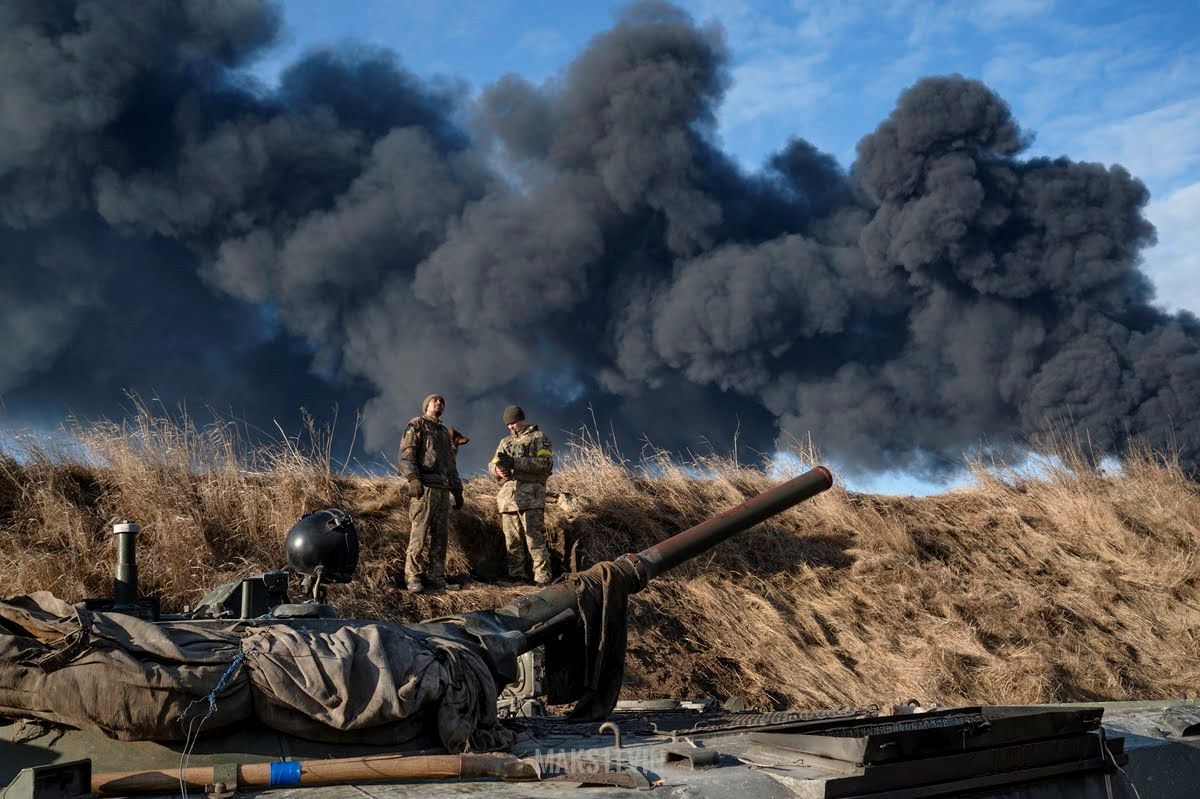
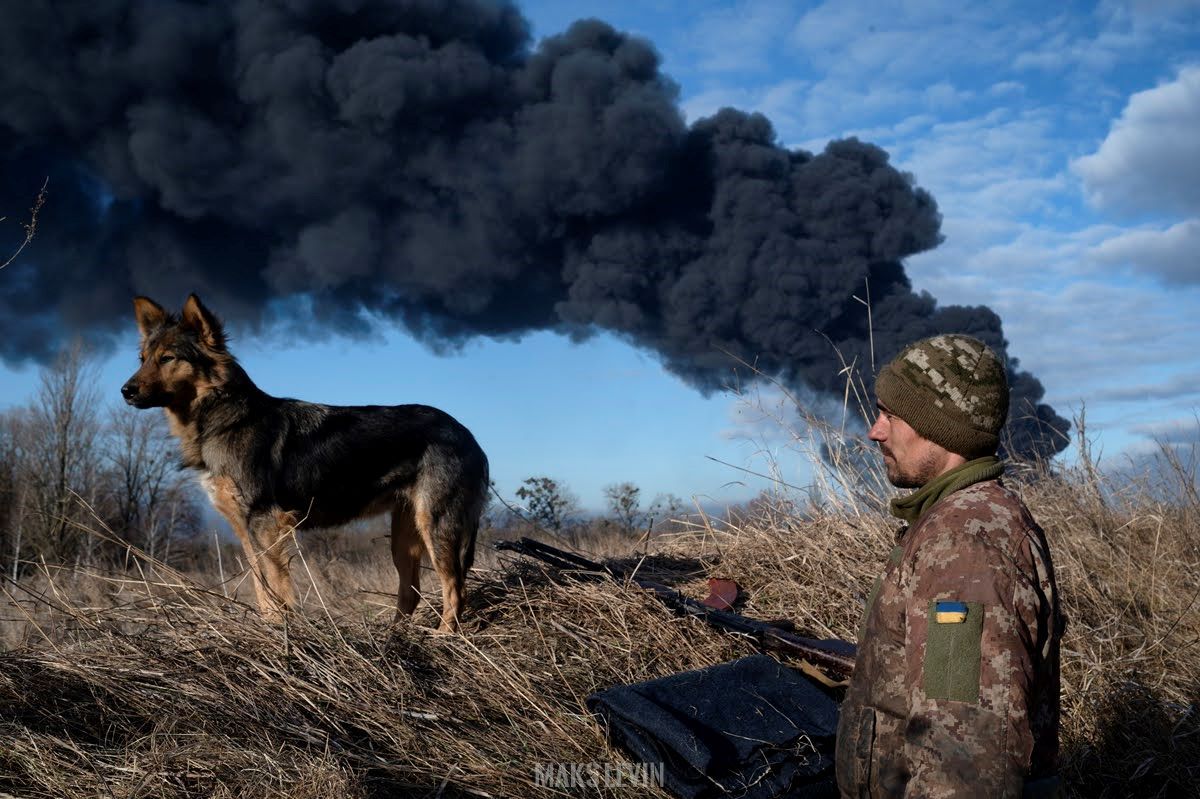
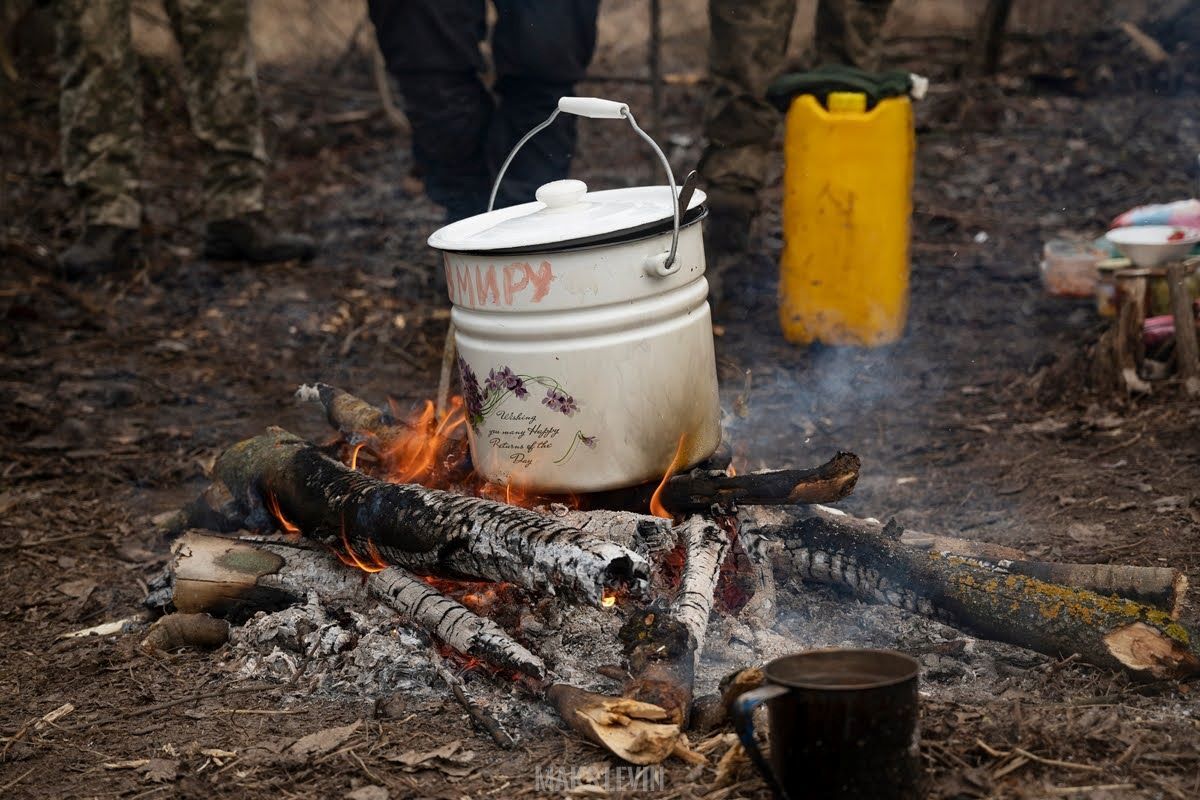
Някъде на фронта в Украйна, лятото на 2023 година:
Това, което ми давате, е много опасно. Може да избухне всеки момент. Кой е направил тези бомби?… Внукът ви?…
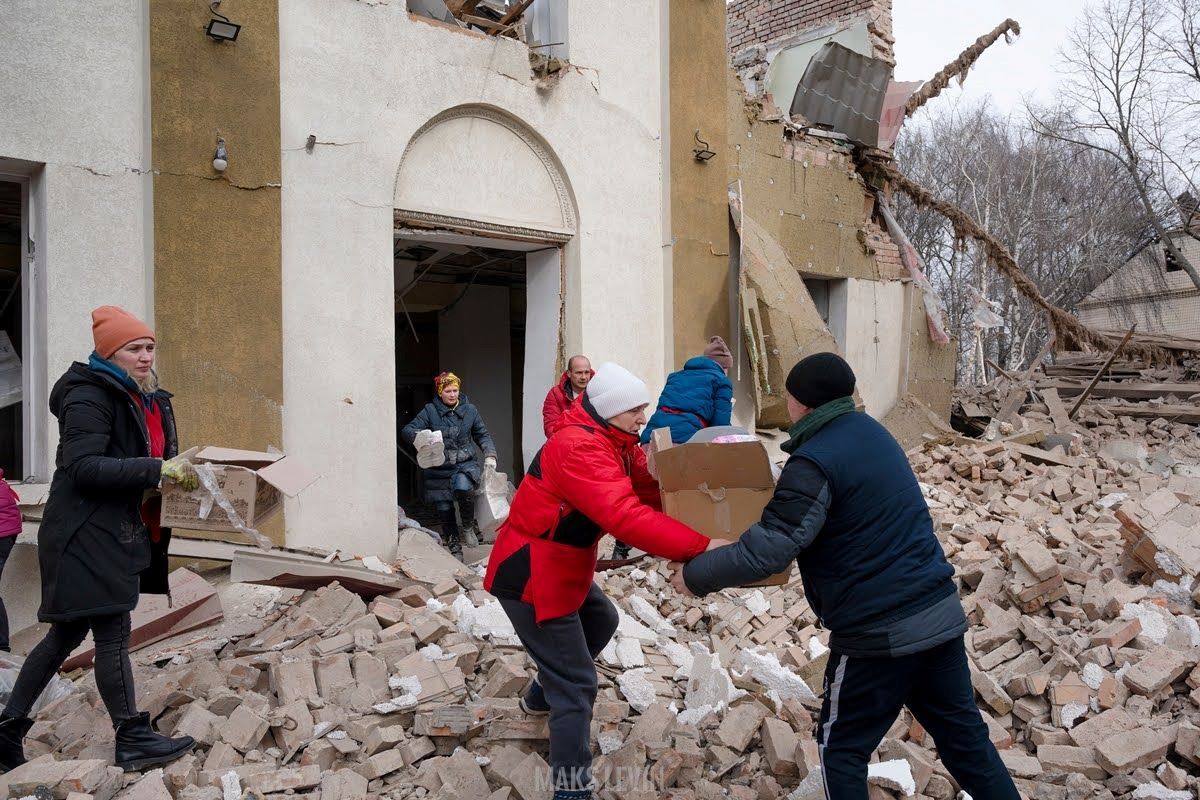
Юлия е на седемдесет години, председател на Фондация „Молфар“, която снабдява полевите болници на фронта с медикаменти и превързочни материали. Синът ѝ и племенникът ѝ се сражават във войната на Русия с Украйна. Внукът ѝ е на пет години. Когато Юлия тръгнала за пореден път към Бахмут, момченцето ѝ връчило стари гилзи и ѝ казало, че това са бомби, които ще помогнат на баща му да се върне у дома. Юлия не повярвала, че наистина вози в пикапа си бомби. Дала ги на един от офицерите на бойното поле като символичен подарък. Оказало се, че бомбите са истински. Юлия е ужасена:
Как е възможно дете да прави бомба? Никой не го е учил. Вкъщи не говорим за войната пред него, защото той се разстройва. Чака татко си. Братовчедка му крои планове да убие Путин. С какво се занимават тези недонацелувани от бащите си деца?
Доброволците и неправителствените организации в Украйна, които помагат във войната с Русия, са безчет. Всеки е поел някаква част: хуманитарна и психологическа помощ, лекарства, военно оборудване, дрехи, оръжия, автомобили.
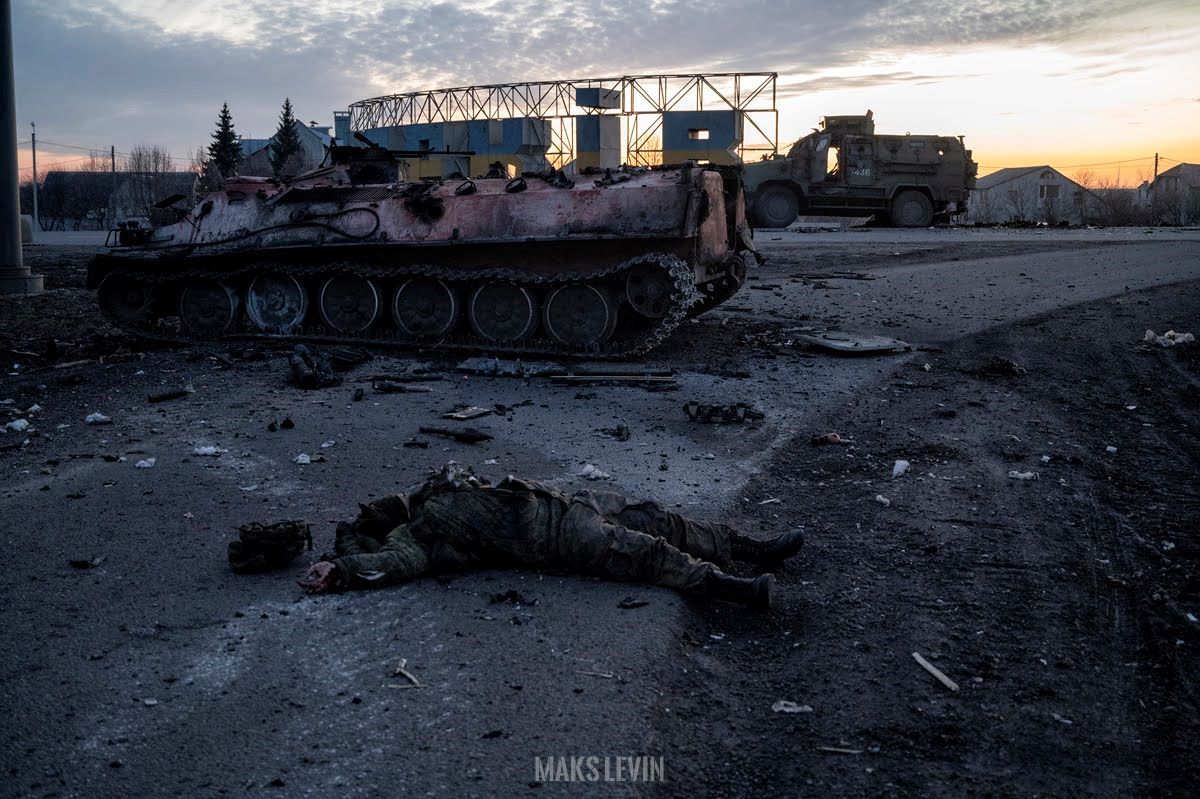
Аз ходя до местата с най-активни бойни действия – Бахмут, Лисичанск, Запорожие. Помагам на лекари, фелдшери и шофьори на линейки да изнасят телата на ранените от самото бойно поле. Има случаи, в които лекари припадат от гледката на разкъсани тела. Всеки път колата, с която ходя там, е изцапана с кръв. Последния път намерих обувка, която явно не трябва вече никому. Докато евакуираме наши ранени, руснаците стрелят и по нас, за да ги доубият. Там сега е месомелачка.
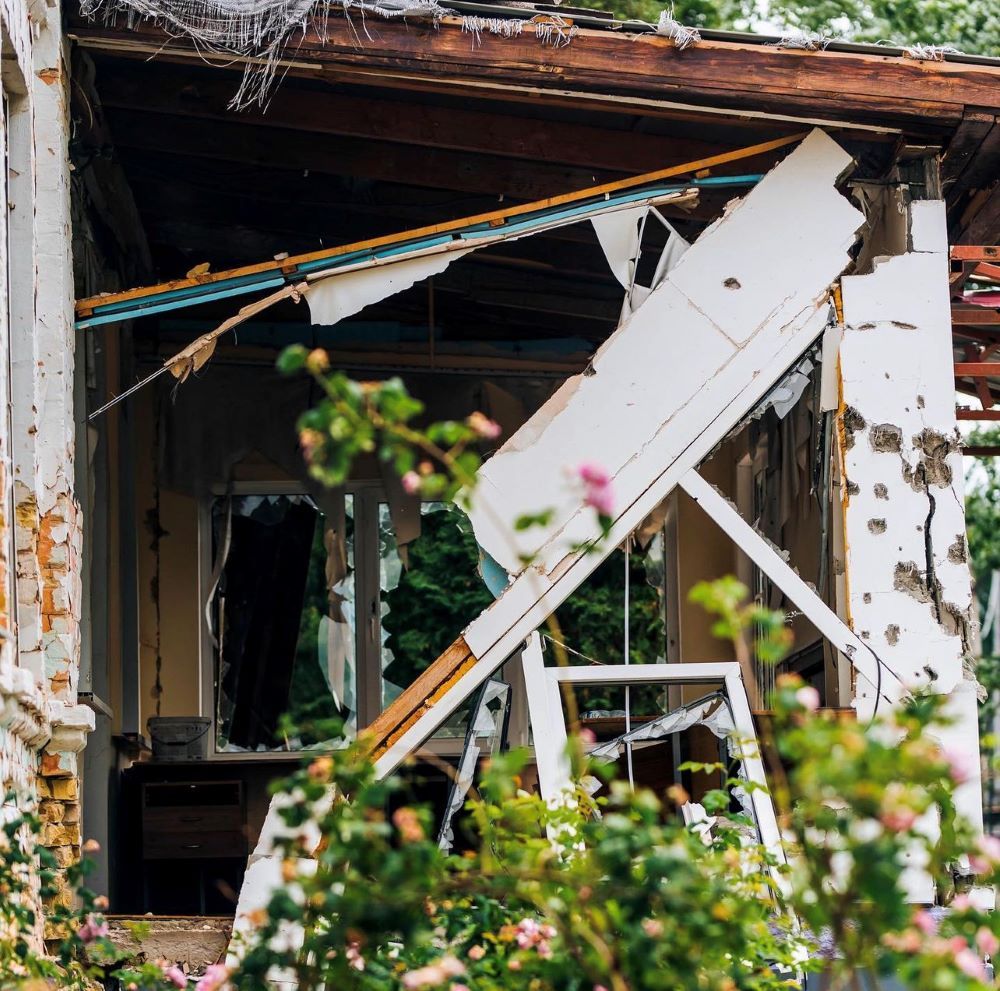
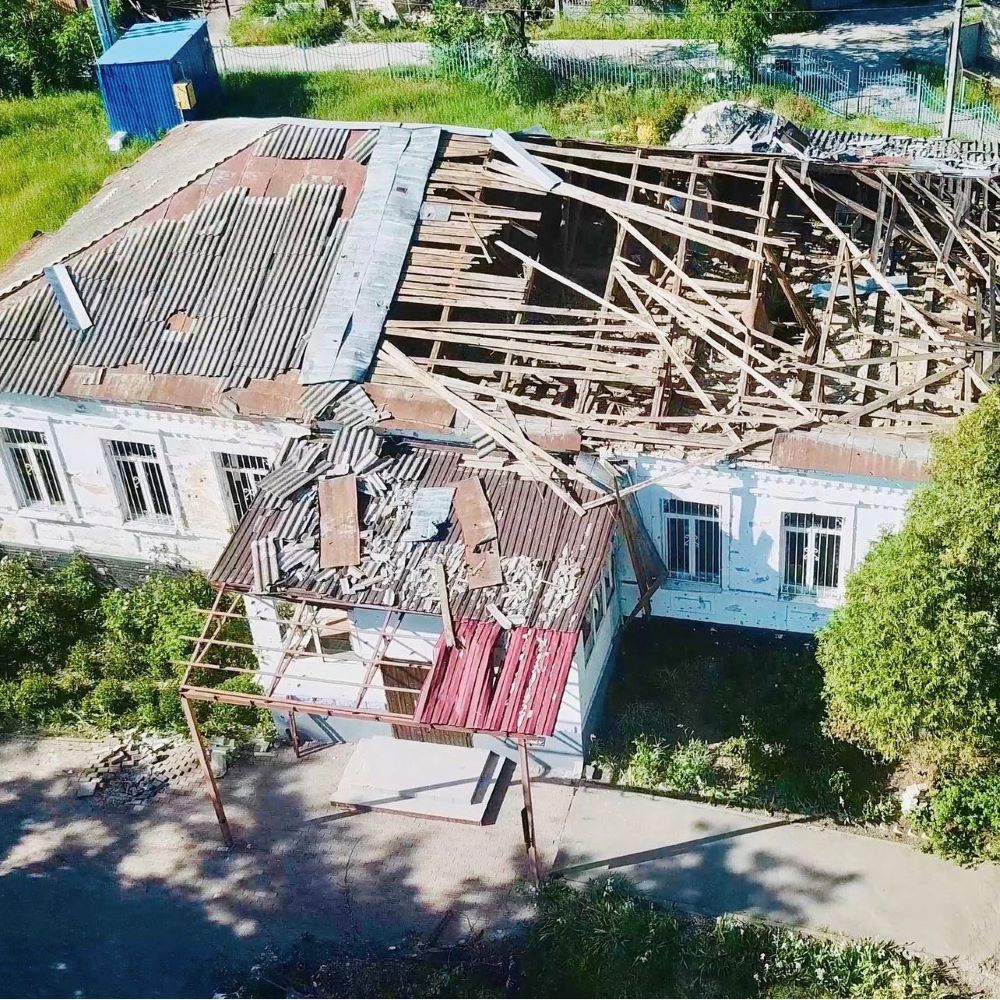
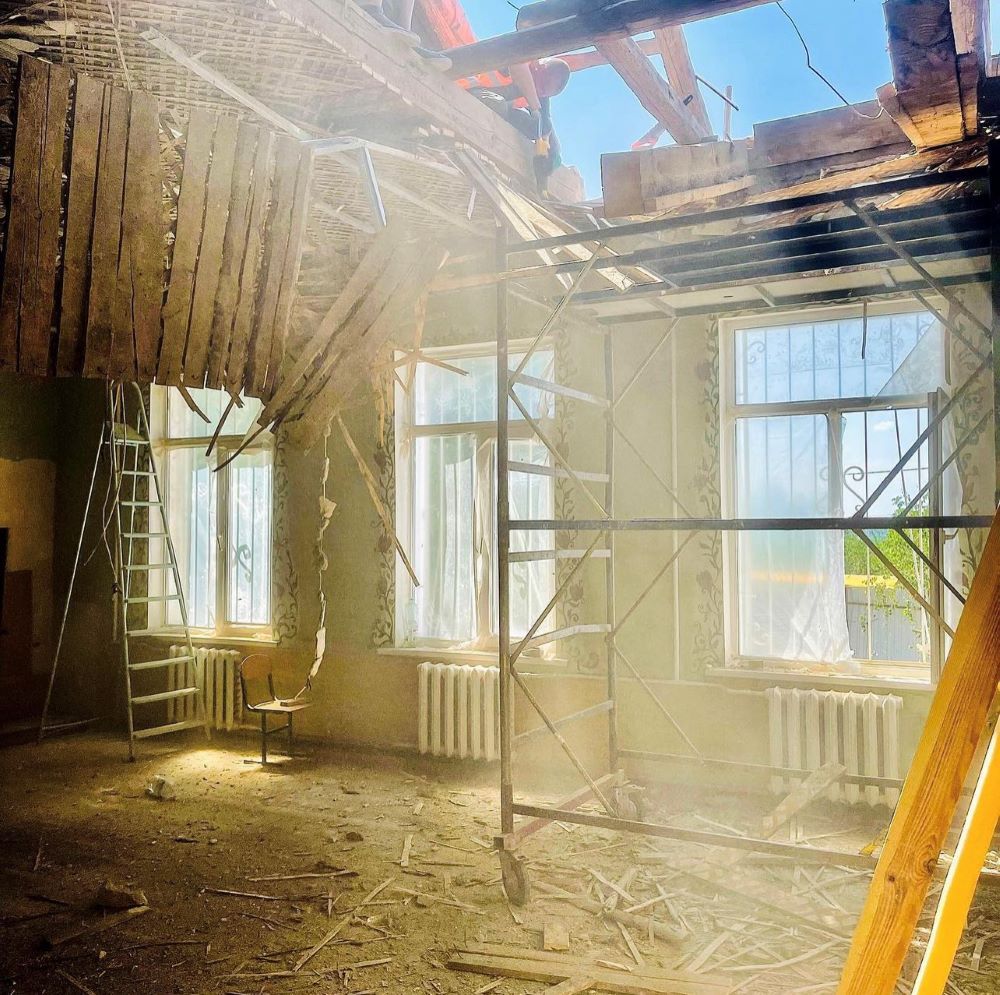
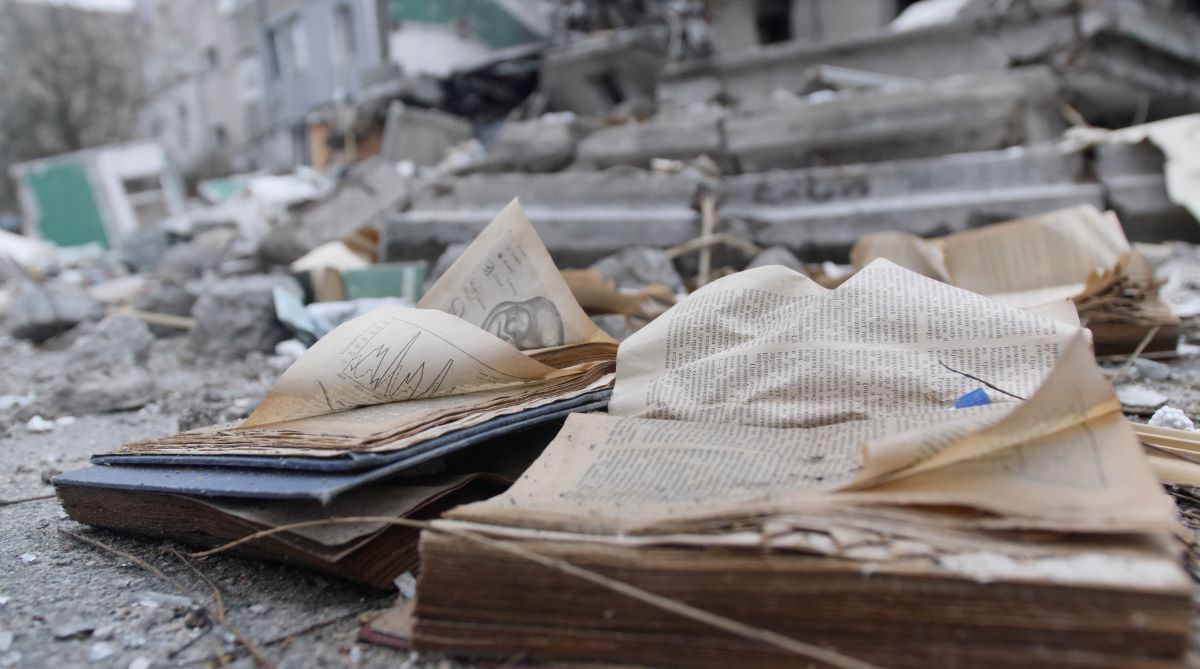
Помощта на доброволците не е само за фронта. В началото на войната при руската окупация в Киевска област училището в Гостомел е напълно разрушено от снаряди. Казват му „малкото училище“, защото в него учат само деца до четвърти клас. То е построено в началото на миналия век. Било е разрушавано през всички войни, които са се водили на територията на Украйна през миналия век, и е оцеляло. Оцелява и в тази, защото група доброволци от Фондация „Гуртум“ го ремонтират.
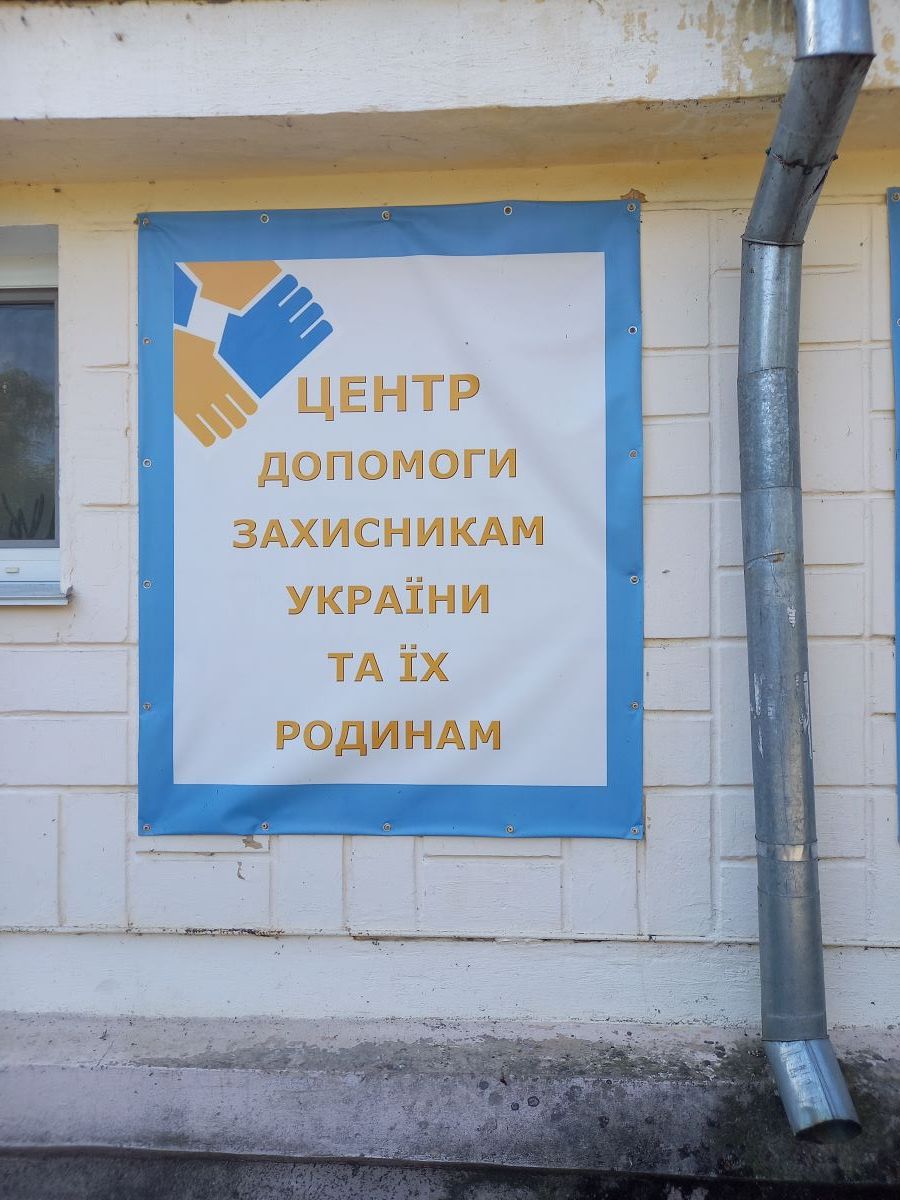
В Украйна е гласуван закон, според който учебната година не може да започне присъствено, без в училището да има бомбоубежище. Това лято „Гуртум“ слага началото на проект. Строят бомбоубежища за деца. Петко Петков е българин, компютърен инженер, който от началото на войната живее в Киев. Срещаме се насред украинската столица. Той е от създателите на „Гуртум“.
На украински „Гуртум“ означава „заедно“, като изписването е с „о“, но ние го изписваме с „у“, за да е уникално и думичката „ум“, която на украински е като нашата, да присъства в името на фондацията.
До момента „Гуртум“ работи по дванайсет проекта като този в Гостомел.
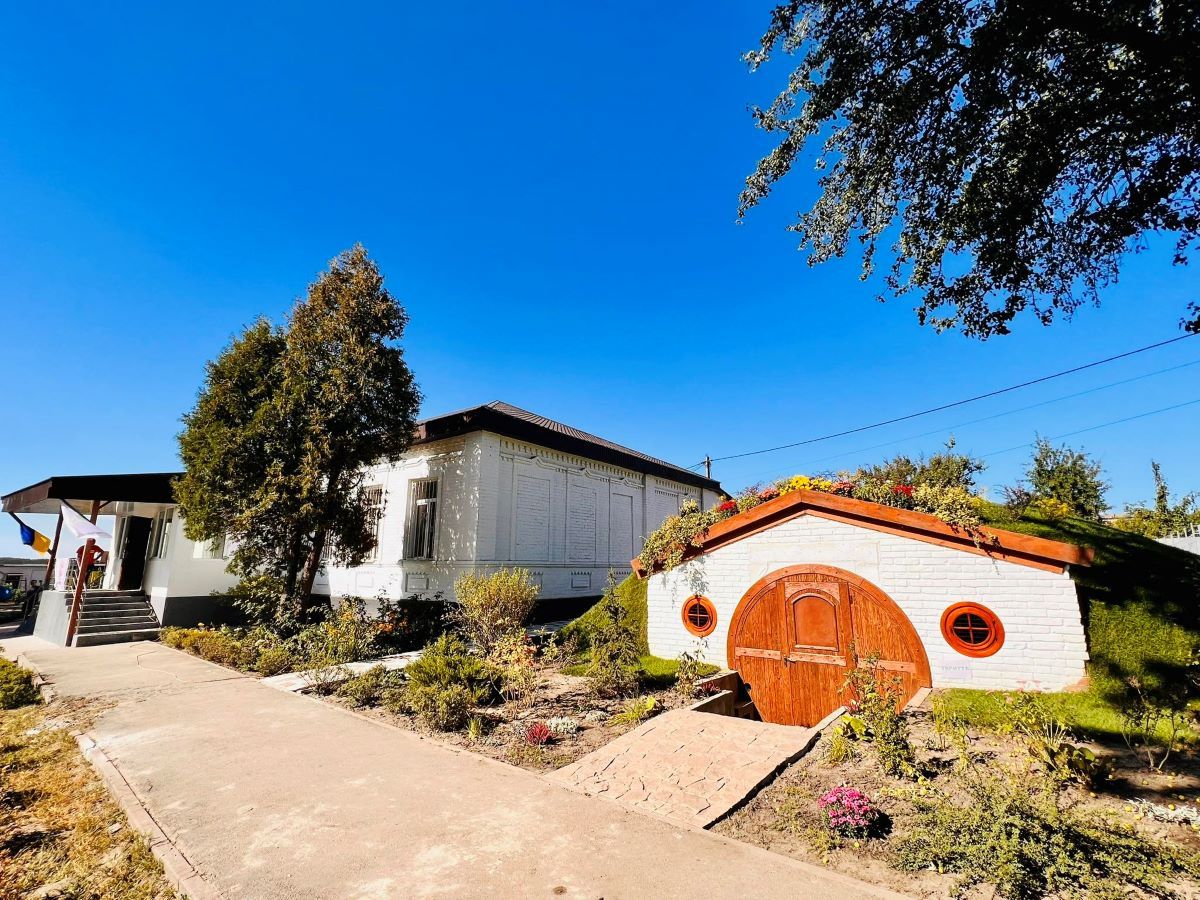
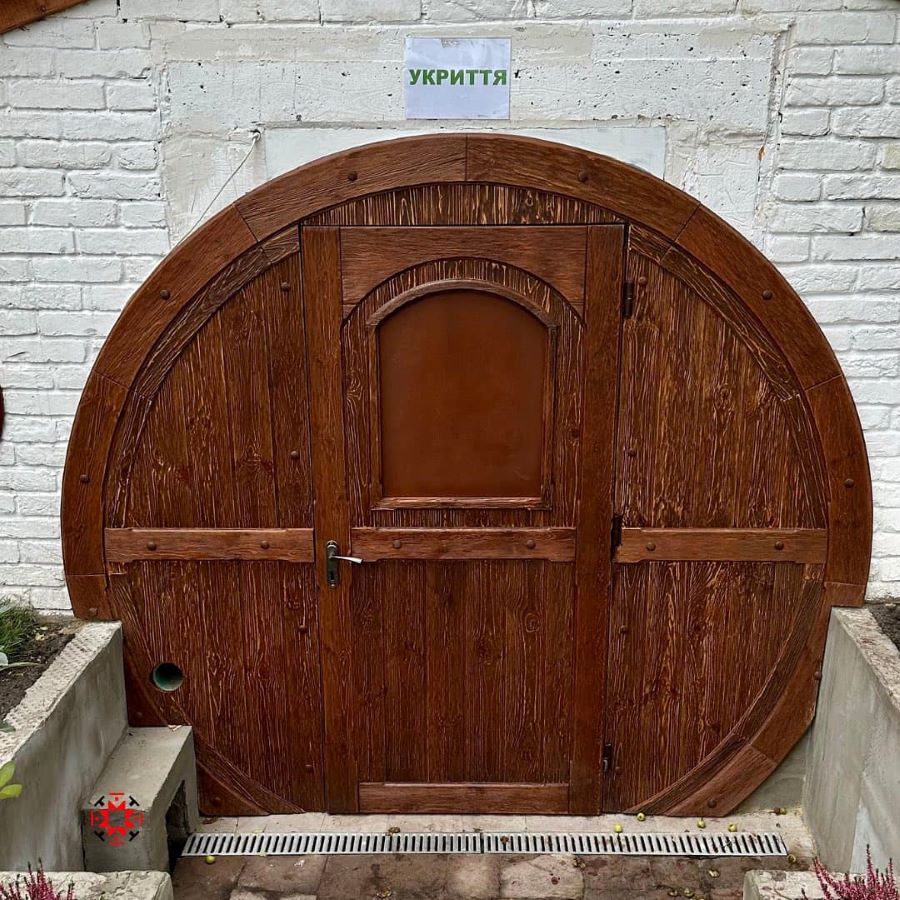
В двора на училището направихме от железобетон конструкция, която отговаря на всички изисквания за бомбоубежище. Саша (един от основателите на фондацията) и приятелката му са архитекти. Изработиха план бомбоубежището да прилича на хобитска къщичка с типичните кръгли прозорчета, покрив, покрит с трева, цветенца и храстчета. Това е опит децата да влязат вътре без страх, защото са гледали филма. В бомбоубежището има всички удобства за учене. За мен образованието и училищата са най-важни за едно общество. Затова инвестирам в този тип дейност – да помогна децата да ходят на училище, а родителите им на работа дори и по време на война. Разбира се, стресираща е самата идея да се правят бомбоубежища за деца, но това е реалността в Украйна днес.
Мисля си как бих се чувствала аз, ако всеки ден изпращам детето си на училище с тревогата и ужаса, че някой нарочно би насочил ракета, за да разруши хобитската къщичка, в която моето дете учи. Спомням си как Алла ми разказваше, че най-големият ѝ страх е дъщеря ѝ да е на училище и върху него да падне ракета. Сега Алена е на училище. Въздушни тревоги има всеки ден и тя тича в своето бомбоубежище, което не прилича на хобитска къщичка, а е бункер под земята, в който има осветление, чинове и въздух – неясно за колко часа напред.
Убиването на деца и мирно цивилно население е военно престъпление,
Екипът разследва военните престъпления на руската армия от началото на войната в Украйна. Хората на Сергий работят на терен в цяла Киевска област, както и във всички освободени от окупация украински територии.
Мисля, че е ужасно да се говори за това, но няма престъпление, което руснаците да не извършиха в Украйна в тази война. Искам да кажа категорично, че техните престъпления по никакъв начин не са предизвикани. Опитваме се да разберем каква е целта им, за да извършват всички зверства тук, в Украйна. Колкото и жестоко да звучи, разбираме защо взривиха Каховската електроцентрала и предизвикаха катастрофа, равна на ядрен взрив. Но тук поне можем да намерим някакво обяснение, защото се опитваха да спрат настъплението ни към Херсонска област.
Сергий въздъхва. Замълчава. За пореден път през тези петнайсет дни в Украйна някой внимателно ме изучава – дали вярвам и разбирам дълбочината на изреченото. Сергий приковава поглед върху мен и продължава:
Не мога да намеря обяснение за нещата, които с колегите ми видяхме в освободените от нашата армия територии. В тези зверства няма абсолютно никаква логика освен физическото унищожаване на украинци. Явно в руското общество е протекъл процес на абсолютно обезчовечаване на украинците като нация.
Това, което видяхме в Киевска област, в Буча, Ирпин, Харков, Херсон, беше страшно, но руснаците бързо се научиха да прикриват своите военни престъпления. Правят масови гробове, давят или изгарят хората, за да не оставят следи. С тях има мобилни крематориуми, в които изгарят и свои, и чужди. Така замитат следите си. Все още не сме разкрили по-голямата част от техните престъпления.
Най потресаващ за нас беше контактът ни с жените, майките, сестрите на руските войници, които бяха в Буча, Ирпин и градовете с нечовешки зверства и издевателства над украински деца, жени, бебета, бременни жени, животни… Ужасяващи неща им бяха сторили. Изпратихме съобщения на майките, жените и сестрите на тези руски войници, които бяха в Украйна. Показвахме им какво са правили мъжете им, братята и синовете им тук. И те знаете ли какво ни отговориха? Няма да цитирам ругатните, но отговорът им беше: „Да, нека убиват украинци, нека убиват деца, това са украински потомци, които не трябва да израстват и живеят. Да, нека изнасилват, да се гаврят и убиват украинските жени, за да не могат да раждат украинци.“ Представяте ли си, майките на тези руски войници, възрастни жени да говорят така. Съпругите им да говорят така. Явно руското общество е болно и процесът на дехуманизация там е напълно завършен.
Питам Сергий за тезата с „двете гледни точки“.
Ако търсим истината, разбира се, че ще се ръководим от основните журналистически стандарти за плурализъм. В условията на война обаче ние нямаме съмнение кой е жертва и кой е агресор. Трябва ясно и честно да кажем, че има позиция на страна, която се бори за своята свобода, територия и независимост, и има позиция на страната, която атакува. Ако искаме да чуем позицията на агресора, това трябва да бъде наричано от медиите така: „Сега ще чуете позицията на агресора“, а не „Ето я и другата гледна точка“. Това е характерен прийом за манипулация, потребителят получава истината, но и лъжата, маскирана като някаква гледна точка. Тогава хората започват да си мислят, че истината вероятно е някъде по средата. За съжаление, се оказва, че истината в разбирането на средностатистическия гражданин се обърна на страната на Русия заради манипулациите ѝ.
Говорим със Сергий как би могло да бъде спряно отвличането на украински деца. За първи път от началото на срещата ни ми изглежда отчаян.
Не можем да ги спрем да отвличат децата ни. Трябва първо да разберем, че Путин е военнопрестъпник. Той не може да отиде на срещата на БРИКС в Южна Африка, защото го издирват именно за военни престъпления, като отвличането на деца. Хората в окупираните територии са заложници и нямат голям избор. Ако руснаците искат да вземат детето, ще го вземат. Арестуват родителите, хвърлят ги в затвора и всички следи са заметени. За съжаление, ние нищо не можем да направим в окупираните територии.
Когато Русия нахлува в Украйна и започва пълномащабна война, в украинската армия има недостиг на всичко. Насред двора на голяма фабрика срещам Андрей Ковалев, председател на Благотворителна фондация „Виница, безопасен и комфортен град“. Докато минаваме през охраната, чуваме сирената. Андрей ни пита искаме ли да ни заведе в бомбоужежище. Клатим отрицателно глава. Той се усмихва и казва:
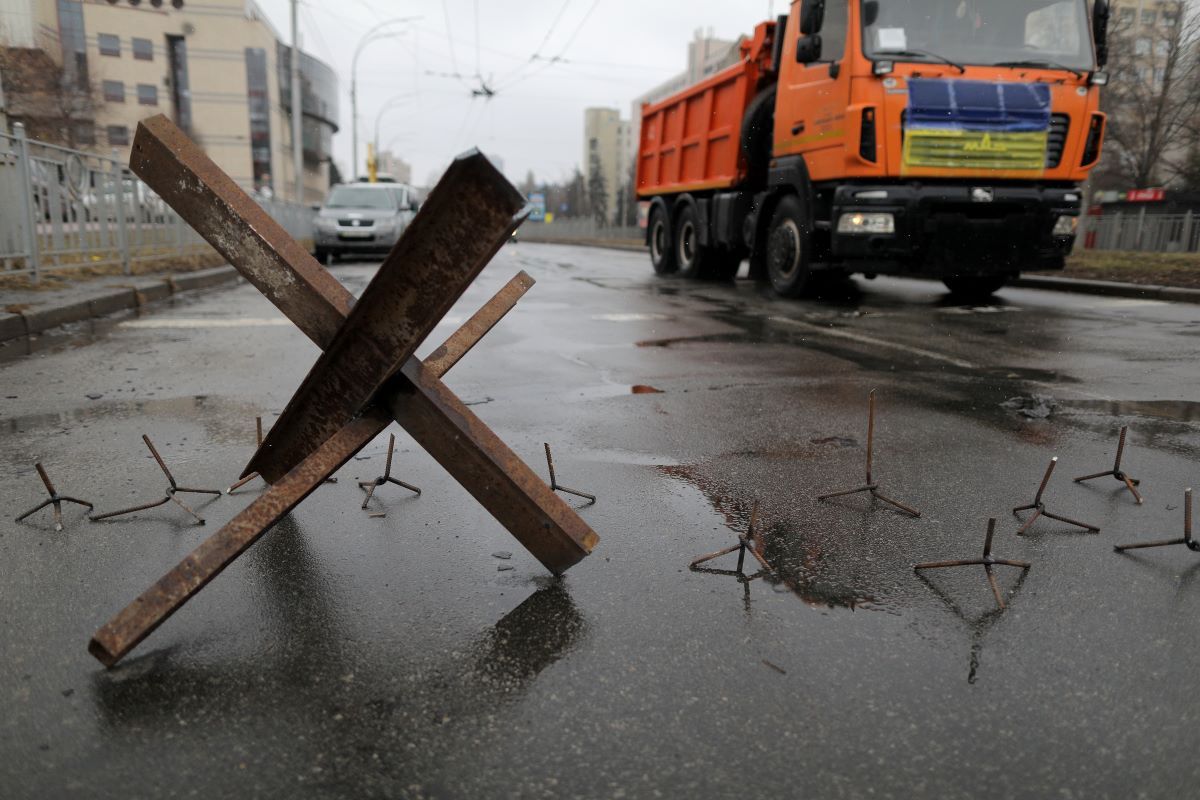
Ние също спряхме да се крием. За мен и момчетата е по-важно да продължим дейността си без прекъсване, защото на фронта имат нужда от нас. Започнахме активна работа още в началото на войната. Първото, с което се заехме, беше направата на противотанкови съоръжения, т.нар. таралежи. Събрахме на доброволчески принцип много заварчици, а предприятия ни подаряваха желязото, с което изработихме много таралежи.
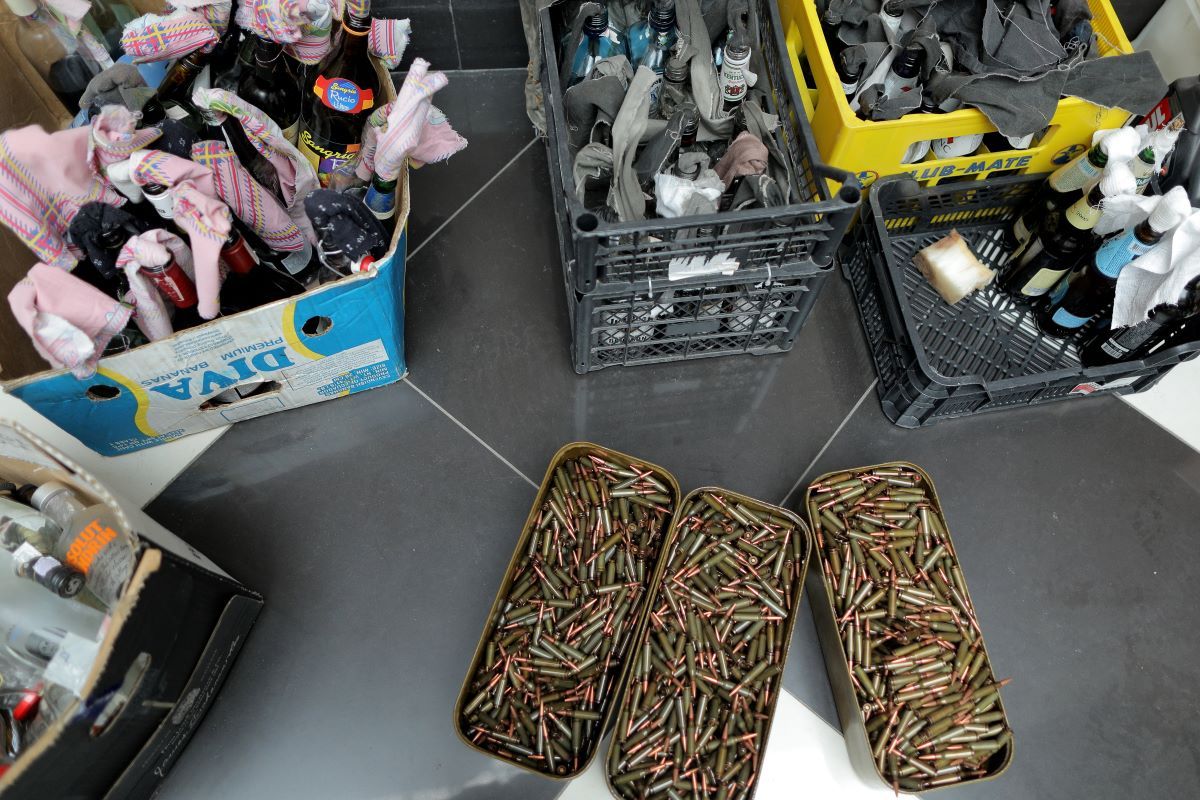
По-късно правят „коктейли Молотов“ и търсят войсково оборудване: муниции, каски, бронежилетки и обувки, очила, необходими за фронта. Техни доброволци постоянно пътуват до предните фронтови линии и доставят каквото могат.
Последното, което предадохме на фронта преди две седмици, беше голям автомобил, на който поставихме военна установка ГРАД. Имаме доброволец, който до този момент е изработил трийсет и осем такива. Прави ги абсолютно професионално – с мерници, с автоматика и точност на уцелването до три метра. Стрелят на трийсет километра с обикновени снаряди. За съжаление, много момчета загинаха на фронта. Познаваме ги поименно. Наши сътрудници също загинаха. Последният ГРАД, който предадохме, имаше табелка с името на момчето, което работеше по него, но то също беше убито по време на бой.
Фондацията на Андрей купува и разпределя в болниците в Украйна лекарства, санитарни пакети, инвалидни колички, специализирани легла и дюшеци за болниците.
Ранените ни са твърде много. Сега се опитваме да купим пикапи, за да ги преоборудваме със системи ГРАД или в реанимационни автомобили, с които да извеждат ранените ни войници от боя. Автомобили са ни необходими не само за фронта, но и за патронаж. Обикаляме социално слаби хора или многодетни майки със загинали на фронта съпрузи, или пък ранени войници, които са изписани от болниците, но имат нужда от всекидневни грижи в дома си.
Питам Андрей как се осъществява контролът на помощите, които получават или купуват с дарени средства. Той не е изненадан от въпроса ми. Показва ми как пратките, които получават и разпределят, се заснемат с видео.
Контролът при нас, а и при повечето доброволци е много затегнат. Но да, знаем, че има кражби и злоупотреби. Според мен това става на ниво чиновници в държавния апарат. Ние сме доброволци. Ходим до местата на боя. Виждаме ужаса с очите си. Не мога да си представя, че някой би откраднал от хората, които умират, за да ни пазят. Да, възможно е чиновниците да крадат и сигурно го правят. Това е проблем на ниво държава и съм убеден, че ще бъде решен.
Юлия е седнала напрегнато на стола си. Получава съобщения, в офиса влизат хора, които носят пакети и кашони.
Питате какво е там и как се справят нашите. Ще ви разкажа история от последните дни, на която присъствах. Една медицинска сестра беше ранена в крака. Извеждаме я от бойното поле. Тя въпреки шока повтаряше: „Моята рана е лека, отидете да помогнете на другите с по-сериозни рани. Потърсете Макс.“ Качваме я в колата, за да я отведем на по-сигурно място, а тя не иска да тръгне, докато не намерят Макс, когото е оставила на бойното поле ранен. На Макс му били откъснати краката. Тя му сложила турникети и успяла да го скрие зад някакво малко укрепление. Тогава я ранили, а той останал някъде там. Извади си телефона и показа на картата точните координати, където го оставила. Когато екип тръгна да прибира Макс, тя се отпусна в линейката и потеглихме с нея. Тогава изпадна в шок. Не можеше да си поеме въздух, цялата побеля. Онемя. Раздрусвам я, а тя се обърна към мен и пита: „Защо не мога да говоря?“ После внезапно промълви: „Видях ада, бях в ада. Стреляха от всички страни, не знаеш накъде да бягаш, избухват мини, разкъсват се тела и животът свършва. Много ме беше страх. Но аз се договарях със своя страх. Мисля, че всички момчета на фронта също се договарят със своя страх.“
Питам всички доброволци какво може да помогне на Украйна сега.
Сергий:
Ако България и Европа останат силни и имат стабилни правителства, това ще е най-добрата помощ за Украйна. Пазете складовете си с оръжие, нашите преди войната започнаха да гърмят – точно както вашите напоследък. Това е руска диверсия без съмнение. Колкото по-силна е България сега, колкото по-добре действат вашите специални служби, толкова по-бързо ще се справим и ние, а и вие с Москва.
Юлия:
Понякога правя торти за момчетата на фронта. Не защото са гладни, а за да знаят, че някой мисли за тях. На тези мъже на фронта им трябва сигнал, че не са захвърлени и нас ни е грижа. Те трябва да са убедени, че хората чуват историите им, тревожат се за тях, а който вярва в Бог, се моли за тях. Много от тези, които познавах, вече ги загубихме. Тази ужасна война трябва да свърши по-бързо. Затова и цяла Украйна, всички хора помагат, както могат. Нашата победа ще има много висока цена, но ние ще победим.
Андрей:
Имам седемгодишна дъщеря и тринайсетгодишен син. Те опаковат, разпределят хуманитарната помощ и помагат, както могат да помагат едни деца. Един ден виждам сина ми пред молитвеника в неговата стая. Казва ми, че се моли негов болен приятел да оздравее. Това се възпитава от най-ранна възраст – винаги да искаш да помогнеш на този, който има нужда. Сега изпитанието е огромно, но то ни сплотява и който и да се опитва да ни попречи, е безсмислено. Когато нещо страшно е пред нас и трябва да се защитаваме от него, всички заставаме заедно. Може много хора да загинат, но не и да ни победят.
Големите куриерски фирми в Украйна са две. Между тях има шега: „Толкова сме добри, че доставките за фронта понякога пристигат, преди украинските войници да са заели новите си позиции.“ Шофьорът на една от фирмите кара червено камионче с бял надпис „Нова поща“. Возил е продукти за фронта, когато до камиона му пада ракета. Камионът се обръща и се възпламенява. Той оглушава от взрива, целият е обгорен, но оцелява. Когато идват спасителните екипи и го намират, човекът плаче. Единственото, което повтаря, е:
Не можах да доставя на войниците необходимите им неща, а те ги чакат.
Последния път завършихме със свети Йероним, сега ще започнем с него. Познат и като Йероним Блажени, светецът е най-известен с превода си на Библията от гръцки и еврейски на латински език, наречен Вулгата (Vulgata), с придружаващите го преводачески коментари, както и с множеството си други писания по преводачески теми. Заради тези свои дейности свети Йероним се смята за патрон и покровител на преводачите, а на 30 септември (деня на смъртта му през 420 г.) се чества Международният ден на превода.
И въпреки че септември вече е зад нас,
за превода – и преводачите! – си заслужава да се говори по-често, а не само по официални поводи.
В този текст, поне първоначално, ще подходим към превода съвсем буквално в опит да проследим етимологията на думата в различни езици. А сякаш като олицетворение на дейността, която обозначава, самото проследяване се оказва доста сложно и главозамайващо оплетено.
Освен чисто езиково, вглеждането в разнопосочните етимологии на думата „превод“ е любопитно и защото разкрива широкия спектър от разбирания за това в какво всъщност се състои дейността на преводачите. С други думи,
самите понятия, които обозначават превода, може да се разглеждат като метафори – преводът като пре-веждане, пре-местване, пре-насяне, пре-обръщане, а дори и като бродиране и чеверме.
По някаква причина иначе доста обширният Български етимологичен речник на БАН не включва думата „превод“, а другите речници, с които се консултирах, не съдържат етимологичните ѝ тълкувания. Затова не ни остава друго, освен да предположим, че българската дума споделя сходна етимология с руския си еквивалент. Той(„перевод“)е образуван от глагола „переводѝть“, чийто корен произлиза от праславянската *voditi, а тя на свой ред – от праиндоевропейската *wodʰéyeti, с корен *wedʰ- (‘водя’)¹.
Макар и с различен корен, идеята за превода като „водене през“ съществува и в еквивалентните думи на романските езици – френската traduction, испанската traducción, италианската traduzione произлизат от латинската transducere:от trans (‘през’) + ducere (‘водя’).
Отделна теория, която освен леко съмнителна е и доста изкушаваща – особено за преводачи, които смятат заниманията си за ювелирно изкуство, – обяснява етимологията на думата „превод“ в сърбохърватския като свързана с „превести“, чийто праславянски корен *vęzti означава „везам, бродирам, шия“.
На други славянски езици, например украински и чешки, думата за „превод“ – съответно „переклад“ и překlad – е съставена от корен, произлизащ от праславянската дума *ložiti, която пък идва от праиндоевропейската *logʰ-éye-ti, тоест „слагам, полагам, поставям“.
Идеята за формирането на немската Übersetzung и скандинавските översättning, oversættelse, oversettelse (съответно на шведки, датски и норвежки) е подобна, макар че всички те произлизат от прагерманския корен *satjaną, който също означава „поставям“.
На унгарски преводът е известен като fordítás, което се смята, че произлиза от прауралския корен *pürke- (*pᴕrγɜ-), тоест „въртя, обръщам”. Идеята за въртене се открива и в турския, където – както научих от едно интервю с преводача Азиз Шакир-Таш – думата за „превод“ (çeviri) споделя общ корен с „чеверме“.
В различните начини на формиране на думата на различните езици, разбира се, няма нищо необичайно. Тези различия обаче създават сериозни предизвикателства за същинския процес на превод, особено когато е важно смисловият заряд на корена от оригинала да се съхрани.
Преди време например, докато работех по текст на преводачката Василена Мирчева, посветен на баща ѝ Красимир Мирчев и озаглавен „Баща ми преводачът“, ми се наложи да преведа следните две изречения: „Баща ми е преводач, така пише на визитката му. Баща ми е от хората, които ще те преведат през пяната на дните, без да те лъжат, че ще излезеш оттам окъпан, но ще те научи да се гмуркаш за съкровища по дъното.“
В моя превод на английски, за съжаление, връзката между „преводач“ и „ще те преведат“ – които аз съм превела като translator и will carry you through – става почти изцяло незабележима. Загубата е налице, въпреки че английският превод също отразява етимологията на думата, формирана чрез представката trans (‘през’) и корен, произлизащ от латинското latus (минало причастие на ferre, тоест „нося, понасям”).
Заниманието с художествен превод постоянно води до такъв тип загуби, поради което преводачите често биват обвинявани в предателство.
Понякога обаче боговете на превода (или може би самият свети Йероним) са благосклонни и се случва така, че определен израз или фраза съвсем гладко и без усилия преминават от един език в друг – дори и когато тези езици не са близки.
Крилатата фраза „traduttore, traditore“ е идеален пример за това: първоначално появила се като определение от гневни италианци за (според тях нескопосаните) френски преводачи на Данте, тя – благодарение на споделения префикс между двете думи – в голяма степен запазва благозвучието си и на други, дори и далечни на италианския езици.
Английската „translator, traitor“ например е почти толкова алитеративна колкото италианската, а даже и българската „преводач, предател“ притежава известна доза мелодичност. На унгарски, в опит да се запази алитерацията, фразата понякога се предава по-свободно като „fordítás: ferdítés“, тоест „превод: изкривяване“.
Нещата стават още по-оплетени, когато вземем предвид и различните видове превод, които на български обикновено се обозначават доста прозаично като „писмен“ и „устен“, но в много други езици за тези дейности – както и за преводачите, които ги извършват – съществуват съвсем отделни думи.
Два примера ни разкриват любопитни етимологии: на немски писменият преводач се нарича Übersetzer, а устният – Dolmetscher, докато на шведски тези думи са съответно översättare и tolk. Както вече споменах, и в двата случая думите за писмен превод имат общ корен, означаващ „поставям“. Думите за устния обаче се различават. За немската Dolmetscher се смята, че е заимствана от праславянската *tъlmačь (оцеляла и на български като остарялата „тълмач“),която на свой ред произлиза от пратюркската *til, означаващ „език“ и в двата смисъла на думата. (Полската дума за преводач – tłumacz, споделя същия произход.)
Скандинавската дума за устен преводач – tolk, също – доста изненадващо! – има праславянски произход: думата *tъlkъ (това е коренът и на съвременния глагол „тълкувам“), а тя от своя страна произлиза от праиндоевропейската *telkʷ- и е сродна със санскритската तर्क(tarka, ‘предположение’), латинскaта loquor (‘говоря’) и староирландскиите do·tluchethar (‘питам’) и ad·tluchedar (‘благодаря’).
На английски и френски, докато писменият преводач се нарича translator/traducteur, устният е познат като interpreter/interprète. Втората двойка думи произлиза от латинската interpres ‘агент, брокер, обяснител, посредник’, която от своя страна е формирана от inter (‘между’) и pres, смята се, за корен на pretium (‘цена’) и се предполага, че е свързана със старогръцката φράζειν (phrázein ‘посочвам, показвам, обяснявам, декларирам, говоря’), от която произлизат и φραδή (phradḗ ‘разбиране, знание’) и φράσις (phrásis ‘фраза, израз, говор’).
Думата φράσις(phrásis) служи и като корен на гръцката дума за „(писмен) превод“: μετάφραση(metáfrasi). Както е известно, този термин е навлязъл и в други езици с леко изменено значение².
Сега се замислям, че ако гръцката дума за „превод“ беше формирана по модела на английската – на базата на корена „нося, понасям“ – тя щеше да звучи като μεταφορά(metaforá).
Освен като познатото ни стилистично средство в реториката, μεταφορά на гръцки също така означава чисто и просто „транспорт“. A етимологично погледнато, думата „транспорт“ – от латински, trans (‘през’) + portare (‘нося’) – се оказва нещо като калка, тоест буквален превод на „превод“.
Ето как в края на краищата се оказва, че преводът неизбежно е и пренос(ен). И въпреки първоначалните ми намерения да пиша по темата съвсем буквално, все пак достигнахме метафоричното – и то буквално.
Като голям застъпник на духа пред буквата свети Йероним със сигурност би одобрил.
1 Смята се, че праиндоевропейската *wedʰ-, освен на думата „водя“ и нейните сродни думи на другите славянски езици, е първоизточникът и на английските wed (‘венчавам’) и wage (‘водя, провеждам’, обикновено в комбинация с „война“).
2 Терминът „метафраза“ е навлязъл и в други езици, в които се използва като обозначение на буквален превод, тоест пренасяне на текста дума по дума и ред по ред, а също така и на превода на поезия в проза. Tова, с други думи, е вид превод, който свети Йероним не би одобрил. С право той се запитва: „Каква е ползата да се гони буквата, да се спори за грешките на пишещия или за хронологията, когато много ясно е казано, че буквата убива, а духът животвори.“
В рубриката „От дума на дума“ Екатерина Петрова търси актуални, интересни или новопоявили се думи от нашето ежедневие и проследява често изненадващия им произход, развитието на значенията им във времето и взаимовръзките им с близки и далечни езици.
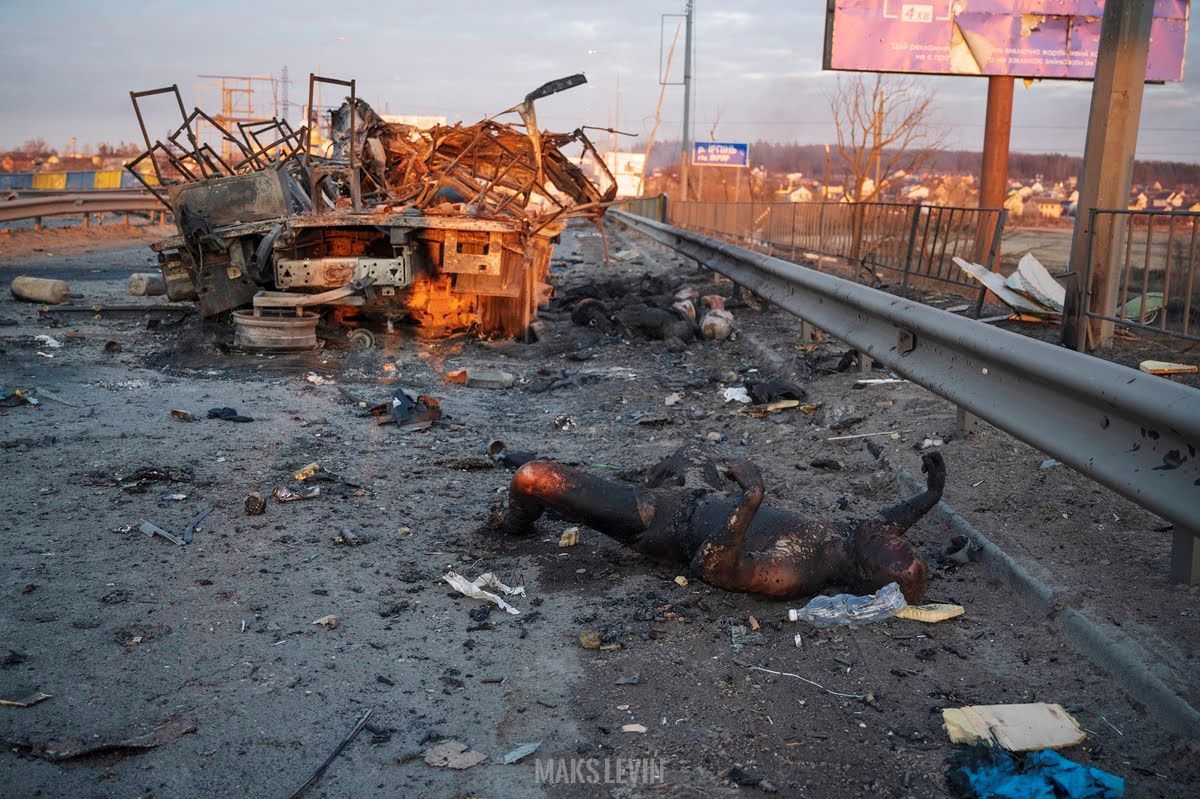
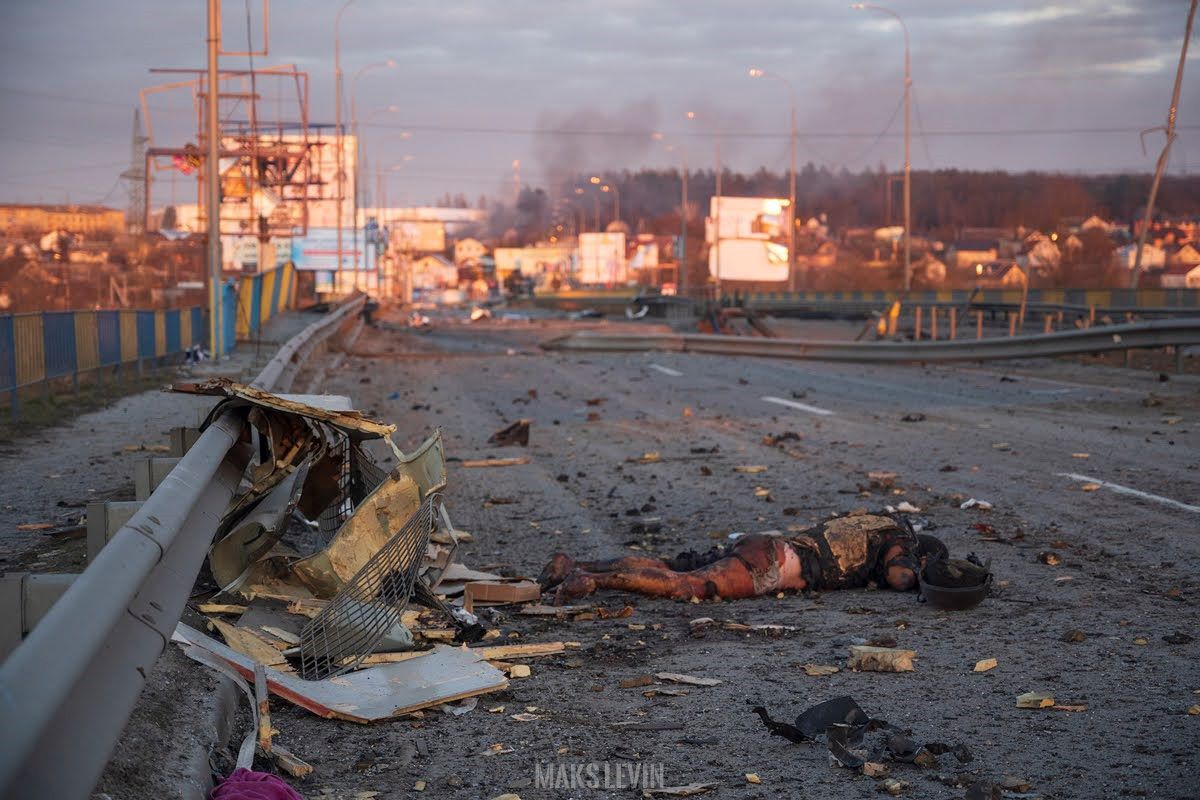
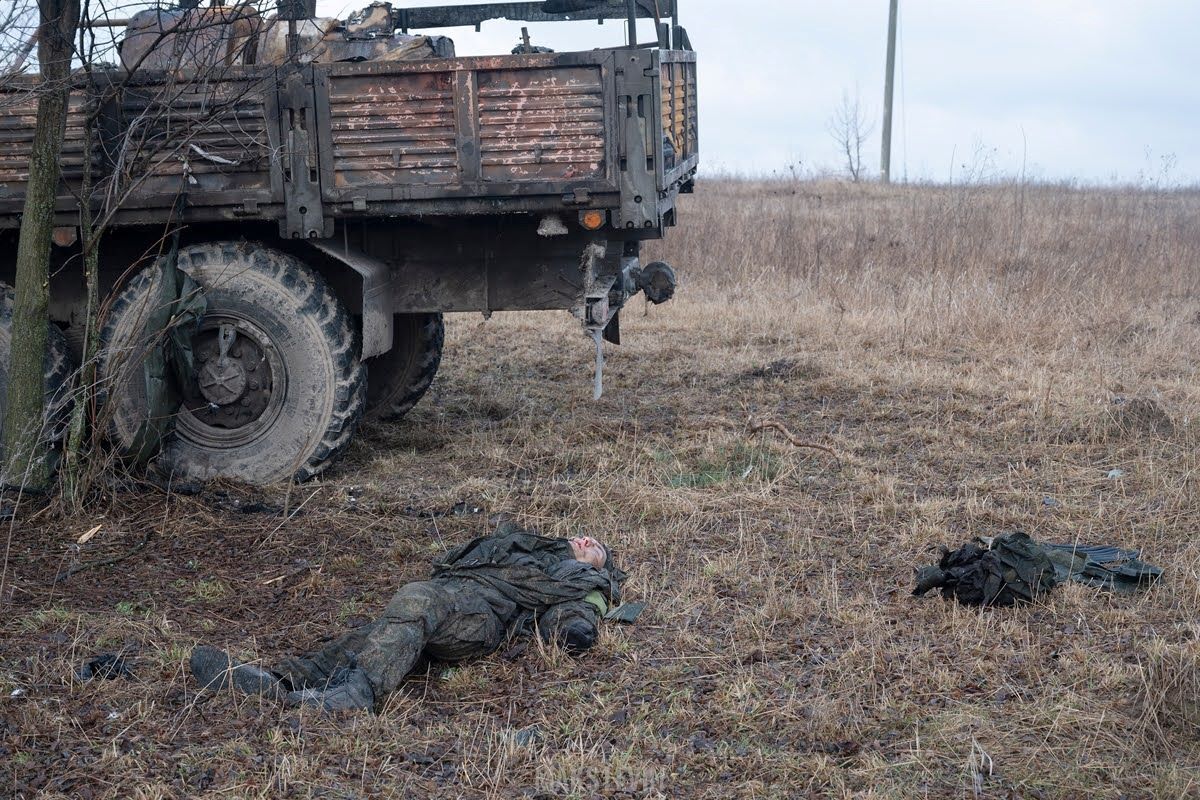
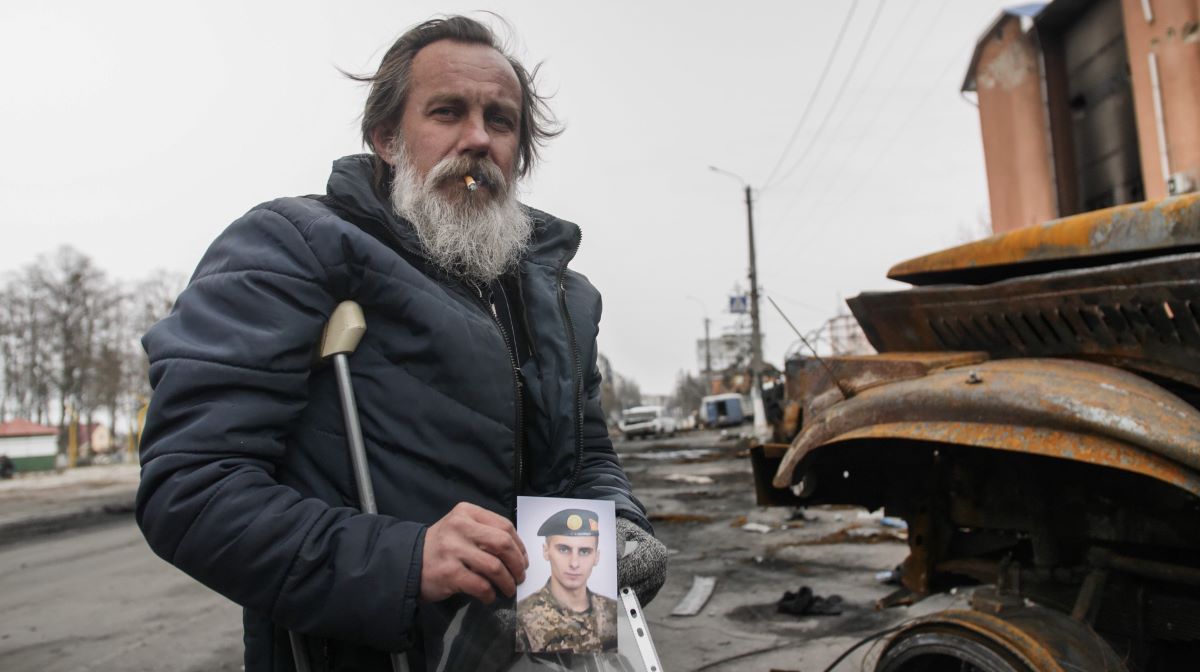
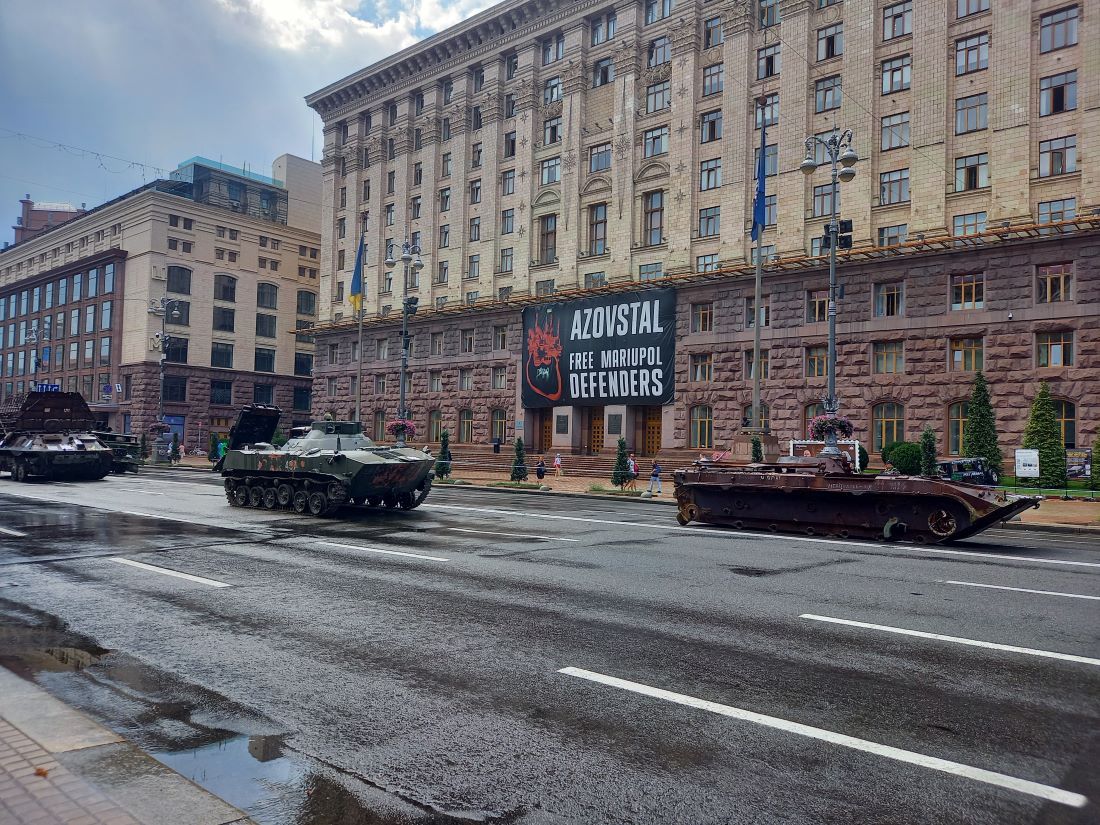
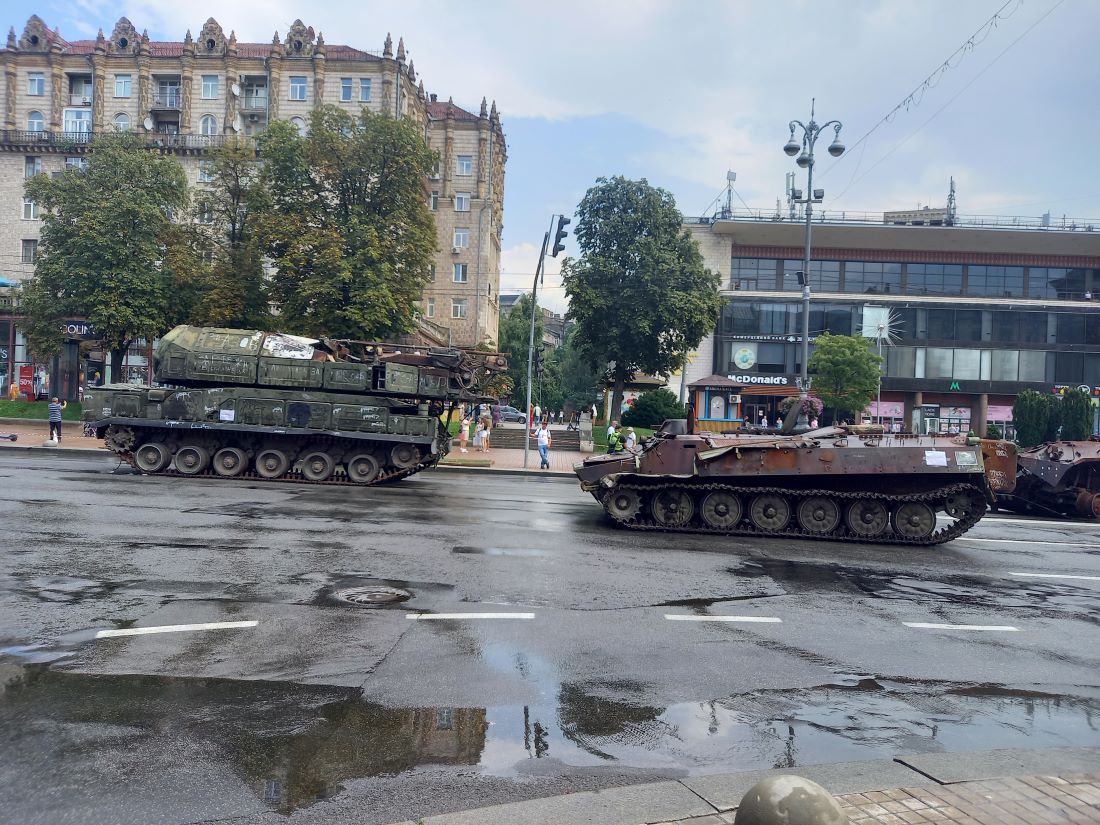
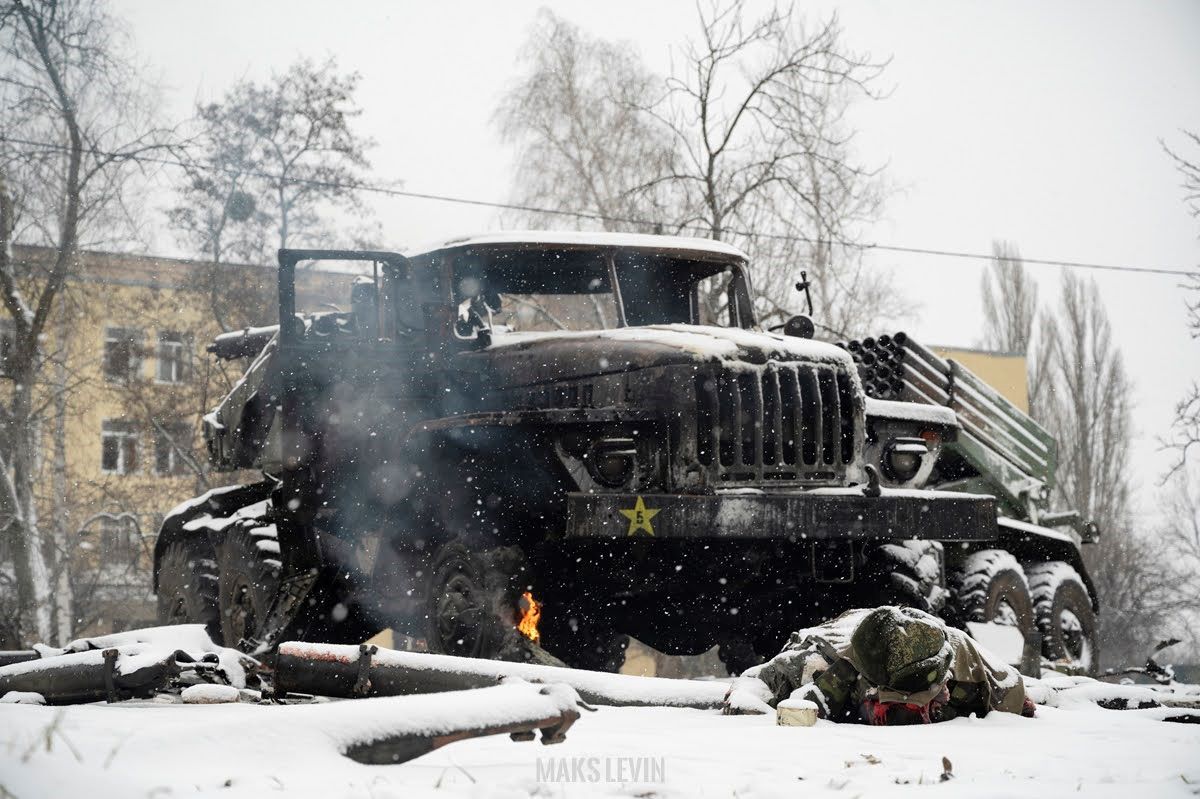
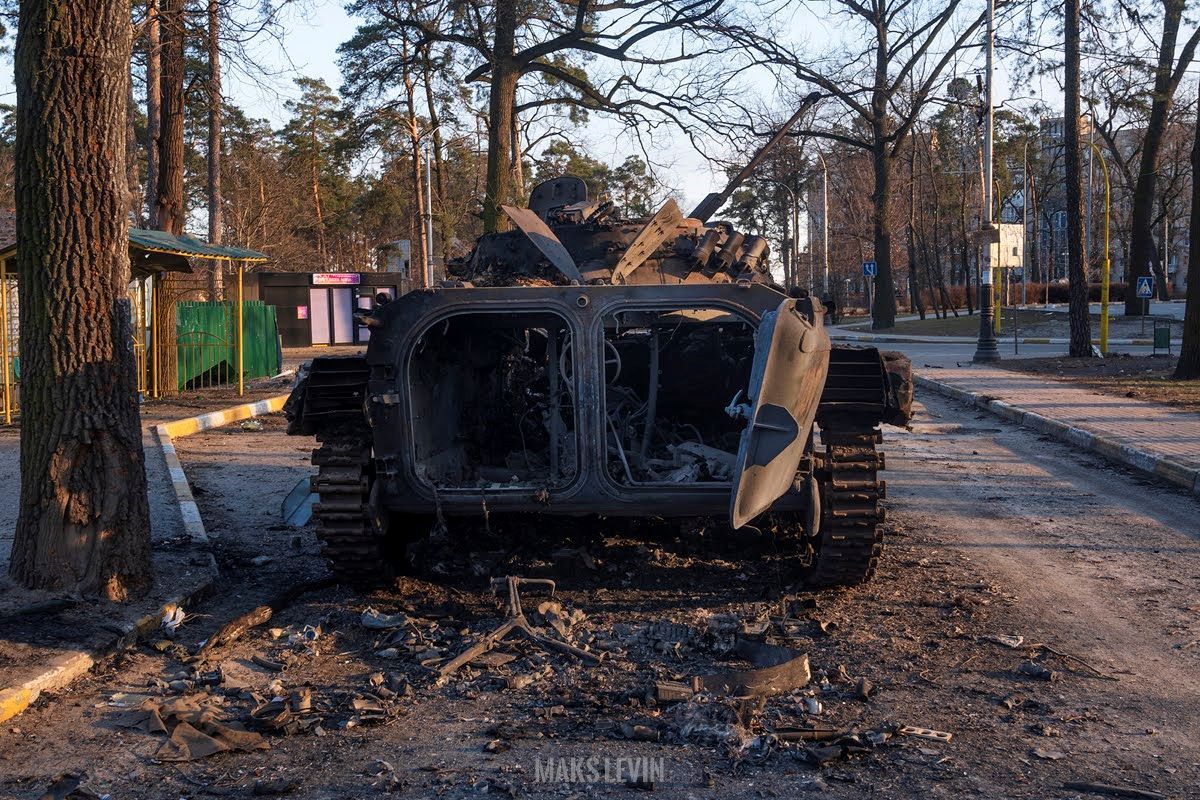
Дулото на танка сочи точно срещу изхода на метрото. Залива го пелена от проливен дъжд. Майданът и булевардът до него са притихнали под тежестта на сиви облаци и военна техника. Подготовката за парада на пленени руски бойни машини от сегашната война на Русия срещу Украйна започва ден преди 24 август, Деня на независимостта на Украйна. Дъждът в Киев полека-лека спира и мога да разгледам всичко по-отблизо.
Много от военните машини са обгорели, някои са без покриви,на трети има надписи: „Азов“, „Зарубежна“ (Чуждестранен), „ За Харкiв“ – с нарисувано до надписа сърце, „Никополь не бьi забуди“ (Никога не забравяйте Никопол), „Слава Україні“, „Дніпро“, „Руский иди на хуй“. Някои надписи са върху бетонни плочи, закрепени на танка. Вероятно са част от сграда или от нещо друго, взето от мястото, където танкът е рушил и убивал. Буквите са изкривени, набързо надраскани, задъхани и разтреперени.
Опитвам се да си представя ръцете, писали по тези танкове. Трескавия поглед. Страха, примесен с радостта от малката победа. Как изглеждат мъжете, пленили танка и изписали думи върху грозното му тяло.
Какъв мирис само има на фронта, направо воня! Но как да е другояче? Можехме да перем дрехите си само в някоя река. Нямахме вода за къпане, а беше лято. Къде ти сапун – търкаш си дрехите с камъни. Обличаш ги мокри, а наоколо всичко гори – каучук от гуми, човешки тела, поляните, горите. Навсякъде има пожари от стрелбата. Всичко гори. Миризмата е ужасна и прониква в дрехите ти, в тялото ти. Смърдиш целият на риба и огън.
Саша е ранен на фронта през лятото тази година. Очите му се движат бързо наляво-надясно. Прилича на тик. Пристъпва от крак на крак и ясно личи, че единият е по-къс от другия. Костта му е раздробена от куршум по време на бой. Сега на мястото на липсващата кост има метална пластина.
Представата ми за ветеран винаги е била за възрастен мъж със спомени от далечни времена, които никога няма да се върнат. Саша е висок, едър, с рехава черна брада.
Ветеран от настоящата война в Украйна, само на двайсет и четири години.
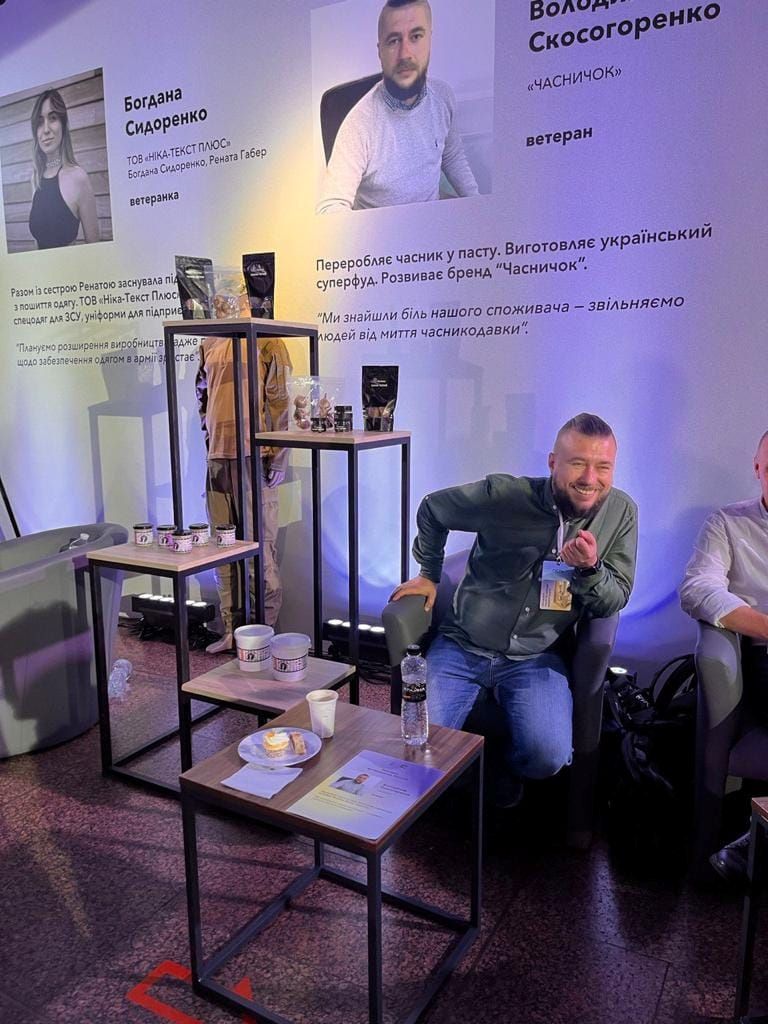
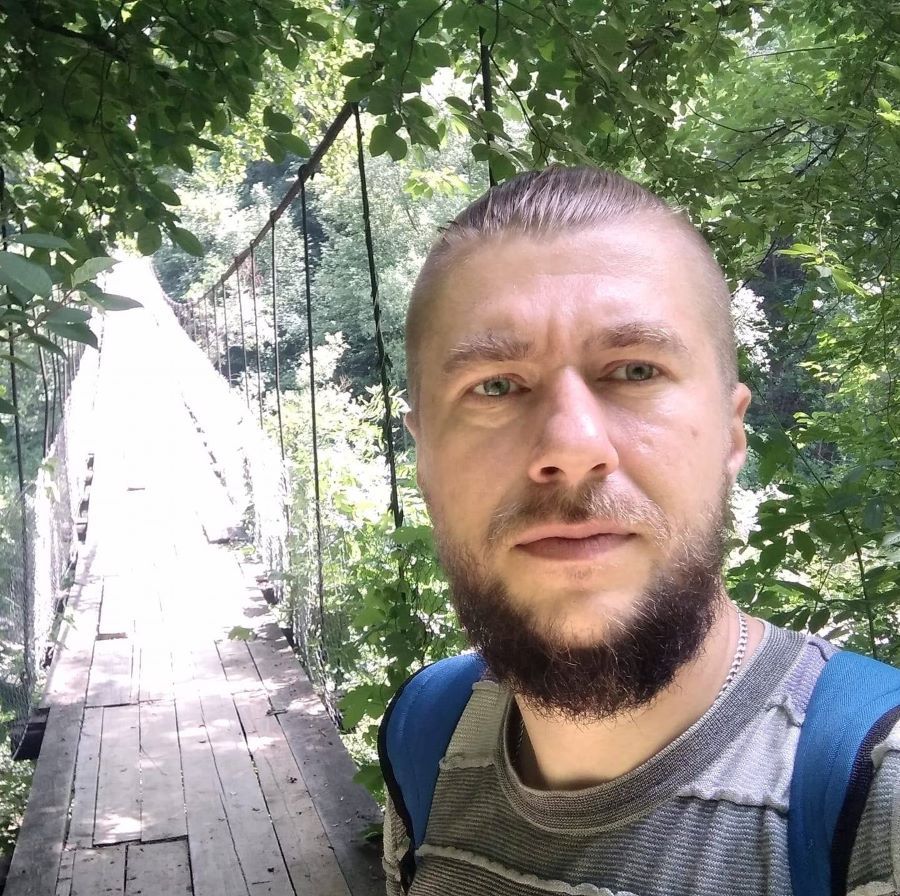
Володимир е на трийсет и пет. Запознахме се във Виница. И той е ветеран.
Въпросът за войната е много сложен. Как се чувства човек? Първо е страх и неразбиране. Когато тръгнахме, на една улица тлъст полицай ни отдаваше чест, докато колоната ни, километри дълга, преминаваше покрай него. В същото време ни махаха и жени с леко поведение. Горди бяхме, че щом и полицаят, и проститутките разбират къде отиваме, значи, ето ни! Но колкото повече се приближаваш към фронтовата линия и виждаш разрушенията, започваш да разбираш, че тук не е, както си си го представял, докато ти махат и отдават чест. Тогава тихичко, лично в мен, се появи страхът – какво ще бъде, как ще бъде…
Саша се сражава в Купянска, Миколаевска и Харкивска област. Губи най-близките си приятели на фронта. Те също са били момчета като него. Най-младият – на двайсет и една, най-възрастният – на двайсет и осем. Всички са убити по време на сраженията.
Единият загина от куршум и излезе късметлия, защото другия го разкъса мина и половин месец правиха ДНК експертиза, за да се разбере той ли е, или не е той. Просто нямаше достатъчно от тялото му, за да се направи експертизата, събирахме го на парчета. Друг мой приятел пък изгоря и също едва установиха кой е, защото беше сирак и нямаше от кого да се вземе ДНК. Едва намериха някакъв роднина, за да сравнят пробите и да разберат…
Според Саша двамата му приятели, разкъсани на фронта, са едва ли не щастливци, защото са успели да ги идентифицират. Тези, които не могат да бъдат разпознати, се водят безследно изчезнали в боя и семействата им не получават компенсация.
Пазим остатъците от вещите им и само си спомняме за тях. Толкоз.
Столът лекичко изскърцва, Володимир се намества в него и издишва дима от цигарата си. Изучава ме внимателно, сякаш се опитва да прозре колко от разказа му мога наистина да разбера. Започва бавно:
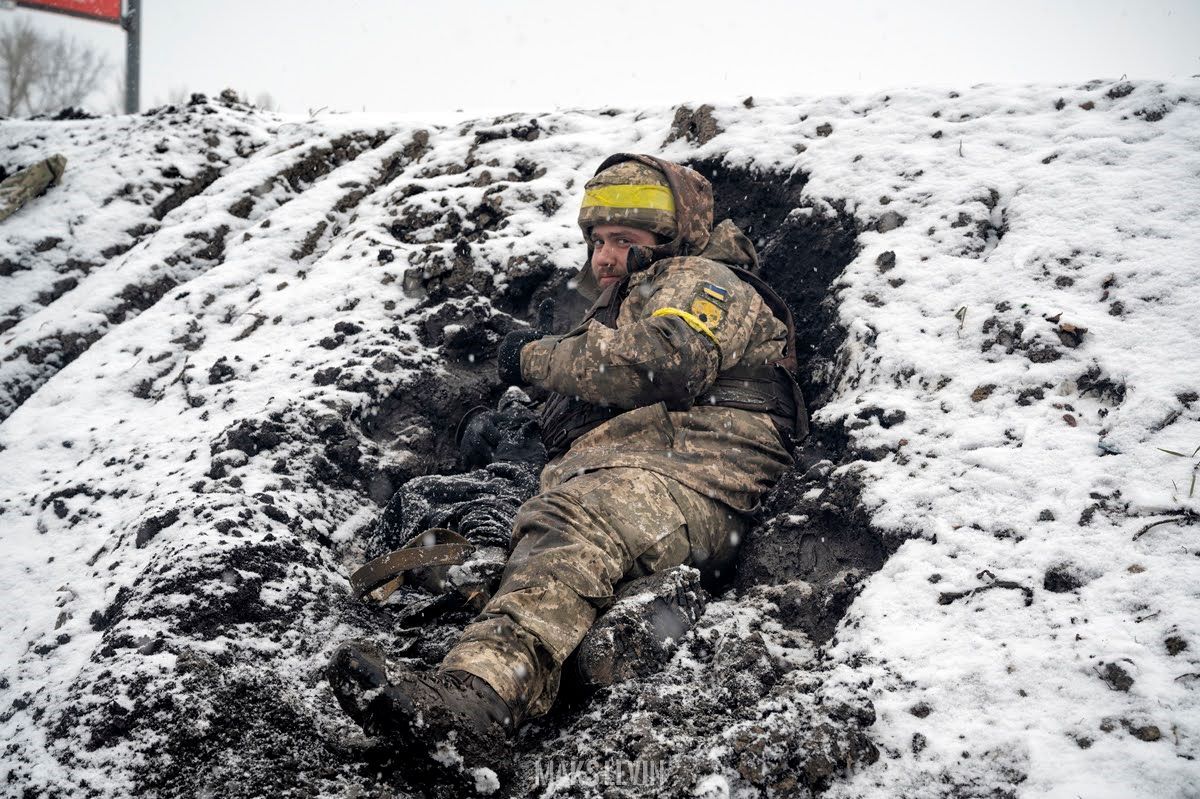
Пристигнахме на местоназначението. Момчетата, които сменихме, бързо-бързо си събраха нещата и си тръгнаха. И ние: „А..? Какво става..?“ Тези, които останаха, ни разказаха, че преди дни е имало няколко силни обстрела точно на нашите позиции. Бяха ни инструктирали, че веднага щом започнат взривове, трябва да се скрием, и затова ние постоянно тичахме. Щом чуехме непознат звук, падахме по очи. Пристигна втората група момчета. Имаше тревога „въздух“. След отбоя усетихме силна миризма на фекалии. Не разбрахме откъде идва. Излязохме от окопа и видяхме как едно момче седи до кръста във фекалии. Питаме го: какво правиш, какво е това? Той отговаря: аз току-що пристигнах и ми казаха, че при команда „нападение от въздуха“ трябва незабавно да скоча в някоя дълбока дупка, но никой не ми каза, че тази дупка е тоалетна. Смяхме се много, но това беше защитна реакция, защото след малко пак започна обстрел и усетихме какво е в действителност към теб да летят мини. Мой приятел го събрахме на части, в торба, защото върху него падна мина. В този момент разбираш, че истинската война не е като във филмите с Рамбо. В съзнанието ти изплува, че във всеки един момент би могло да…
Саша лекичко докосва крака си с ръка. Убеден е, че най-голямата трагедия е за тези момчета, които остават осакатени за цял живот, с откъснати от мините крака и ръце.
Да, живи са, но какъв живот е за човек на двайсет години това да е осакатен по този начин. Без крака, без ръце. Как ще си намери момиче, как ще живее, кой би се грижил за него?
казва ми Володимир, докато поглежда телефона си. Изключва го и продължава:
Нашата част беше обкръжена. Тогава, за да преодолеем страха, започваме да правим различни полезни неща. Копаем окопи, почистваме оръжията, пишем писма, разговаряме с неправителствени организации. И през цялото време не спираме да се поддържаме един друг с думи, за да не зациклим върху това, което ни заобикаля, и максимално да потиснем емоциите.
Гледам този висок, хубав мъж и си представям, че съм негова майка, сестра, любима – какво ли бих почувствала, докато чета редовете, в които ми пише, че върху него падат бомби, приятелят му е разкъсан от мина, частта му е обкръжена и не е ясно дали ще оцелее, или ще го пленят. Какво ли бих му отговорила? Как бих го окуражила? Той ще ми повярва ли, знаейки, че докато преживява всичко това, аз съм в някой град, където животът все пак продължава.
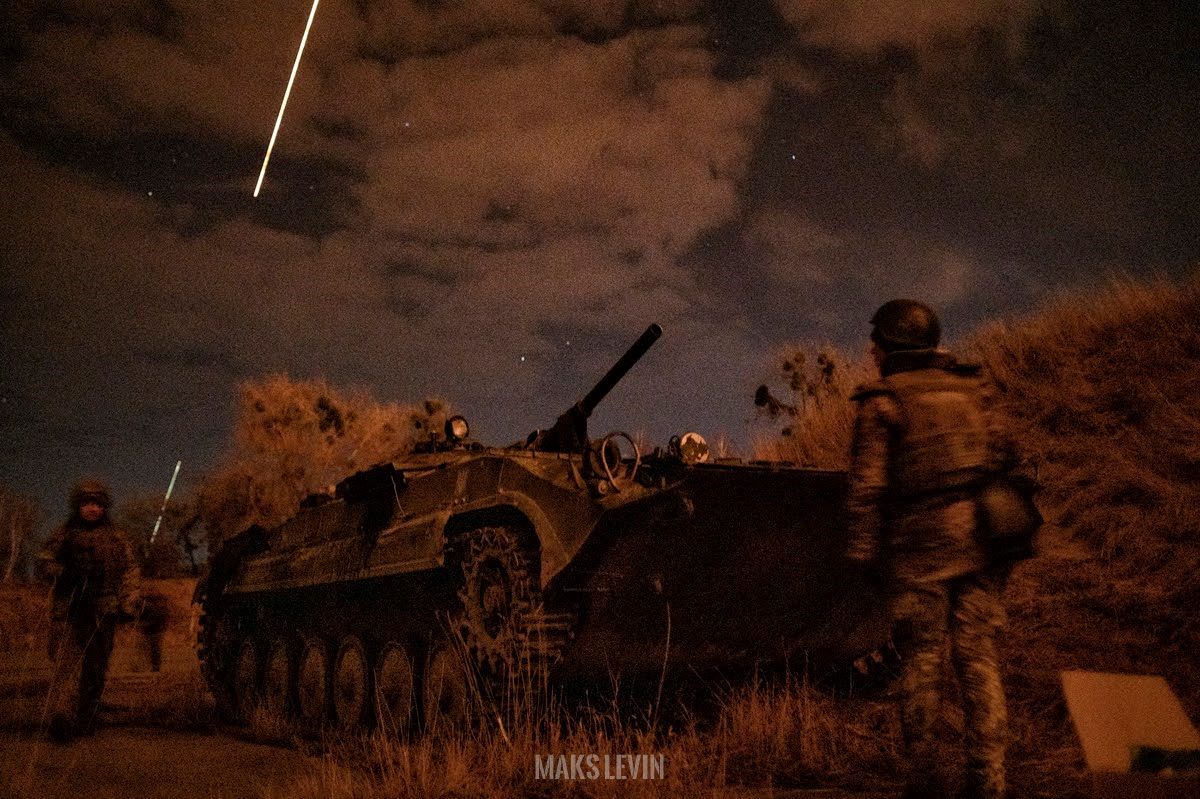
Предадоха ни, че са нападнали наш пост. Чувахме картечници. Ние бяхме назад в кръгова отбрана. Имахме далекобойни оръдия, но за да стигнем до тях, трябваше да минем през минно поле. Това е преломен момент за психиката – да превъзмогнеш страха, защото си наясно, че ако настъпиш мината – край. В същото време обаче трябва да тичаш към оръжието. Каквото и да ти се случва, каквото и да ти се наложи да направиш, знаеш, че трябва да си свършиш работата. Стигнахме до оръжията, заехме позиция. В това време пристигна и нашият БТР, който ни помогна. Всичко приключи много бързо. Седнахме, запалихме по цигара и един от по-възрастните войници ни каза: „Браво, мъже! Рискът за живота е този повратен момент, който ви прави не просто войници, а военни, които могат да воюват.“
Виждам, че Саша е притеснен. Сякаш иска да сподели нещо, което смята, че няма да ми хареса. Казвам му да говори спокойно, защото, ако някой е държал в ръцете си разкъсания труп на свой приятел, има право да каже всичко, дори и да не ми хареса. Той се усмихва по детски и започва да говори бързо.
За мен е много важно да кажа, че това, дето се твърди, че руснаците не могат да воюват, не е вярно. Те могат да воюват добре, колкото и да ми е неприятно да го призная. Освен това ни превъзхождат числено. Ако при една битка от техните загинат двайсет души, веднага на тяхно място идват нови двайсет, и нови, и нови… При нас не е така. За тях загубата на двайсет души не е нищо. За нас е много. Затова и се грижим за хората си повече, но пак не е достатъчно.
Притихва. Гледа ме изпитателно и малко виновно. Търси в мен упрека. Не го намира. Добива кураж и продължава:
Освен това тяхната военна индустрия работи, и то явно добре, защото гилзите, които падаха при нас, бяха с дата от тази година, значи са направени сега. Страната им е много голяма и очевидно всички работят сега за фронта. Нашите заводи не могат да смогнат да произведат такова количество оръжия и ако нямаме помощ от НАТО и ЕС, не знам какво би станало.
Мълчим и се гледаме около минута, без да знам какво да му кажа. Той пристъпва и се поклаща. Кракът го боли. Предлагам му да седнем. Отказва. Тогава споделя с мен още една своя тревога. Викат го отново на военна комисия, за да го върнат на фронта. Саша се притеснява, че кракът му няма да издържи, защото пластината в него е от метал, който не е медицински, а и не е поставена както трябва. Оперирали са го при полеви условия. Някои от лекарите му казали, че само да скочи или да се затича, пластината, която свързва костта му, може да се счупи. Други обаче го посъветвали, ако се счупи, да си върже крака с колана. Докато ми разказва това, тялото му сякаш се смалява и прегърбва. Преживява всяка своя дума. Тревожи се за две неща. Едното е, че някой може да го помисли за страхливец. Другото – че металната пластина може да не издържи в боя, когато се върне там.
Саша се надява, ако отново отиде да се сражава, да е пак в артилерията, откъдето се връща. Защото в пехотата боевете се водят много отблизо, а окопите на двете страни са на десет метра разстояние един от друг.
Виждат се очи в очи и си мятат един на друг гранати. Това е някакъв кошмар.
За университета, в който е учил до началото на войната, вече не мечтае, защото не знае дали ще оцелее. Въпреки всичко Саша не се съмнява, че Украйна ще победи. Почти въпросително ми казва:
Но кога ще се случи това и колко още човешки животи ще коства…
Тревожи се, че доброволците за фронта намаляват и ще се наложи задължителна мобилизация.
Даваме много жертви и това ще обърне нещата към лошо, защото каква ще е тази армия с войници, които са изпратени на фронта насила? Войната трябва да приключи, преди да са свършили тези, които отиват да воюват като доброволци.
Володимир е убеден, че ще се върне на фронта, където е и по-големият му брат.
Знам и съм готов. Мъжете в Украйна днес разбират, че рано или късно всички ще трябва да воюват. Защото факторите войната да спре са твърде много и не вярвам да сработят. Този конфликт не го създава само един човек. И тях никой не ги кара насила да ни убиват, нали? Руснаците могат и да се предадат, ако не искат да ни убиват. Тоест и в главите на войниците трябва нещо да се случи, както и в тяхното правителство и командване.
С Володимир говорим дълго за преживяванията на момчетата, когато се върнат от фронта. Според него това е много тежък период, защото войната променя хората страшно много.
Ценности като „не убивай“, „хуманност“, „добрина“ се заличават. Войната ги изтрива. Каквото и да си чувствал преди, спираш да го чувстваш, защото чувства по време на война не може да има, не съществуват. Всичко се заличава.
Володимир разказва, че след като се завърнат от фронта, много негови приятели искат да се самоубият, а някои дори са се самоубили, защото съпругите им не разбират промяната в тях и ги напускат заедно с децата им. Или пък всеки ден пристигат вести за загинали на фронта техни приятели.
Те губят смисъл и доверие в цивилния свят. Чувстваш се сам и се питаш: а какво следва оттук нататък? Какво? Но искам да ви кажа, че войната е най-ужасното нещо, което може да ти се случи, и в същото време е най-прекрасното, защото ти се иска да се върнеш там. Тя е като наркотик. Да, там е тежко, но когато се прибереш в цивилния живот, си мислиш, че на фронта ти е по-добре, защото там разбираш всичко, там всичко ти е ясно и много просто. Има враг. Ти го убиваш – или той теб. Това е.
Мълча и за пореден път не знам какво да кажа. Толкова много болка има в тези момчета, толкова много тъга и в същото време такава решителност. Питам Володимир как му изглеждат Европа и останалият свят, докато е на бойното поле, под обстрела на ракетите.
Преди се ядосвах много, защото, за съжаление, Европа не разбира, че те няма да спрат до нас и ако превземат Украйна, ще продължат нататък. Кой и какво ще им попречи? Никой. Дори и аз не си помислях, че ще стигнат дотук, преди да започнат пълномащабната война. Но не, те се оказаха такива идиоти, че от тях явно може да се очаква всичко. Илюзия е, че страни от ЕС или НАТО са защитени, защото от руснаците може да се очаква абсолютно всичко. Най-ужасно е, че има хора в Европа, които не разбират как това не е само наша битка. Ние пазим безопасността на всички близки европейски страни.
Според Володимир най-страшното би било, ако Русия превземе Украйна.
Ще започнат да промиват мозъците и на украинците, които живеят тук, и ще стане така, че в един момент украинци ще воюват против Европа. Защото ако ни превземат, те ще ни заставят да воюваме за тях. А Европа си седи спокойно и си мисли: „Е, това се случва някъде там. Не е у дома. Защо трябва да им давам каквото и да било, ако са толкова далеч?“ На нас ни трябват още много оръжия, включително далекобойни, трябва ни ПВО, за да освободим територията си. А после ще построим такава граница, че те никога повече да не припарят тук. Трябва да се разбере и в Европа, и тук, че има враг и трябва да го спрем по всякакъв начин. Защото ако Украйна не ги спре, те ще продължат нататък и ще се опитат да провалят живота на всички. Знам, че във вашата страна има купени политици, които лъжат хората – не в името на благополучието на вашия народ, а по други причини. Откъде извират всички тези глупости за плоската земя, антиваксърските теории или за всемирния заговор и колективния Запад? От Русия идват и това не води до нищо добро. Трябва да го знаете.
В Киев вече е тъмно. Върху платформата на огромен камион лежи танк. Голям кран бавно го стоварва на площада до другите.
Момченце на около пет години пита баща си: „Татко, татко, какво е това?“ Баща му отговаря: „Това е танковоз.“
Била съм в подножието на танк само в музей. Зловещо е. Знаеш обаче, че това е било в предишни, далечни времена и когато си тръгнеш от музея, нищо не те грози. Тези танкове на Майдана в Киев са воювали току-що срещу Украйна. Разрушавали са градове, училища, убивали са невинни хора и деца насред Европа през ХХI век. Мисля си защо му е на малкото дете да научава дума като „танковоз“. Колко още ще му се налага да я чува и използва? Докато стане достатъчно голямо, за да воюва?
Време е да тръгваме, наближава комендантският час. Звъня на Юлия, доброволка, която носи помощи до фронтовата линия. Искам да се срещнем на другия ден във Виница. Разбира се, телефонният оператор се включва с вече познатото:
Моля, изчакайте. Абонатът говори за победата.
Вървим бавно към хотела. Сирени. Вибриращ телефон. Стрелки по тротоара сочат към „убежище“. Някак ми е все едно. Няма да се крием. Просто продължаваме по чистите, блестящи улици на Киев.
Елате, елате ще ви покажа петното от кръв на стълбите, където простреляха крака на сина ми. Не мога да разказвам, без да плача…
С тези думи ме посреща Люба, докато влизаме в къщата ѝ в Гостомел. Градина, слънчогледи, домати, чушки и лаещо куче. Там са и две нейни съседки. Една през друга започват да разказват за дните на окупацията, припомнят си, окуражават се, плачат, замлъкват, въздъхват и продължават.
Когато колоните с танкове и БТР-и тръгнаха по нашата улица, не повярвах на очите си и много се изплаших. Спряха срещу къщите ни и първото, което направиха руснаците, беше да прострелят мъжете в краката. Знаеха, че нашите войски са някъде отпред, и явно се страхувахамъжете ни да не започнат да ги атакуват в гръб. Застреляха кмета на града. Натикаха ни в мазетата и се настаниха в домовете ни. Изпочупиха телефоните, телевизорите и радиата. Попитах един от тях докога ще останат. А той ми отговори: „Докато не убием вашия Зеленски.“ Така разбрах, че не са стигнали до Киев. Живеехме в пълно неведение какво се случва в градчетата около нас, дори в съседната махала не знаехме кой е жив и кого са застреляли. Ако се опиташ да напуснеш къщата, стреляха и убиваха. Разположиха снайперисти по покривите. Знаете ли какво е усещането да излезеш на двора и да видиш как от съседния покрив снайперист следи всяко твое движение и може да те застреля, когато си реши? Ето, вижте, на това стъпало беше синът ми, когато го простреляха в крака. Петънцата кръв не се измиват вече година и половина. Тук, пред къщата ми, избухна снаряд, още личи, нищо че запълниха дупката.
Два-три дни след като дойдоха, започна раздвижване. Попитах ги какво става. Тогава единият ми каза: „Правим смяна. Сега идват зверовете.“ И си тръгнаха. Много по-късно научихме какво се е случвало в Буча и Ирпин.
Люба и двете ѝ съседки ни изпращат до колата. Махат дълго след нас. И аз им махам, докато не ги загубвам от поглед.
В края на Ирпин виждаме голяма сграда. Прозорците ѝ са избити, покривът е разрушен. В двора, обрасъл като джунгла, се търкаля изоставена кола. Това е бившата болница на Ирпин. Пожарът и разрухата вътре не са от небрежност. Десетина дни след нахлуването на Русия в Украйна градчето е обстрелвано с руски ракети. Едната се забива в болницата. Другата – в стадиона срещу нея. Осколките и ударната вълна помитат цели етажи на жилищния блок до болница.
Пред единия от обитаемите входове на блока млада жена ми разказва:
От Буча идваха БТР-и, които помитаха и опожаряваха всичко по пътя си. Оставяха след себе си огромни дупки по пътя. Настъпваха много бързо и ги виждахме все по-близо и по-близо. Беше страшно.
Възрастна жена я допълва:
Да, те дойдоха и започнаха да стрелят направо по хората в къщите отсреща. Всичко наоколо се тресеше от взривове. Разрушаваха и палеха. Останахме без дом, без нищо.
Пресичам двете платна на пътя между блока и стадиона. Шосето е с гладък асфалт, маркировката и пешеходната пътека личат ясно. Трафикът е натоварен, но колите и камионите спират и търпеливо ме изчакват да пресека.
Сградата на стадиона е красива, боядисана в синьо. В покрива ѝ зеят огромни дупки, от които стърчат греди. Стените и прозорците са надупчени от шрапнели. Наоколо няма жива душа. Дърветата в парка са отрупани с плодове. Пейките са ремонтирани. Ще разгледам всичко това после. Тръгвам в друга посока и търся конкретни къщи. Веднага ги виждам. Залепени са до стадиона.
Малко по-рано в парка на Ирпин срещнах красиво момиче на около двайсет години. Черната ѝ коса е много късо подстригана.
Къщата ни е в най-крайната част на града, до стадиона. Видях ги как се задават откъм Буча. Видях как убиха съседите ни и труповете им останаха на улицата. Видях и как в другата къща пред нашата изнасилват приятелката ми. Всичко това беше толкова ужасно, че в душата ти не остава нищо друго освен паника. Слязох в мазето и си отрязах косата до кожа, облякох старо, широко сако на баща ми, скрих цялата си глава под вълнена шапка. Мисля, че това ме спаси, защото ме помислиха за момче. На 6 март 2022-ра разбиха вратата на дома ни. Изпочупиха всичко, включително телефоните ни. Започнаха да прелитат ракети. Покривът на стадиона беше взривен от ракета. Мислех, че сънувам някакъв кошмар. Все още ходя на психолог, защото не мога да преживея видяното и ме е страх да пусна косата си дълга, каквато беше. Мои приятелки, които бяха изнасилени и забременели от руски войници, също още ходят на психотерапия. Сега живея на друго място в Ирпин, защото, след като успяхме да избягаме с помощта на доброволци, руснаците са разрушили къщата ни.
Внимателно пристъпвам между разпадащи се къщи без покриви, точно до стадиона и вишнево дръвче. Седя вцепенена насред нещо, приличащо на стая, която има отвор, напомнящ врата към мазе или кой знае, може би врата между два двора. Сигурно това е къщата на Мария и мазето, в което се е крила две седмици, за да не я изнасилят или убият. За първи път, откакто съм в Украйна, ужасът на войната с цялата му уродливост се стоварва върху мен сред остатъците от нечий съсипан живот. Стъпвам върху разказите и спомените за паника и страх, които оцелелите от окупацията пазят. Тук, на мястото на действието, между фугите на пода вече са избуяли бурени, които се опитват да заличат всичко.
Къде са лежали труповете на съседите ѝ, в коя точно стая са изнасилили приятелката ѝ? Искам ли да знам и да си представям всичко това? То ме съсипва, ужасява, разтреперва и разбива. Съмнявам ли се в нещо? Не! Тук, насред руините, все още витае духът на насилието. Искам ли да знам? Искам! Защото разказът на тези жени, някои почти деца, след всичко преживяно в Ирпин продължава така:
Животът ни след окупацията се промени много. Заради войната всичко поскъпна, няма достатъчно работа. Някои от нас загубиха близки хора, роднини и синове, които бяха убити по време на окупацията или после на фронта. Други загубиха домовете си. Трети ходят на психотерапия заради преживяното. Полека-лека започнахме да възстановяваме всичко – къщите, градинките, парка, в който говорим с вас в момента, църквата. Сега, както виждате, в града не личи, че тук са се случили такива кошмари, защото улици и сгради се оправят лесно. Но всичко е в паметта ни, нищо не сме забравили, шокът още е в душите ни. За нас нищо не е свършило, нищо че руснаците ги няма тук в момента. Страхът и безсънието ни все още ги има. Въпреки всичко тук при нас, в Ирпин, сега е тихо в сравнение с това, което е на фронта. Страшно ми е да си мисля какво е там, и ми е много тъжно.
Гледам през задното стъкло на колата как синята сграда на стадиона с нарисувани слънчогледи по стените, дупки от снаряди и отнесен покрив бавно се отдалечава. По-навътре в градчето има красив парк, а до него – малко пазарче с отрупани сергии. Все още тук-там се виждат разрушени домове от окупацията, но не само в Ирпин, а навсякъде, където бях в Украйна. Разрушени от руското нападение здание, мост, път, къща се ремонтират колкото може по-бързо. Още не съм се отърсила от всичко чуто и преживяно, когато виждам пред себе си табела с надпис „Буча“.
Посрещат ни нови къщи, всяка с градинка отпред, безупречно чисти улици, площад с пейки от тъмно дърво и стомана, заобиколени с дървета, а в средата на всичко това – малък танк. Не е истински. Засега той е единственото, което напомня за войната тук.
Минава обед. По улиците почти няма хора. Все пак виждам две момичета. Питам ги за руската окупация от миналата година. Едното ме гледа с ужасени очи, които се наливат със сълзи. Клати глава в отказ:
Не искам да си спомням и разказвам, защото това ще ме върне в онези кошмарни дни. Не искам да преживея пак това, докато разказвам. Но беше ужасно, повярвайте ми!
Извинявам се и продължавам по равните плочки на тротоара. Срещу мен върви жена. Казвам ѝ откъде съм, и питам за окупацията. Тя избухва в плач. Говори бързо и задъхано:
Ние седяхме в мазето. Деветнайсет дни се крихме там. Нямахме никаква храна. С нас имаше бременно момиче. Който излезеше от мазето, направо го застрелваха без предупреждение. Чувахме изстрелите. Когато руснаците ни намериха в мазето, започнаха да ни измъчват – мъже, жени, няма значение, изтезаваха ни. Моята приятелка не издържа и почина. Убиха я с мъчения. Когато ни извадиха от мазето, видяхме на улицата застреляни хора. Лежаха просто така… Асфалтът беше целият в кръв, с дупки от стрелбата, а БТР-ите бяха навсякъде. Горяха къщи, някои останали без покриви, прозорци и стени. Много ми е тежко да си спомням всичко това.
След нея мъж на около шейсет години:
Това, което руснаците извършиха тук, беше ужасно. Толкова много смърт. Толкова много изтезавани хора. Толкова много насилени хора… Цялата Буча беше окупирана. Не искам да си спомням.
Стигам до кафене с маси отвън. Влизам и занемявам. Явно съм попаднала в някакъв приказен свят. Светло и уютно, стените са изрисувани на ръка в топли цветове, пердетата са вързани с панделки, витрината е пълна със сладкиши. В ъгъла на масата седи висок мъж на средна възраст. Отворил е лаптопа си и пише.
Към мен приближава младо засмяно момиче и пита какво ще поръчам. Казвам му и се представям. Питам дали някой би искал да ми разкаже за времето на окупацията. Момичето се смущава от въпроса ми и поглежда към мъжа с лаптопа. Той се изправя, протяга ръка към мен и казва: „Аз съм Серго, собственикът на кафенето. Искате ли да видите снимки от времето, когато руснаците нахлуха тук?“
Отваря папка на компютъра си. Сядам до него и невярващо гледам, докато той бавно започва разказа си.
Когато влязоха в Буча, руснаците убиваха хората по улиците. Изнасилваха в домовете и по улиците без свян – жени, мъже, деца. Навсякъде трупове. Така се държаха „руските освободители“ с нас преди година и половина. Всичко тук беше потънало в ужас. Дори си мисля, че те не са хора, а някакви луди, които явно много мразят украинците, за да проявяват такава жестокост към тях. Да разстрелваш мирни жители по улицата, докато отиват да търсят храна. Убиваха само защото не им се радваме, че са тук или защото говорим украински, а не руски. Стреляха и по мен, докато прекарвах хуманитарна помощ с колата си. Просто ми провървя, че не ме уцелиха. Но на много хора не им провървя. Убиха човек до мен, застреляха го от трийсет метра разстояние.
Серго е грузинец, женен за украинка от Буча. Щом войната започва, изпраща семейството си в Грузия, но той остава в градчето, въпреки че за него като грузинец не важи законът, който забранява мъжете да напускат Украйна. Било въпрос на дълг и чест да помага. Прекарва хуманитарна помощ между Буча и Ирпин по време на окупацията. Превежда по тайни пътища хора, които се опитват да се евакуират от двете градчета. Разказва, че според него Буча не е била толкова разрушена, колкото Ирпин, където около 80% от сградите са пострадали от обстрели.
В Буча бяха големите издевателства, изнасилвания, измъчване и насилие над хората. Тук труповете бяха толкова много, че по-трудно успяхме да ги погребем, отколкото да разчистим зарязаните по улицата танкове, след като руснаците си отидоха.
Руските войници влизат и в неговото кафене. Серго ги гледа от дома си на камерите в заведението.
Ограбиха всичко, което им се стори ценно. Изпиха всичкия алкохол. След това, извинете за думата, която ще използвам, започнаха да серат по средата на заведението, въпреки че имаме тоалетна. След това започнаха да трошат – прозорци, маси, столове. Бях в шок как е възможно въобще човешко същество да се държи по този начин.
Все пак това е нищо в сравнение с улиците на Буча, които бяха разбити от снарядите, а къщите и колите – опожарени и изтърбушени. Трупове навсякъде. Пълно с горяща военна техника. Украинците обаче са уникален народ. Когато нашите войски изгониха окупаторите, местното население се мобилизира. За няма и седмица улиците бяха разчистени от изгорелите танкове, започна ремонт на къщите, някои трябваше да построим наново, защото нищо не можеше да се възстанови от тях. Да, все още тук-там има неоправени къщи, но това е, защото собствениците им са в други страни.
Държавата предлага помощ на Серго, за да възстанови кафенето си, но той отказва
Знаех, че има много други, които се нуждаят повече от тази помощ. Щом жена ми се върна, започнахме полека-лека да ремонтираме кафенето. Тя отново аранжира и нарисува стените, оправихме всичко.
Серго е оптимист за изхода на войната. Казва, че помощта от ЕС и НАТО са безценни, но според него е лошо, че всички започват да свикват с войната.
Войната е като кошмар, който се появява, без да можеш да го прекъснеш. Те не спират, а ние няма да отстъпим. Всичките ми приятели, които сега са на фронта, казват: да, уморени сме, но няма никога да се предадем. Напротив, ще победим.
Качваме се в колата и едва тогава го виждам. Уличния стълб, до който сме спрели. От горната му част красиви червени цветя лениво се свеждат към средата на стълба, където зее огромна дупка от снаряд.
Сгушвам се в колата разбита, съкрушена, потопена в мисли. Сещам се за телефона си едва когато започва да вибрира в чантата ми. Специфична вибрация, не можеш да я сбъркаш. Знам какво е. Тревога, но оказва се, не само една. За този ден в Украйна е имало пет въздушни тревоги, които съм пропуснала, докато хората са ми разказвали…
За първи път се усмихвам днес. Личните ми страхове, тревоги и втренчен поглед в телефона ми се струват смешни и нелепи в този късен украински следобед. Да, въздушните тревоги са страшни, но все пак. Все пак… Това тук е друг свят, толкова различен от космополитния Киев. Този малък, уютен свят с китни къщи, чисти улици, равни тротоари, задружни хора и цветя на всеки ъгъл е само на трийсет километра от столицата на Украйна. Защитили са я на много висока цена, но никой не се оплаква. Дълг и любов било. Така ми казват.
Смрачава се. От колата звъня по телефона, за да уговоря среща за следващия ден. Гласът на оператора отново ми казва: „Моля, изчакайте, абонатът говори за победата.“ Усмихвам се за втори път. Магистралата е гладка като стъкло, слънцето залязва над слънчогледите пред нас. Утре, ако имам късмет, ще говоря с двама ветерани.
Блусът се ражда като музика на бедните, разчитайки на „синята нота“ (blue note) и повторимостта на фразите, на ритмичното вдълбаване в суровите емоции, в тъгата и носталгията под далечния зноен дъх на спиричуъла. Тъкмо това прави и Юли Шумарев в „Макгахански блусове и балади“ –
сборник с разкази от етюден тип, който всъщност може да се чете и като поетичен роман за израстването.
Роман, изсвирен по грифа не на американската делта, а на спомена за една малка, вече напълно променена и джентрифицирана пловдивска уличка, затворена някога между стръмното на Стария град и началото на циганската махала.
„Макгахан“ е уличка на градската беднота, уличка на малките хора и съдби.
В тези автобиографични истории авторът разказвач пътува с така наречената от него „времевръщачка“ в детството си на ул. „Макгахан“ 10 – в присъствието на своите брат, баба и най-вече дядо, може би централния герой в тази книга. Той прави това по един типично прустовски, или по-скоро господиновски начин. Също като при Господинов, и тук миналото бива страстно инвентаризирано, опредметено, капсулирано преди всичко във вещи и предмети, както и в звуци, миризми и ритуали. Паметта се вкопчва в чисто сетивното, във физическото, в онова, което – като при неверния Тома – ни убеждава в съществуващото, в съществувалото.
Да, Юли Шумарев признава крехкостта и ненадеждността на тази памет – а следователно и нейното сродство с въображението, което идва да запълни празнините ѝ, но всъщност може би е самата нея.
Едва ли мога да си спомня тези неща. Сигурно си измислям. Аз съм лъжец.
Тази памет-въображение има нужда от патерица, от мадленка: стария дядов куфар, коланчето от роклята на баба, черницата на двора, запазеното билетче, запалката „Зипо“. Тя се рее над някогашните звуци и миризми: шляпането на гумените чехли, съскането на кибритената клечка, дъха на липовия цвят и риванола. Всичко това са не просто неща, а насъщна част от състояния и действия, които в детството (а може би чак в спомена за него?) придобиват смисъла на мистични, повтарящи се ритуали, съвсем буквално крепящи света.
Всяко нещо е важно и ненарушимо.
И така ритуалите по ежедневното курдисване на часовниците, боядисването напролет, запалването на печката, поправянето на повреденото се превръщат в част от донкихотовската битка на дядото на разказвача с ентропията и разпада. Същата обречена и неравна битка, която той води и със забравата, записвайки си на куп бели листчета имената на хора, места и предмети, започнали да му се изплъзват с напредването на деменцията.
Помнен, дори и само на хартия, светът ще остане цял.
Не е случайно, че едно от имената върху белите листчета е на кораба „Титаник“, който се споменава на много места из страниците. Старата къща на ул. „Макгахан“ 10, която разказвачът определя като „целия фундамент в живота ми“, е обречена пред айсберга на времето, който ще я разруши физически, слагайки край на детството. Тя е Шумаревият титаник, потънал насред океана на модернизиращия се град и порастването. Опитът на малкия Юли да излъже веднъж времето, размествайки стрелките на всички часовници у дома, така и не сработва.
И все пак машината на времето, за която мечтае авторът, вече е изобретена от самия него – чрез разказването.
Ще построя кораб срещу времето. Корпуса ще скова от дъските на дядовата ограда, ребрата ще направя от старите дворни плочи, килът ще е от вехтите греди, които подпират тавана. В сърцето му ще забия ръждивия цигански пирон, който крепи света ми. За мачти ще отсека любимите си макгахански дървета. Ще ги изправя да стърчат гордо, после ще ги превържа с такелаж, изплетен от бабината червена нишка. Ще връзвам здраво и няма да забравя парче за себе си.
И ето. Конецът от червеното кълбо се превръща в нишката на Ариадна, която не отвежда извън, а до самото сърце в лабиринта на детството. А потъващият „Титаник“ се издига в кораба на Ноевия ковчег. Така че може би финалната четвърта фраза на този макгахански блус се римува с възклицанието на разказвача, че „истинска загуба няма“. Най-малкото защото всяко изгубено от някого нещо е откритие за другиго, точно като изпадналите двайсет стотинки. Сума огромна впрочем…
… защото детството е лупата на живота.
Малката къщичка и дворчето на Юли са с размерите на „поле и катедрала“, хралупата на дървото е „светилище“, качването на тавана е равносилно на стъпването на Луната или поне на покоряването на Еверест. А куп пространства придобиват статута на убежища – такова само по себе си е детството, където криенето от света е част от преживяването му.
„Макгахански блусове и балади“ е не по-малко и книга за братството и връзката през поколенията. За сметка на бабите и дядовците, родителите почти липсват в наратива (те може би се нуждаят от собствена книга). В българското детство това е „изконна“ традиция, която максимално приближава детето до емоционалното преживяване на смъртта. Детството в крайна сметка е свикване с кръвта и смъртта. Включително тази на любимите домашни животни, заклани, за да бъдат изядени – както в дългата сцена с обезглавеното петле, спасително задигнато от котарака – страшилище на махалата.
Всъщност Юли Шумарев е преди всичко художник – от тези, израснали покрай Античния театър, учили се от платната на Слона, Кольо Карамфилов и други знакови артисти на града. Може би затова в дебютната си книга е способен да види небето в „цвят на изтъркани дънки“. Привидно семпъл, езикът на историите е силно образен и метафоричен, сетивен, поетично красив в носталгията си.
Фабулирането се случва и през езика, придавайки на всеки разказ почти библейски, епични измерения. На места историите звучат като притчи, в чиито архетипни образи поне няколко поколения ще разпознаят собственото си детство. Всичко там все още ще е преводимо в нещо друго – точно както всяка вещ от натуриите в бараката-убежище-светилище може да бъде употребявана за куп други неща, та да бъде светът самодостатъчен и самозакрепим. И в крайна сметка разказването е колкото сбогуване, толкова и отказът от него, както признава Юли Шумарев:
Не знам кога ще се сбогувам с миналото си. Не знам кога ще си простя. Не знам кога ще освободя баба и дядо от мислите си и ще ги оставя да се реят между звездите. Знам, че времето е жива материя. Мога да се върна по него, да видя старите места и липсващите любими хора.
Активните дарители на „Тоест“ получават постоянна отстъпка в размер на 20% от коричната цена на всички заглавия от каталога на „Жанет 45“, както и на няколко други български издателства в рамките на партньорската програма Читателски клуб „Тоест“. За повече информация прочетете на toest.bg/club.
Никой от нас не чете единствено най-новите книги. Тогава защо само за тях се пише? „На второ четене“ е рубрика, в която отваряме списъците с книги, публикувани преди поне година, четем ги и препоръчваме любимите си от тях. Рубриката е част от партньорската програма Читателски клуб „Тоест“. Изборът на заглавия обаче е единствено на авторите – Стефан Иванов и Севда Семер, които биха ви препоръчали тези книги и ако имаше как веднъж на две седмици да се разходите с тях в книжарницата.
Защо най-големите паметници в основните градове на България прославят чужда армия? Армия, която с убийства и изнасилвания на цивилни е окупирала страната ни преди 79 години. В София, Пловдив, Бургас и Варна няма по-мащабни паметници от тези на Съветската армия. Идеите за техния демонтаж започват още в началото на 90-те, но до момента (с едно изключение) нямат успех.
През март 2023 г. Столичният общински съвет взе решение да демонтира Паметника на Съветската армия (ПСА) в центъра на София, известен и като Монумент на окупационната Червена армия (МОЧА). Гласуването беше съпътствано от протест на проруски партии. Няколко месеца по-късно партия „Левицата“ създаде палатков лагер пред паметника с намерението да спре наближаващия демонтаж. Тези действия на отделни политици в защита на спорния монумент бяха причината в спора да се намесят и футболни фенове, които настояваха ПСА да бъде демонтиран възможно най-скоро.
Към датата на интервюто паметникът е опасан с метална ограда и скеле. Специалисти вече обследват плочите и фигурите, за да се подготви преместването. Липсва яснота как и къде ще бъдат прехвърлени скулптурните композиции, а също и какво ще запълни опразненото място в сърцето на Княжеската градина. Що се отнася до срока, в който се планира демонтажът да бъде завършен, засега от Общината и от областната управа не се ангажират с конкретна дата. Областният управител на София Вяра Тодева обаче каза, че това няма да стане до края на годината.
Попитах Валентина Маринова, създателка на сдружение „Гражданска инициатива за демонтиране на паметника на съветската армия в София“, за реакциите на гражданското общество срещу монумента, за липсата на политическа воля той да бъде демонтиран, за връзката между историческите лъжи и войната на Русия в Украйна и за въпросите, на които трябва да си отговорим като суверенна нация.
Валентина Маринова е психолог и системен психотерапевт, доктор по педагогика
Защо трябва да се демонтира ПСА от центъра на София?
Демонтирането на това съоръжение, наречено „Паметник на Съветската армия“, дължим на жертвите на комунизма в България. Те са десетки хиляди. Някои от тях са ярки примери на достойни български граждани, представители на прогресивната част от обществото ни във всички сфери в продължение на десетилетия преди 1944 г. Голяма част от тях са се съпротивлявали срещу превръщането на страната ни в колония на съветската болшевишка империя.
Сред жертвите има и много обикновени хора, попаднали буквално случайно в мелето на кървавата вакханалия и саморазправа в първите месеци след 9 септември 1944 г. по села и градове. Тази саморазправа от назначените от Сталин главорези в България е продължила години наред. Има цели български семейства, чиито съдби са опустошени от насилие, унижения, безправие и произвол. Всички, които не оцеляха или оцеляха, но бяха смачкани, са хората, към които имаме дълг като народ. Дължим им този символичен жест на памет и справедливост. Дължим го и на себе си, ако искаме да ни има като свободни хора.
Какво е отношението на кандидат-кметовете по темата за демонтажа на ПСА?
Този демонтаж и настоящите процедури, които очакваме да бъдат придвижени съвсем скоро, нямат общо с предстоящите местни избори. Аз съм чувала само двама от кандидат-кметовете да коментират темата за демонтирането на МОЧА, макар че не следя тази кампания и може да съм пропуснала нещо. Всичко в момента е в ръцете на областния управител.
От колко време се занимавате с темата за демонтажа на ПСА и защо тази кауза е важна за Вас?
Тази гражданска инициатива започна през 2010 г. В началото бяхме шепа хора, като се занимавахме най-вече с това да направим инициативата видима и трайно присъстваща в общественото пространство. Бяхме ангажирани със събития, организиране и участие в дискусии, проучване на архиви, кореспонденция с различни институции. Дори водихме дело срещу кмета на Столичната община за неизпълнението на решението за демонтиране, взето от Столичния общински съвет през 1993 г.
Акцията с розовия барелеф през август 2013 г. – „България се извинява“, по случай престъпното смазване на Пражката пролет от войските на Варшавския договор беше наше дело. В един момент дойде време топката да бъде поета от политиците, за да се вземе политическо решение за премахването на този позор от центъра на София. През 2010 г. изглеждаше, че темата е потънала в забрава след предишните неуспешни опити да бъде доведена докрай. Защо е важна за мен? С две думи – заради справедливостта.
Създаването на сдружението успя ли да предизвика някаква политическа реакция през 2010 г.?
Бих казала, че в средите на онези партии, които се представят като антикомунистически, срещнахме доста големи симпатии. Разговаряли сме с политици и общински съветници, предимно от ДСБ, но и от по-малки партии. Отделни общински съветници от ГЕРБ, които изразяваха лични симпатии към идеята за демонтаж, не демонстрираха тези настроения в Общинския съвет. Знаете, че през всичките тези години мнозинството в Столичната община и Столичния общински съвет беше на ГЕРБ. Имаше знакови политици от онова време, които наричаха инициативата „моята тиха кауза“. Тоест разбиране и съпричастност към каузата имаше, но в началото бяха изразявани основно на четири очи и далеч от голямата политика.
Мога да кажа, че още в първите години се усети създаването на общност около тази инициатива. Просто от самото начало личеше, че има много сила в нея, много дълбок смисъл и тя бавно, бавно получаваше обществен резонанс.
Защо в периода, за който говорите, темата е оставала извън общественото внимание?
Не знам. Има неща, които не мога да си обясня или ми е трудно да приема все още. Имало е случаи, когато сме събирали пари за някакво събитие и разбира се, имаше възможност който ни подкрепя, да направи дарение в банковата сметка на сдружението. Срещала съм се с хора, които са ми давали пари кеш, защото не са искали от тяхната банкова сметка да има направен превод към сдружението. Имало е млади хора, които са ми изпращали снимки от някое събитие, за да се качат на сайта на инициативата, но изрично са ме предупреждавали да не им пишем името. Този монумент има подобна функция в обществото ни – да плаши, да мачка. Като някакво проклятие е.
Как е свързан демонтажът на МОЧА в София с цялостната декомунизация на българските градове? Ще дочакаме ли демонтаж на альошите в Пловдив и Бургас и на десетките други съветски монументи из страната?
Дали ще дочакаме демонтаж на всички останали съветски окупационни монументи, не знам. В голяма степен зависи от активността на гражданите. Ето, в Пловдив трябва просто да се внесе искане за демонтиране на „Альоша“, за да послужи това за причина местната администрация да изясни с какви документи разполага, какъв е статутът му, чия е собствеността и т.н. Трябва активност.
Всички подобни монументи трябва да бъдат премахнати, както наскоро каза в едно интервю проф. Евелина Келбечева. Това ще даде начало на истински преход на българското общество от мракобесен съветски болшевизъм към свободно и демократично развитие. Тук ще цитирам интервю с Валерия Новодворская от 2012 г.: „Намеренията на България [да се демонтира МОЧА – б.а.] са съвършено правилни. Пътят към процъфтяването минава през свалянето на паметниците от съветския период. А промени в Русия ще настъпят, когато видя, че са погребали Ленин и са свалили червената петолъчка над Кремъл.“
Пълномащабната руска агресия срещу Украйна ли катализира негативните настроения към монумента, за да вкара темата за неговото демонтиране отново в дневния ред на обществото?
Със сигурност войната промени контекста и направи централен въпроса за демонтажа на ПСА. В този смисъл много се промени и политическата конюнктура. Но имаше нужда и да мине време, да се извърви път, за да може тази маргинална през 2010 г. тема днес вече да е ако не централна, то поне невъзможна за подминаване с лекота и надменност. Сега много хора започнаха да говорят и да се интересуват и монументът в центъра на София започна да им боде очите.
От дистанцията на времето мога да кажа, че ни беше нужно това време, за да се осъзнае важността на акта на демонтиране, който е на практика освобождение от съветското робство. Бих искала да ни е нужно по-малко време и да сме решителни и категорични като общество, но не е така. Българското общество си беше затворило очите и беше ослепяло за престъпленията на комунизма, както и за факта, че без осмисляне на миналото ни няма да имаме бъдеще. Поне не бъдеще на достойна страна.
Споменахте, че темата с демонтажа на ПСА е била актуална и през 90-те. Градска легенда ли е, че тогава Руското посолство се намесва и оказва натиск върху кмета на София започналите работи по демонтажа да бъдат спрени?
Не мисля, че това е градска легенда. Има свидетелства на общински съветници, които са били ангажирани отблизо с процеса. Обаждането на руския посланик няма как да е документирано – това е станало по телефона. Но е още едно доказателство доколко България е загубила суверенитет, щом демонтажът е отменен по подобен начин. Защото реално е спрян с устно нареждане, без официално да е отменено по законен начин легитимното решение на Столичния общински съвет от 1993 г.
Това значи, че руският посланик е бил над волята на гражданите на София и техните представители в Столичния общински съвет. Устното спиране на демонтажа отменя смисъла на съществуването на легитимни институции и политическо представителство.
На какво се дължи сегашният обществен натиск за демонтаж на ПСА от Княжеската градина в София – на антикомунизъм или е по-скоро продиктуван от желанието на българите да се противопоставят на руската агресия в Украйна чрез този символичен акт?
Вероятно и двете неща играят роля за сегашната активност. Ние, хората от проевропейската част от обществото, които искаме да живеем в уредена, правова и просперираща държава, в момента сме истински изплашени и разтърсени. Първо, от това всестранно проникване на руската пропаганда у нас, което става все по-голямо и все по-опасно, особено с развитието на новите технологии. И второто, разбира се, е войната в Украйна.
Изплашени сме от това, което довчера мислехме за невъзможно – широкомащабна агресия на ядрена сила срещу независима и мирна страна, каквато е Украйна. Невинни жени и деца, включително етнически българи, биват убивани от руските бомби само на няколкостотин километра от България. Мнозинството българи разбрахме, че ако не дадем отпор на руската агресия сега, ще ни се наложи да воюваме истински. В момента има реална битка за избор на бъдещето на страната ни. Къде ще бъдем – в Европа или на страната на руските терористи? И ПСА се явява символична арена на тази битка.
След мача на „Левски“ срещу „Айнтрахт“ обаче цялото пространство около ПСА изглеждаше като бойно поле, пълно с тежковъоръжени полицаи и специални части на МВР. Имаше усещане, че нещата са на ръба и ще се стигне до сблъсъци. Смятате ли, че ще видим цивилизовано демонтиране, като се следват законите и решенията на Общината и държавата, или защитниците на руските интереси в България са готови да стигнат до по-сериозни ексцесии?
Дали ще може относително спокойно да се извърши демонтажът – цялата отговорност е на МВР и на органите, които се занимават с подобни високорискови събития. Те са длъжни да организират така нещата, че демонтирането да се извърши сравнително спокойно и без сериозни сблъсъци. Ние не можем да очакваме, че хората, които са проводници на руската пропаганда у нас, ще стоят мирно и кротко отстрани и ще приемат демонтажа. Виждате какво правят техните шефове в Москва, които са обвинени за геноцид и престъпления срещу човечеството.
Противопоставянето в обществото в момента е огромно и ще се използват всички средства за пропаганда и за реални физически сблъсъци. Важно е да се каже, че Общината и държавата в момента са длъжни да действат незабавно по отношение на демонтажа на ПСА. Защото ако позволим тази тема да потъне още веднъж в бюрократично безвремие, това би ни превърнало в блато и би бетонирало зоната около ПСА като една умъртвена територия в центъра на София, върху която държавата и народът ни нямат власт. Към премахването на този монумент трябва да се подходи така, сякаш няма да имаме утре и всичко трябва да се свърши днес. Това не е метафора – буквално днес.
След евентуален демонтаж какво трябва да има на това място?
Личното ми мнение е, че е най-добре да има градина, зеленина, пейки, чешми. Или друг вариант – парк за скейтборд. Това е, на което аз най-много бих се зарадвала. София има нужда от зеленина и от места, където може безопасно да се практикуват градски спортове и хобита.
Споменахте, че има основателен страх от руската агресия сред българите. Като психолог с дългогодишна практика бихте ли развила тази теза – защо всъщност е важен демонтажът на ПСА от обществена гледна точка?
Това би била една изключително здравословна крачка за нас като народ. Ще ни помогне да си отговорим на въпросите коя е България, къде е България. Битката за демонтажа на МОЧА е битка за България – това е самата истина. Страната ни в момента изглежда като държава, проядена от руско влияние в икономиката, в енергетиката, в медиите, в политиката.
Отговорът на въпросите „Кой съм аз?“ или „Кои сме ние?“ за всеки индивид, но и за всяко семейство и общество е сред най-важните и решаващи за психичното здраве, а оттам и за физическото здраве и оцеляване. Демонтирането на ПСА в най-скоро време би показало, че България е суверенна и независима държава и може да се справя сама със своите изпитания. Наивно е да се смята, че този демонтаж като с магическа пръчка би решил всички останали проблеми в страната, но той ще освободи пространство и енергия, за да можем да излезем най-после истински на пътя на развитието и да оставим назад сенките от миналото. Да тръгнем към истински реформи, които да ни поставят до другите европейски народи така, както са искали нашите възрожденци. Имаме нужда да се изправим и да очертаем наново границите си.
Виждаме последния блокпост с разположени по пътя противотанкови стоманени „таралежи“ и бетонен бункер, от който стърчи дуло на оръдие. Мъже във военни униформи ни махват да продължим към града. Пълзим бавно и следваме навигацията. Тогава я чуваме. Сирената вие силно над целия град. Мъжки глас от високоговорителя ни предупреждава да потърсим убежище. В този момент колата ни минава покрай военно поделение. На пътя пред нас изскачат двама военни с автомати в ръце и спират движението. Голяма метална врата се плъзва с трясък встрани и през нея излизат няколко камиона. В каросериите им има оръдия. Дулата им са покрити с камуфлажни мрежи. Сирената не спира да вие. Приложението за въздушна тревога на телефона ми бясно вибрира и оцветява картата на Украйна в кървавочервено. Камионите със скорост вземат първия завой, към който се насочваме и ние веднага щом военните на пътя ни пускат да продължим.
Стъписани, не спираме да говорим за сирената, за камионите с оръдия, дали да търсим бомбоубежище, къде ли е най-близкото, какво да правим, ако започне обстрел, как да се защитим. В такъв момент
чужденец като мен дори не осъзнава опасността, защото никога не е преживявал въздушен обстрел с ракета или дрон.
Само тревогата от неизвестното свива сърцето и стомаха, а погледът се забива в небето без ясна посока, сякаш, ако видиш ракетата, ще знаеш как да се защитиш.
Виница е град на около 300 километра южно от Киев, разположен точно под него. Там е първата спирка от пътуването ни в Украйна в края на август 2023 г.
Чухте ли сирените?
Алла ни посреща пред къщата си с питка и сол. Хуквам да я прегърна. Не знам защо плача. С нея и дъщеря ѝ се запознахме в началото на войната, през март 2022 г. Те бяха в България, без дом и много уплашени. През целия им престой се опитвах да им помогна с каквото мога, за да живеят спокойно в София. В навечерието на 2023-та се върнаха в Украйна.
Чухме ги, но бързахме да дойдем при теб.
Казвам ѝ през сълзи и смях, напълно забравила за въздушната тревога.
Домът им е типичната украинска малка едноетажна къща. Дворче, градина с цветя, домати, краставици, чушки и няколко тикви. Голяма круша, отрупана с плодове, е надвиснала над масата на двора. Сергей, мъжът на Алла се смее, докато ни показва как в клоните на крушата се е оплела асма, от която висят гроздове. Получило се е голямо сюрреалистично дърво с круши и грозде.
Там за първи път усетих контраста, който ме преследва през всичките петнайсет дни в Украйна – феномена на тази страна, която воюва и в същото време се опитва да живее нормално. Постоянен сблъсък между напрежението от виещите сирени, концентрираните погледи на хората по улиците, едва забележимо изопнатите, сякаш настръхнали тела, и в същото време непрестанното усилие да се създаде спокойствие навсякъде.
По време на вечеря Алла споменава между многото приказки:
Е, нямаше повече въздушни тревоги днес.
Сънувам не бомби и ракети, а десетките украински жени, с които разговарях в България през тази година и половина, откакто Русия нападна Украйна. Жените бягаха от войната и това, което най-много ме впечатляваше тогава, при първите ми срещи с тях, беше как постоянно гледат в телефоните си. Чудех се какво гледат. Когато се събудих сутринта във Виница, знаех. Защото първото, което направих, беше да погледна дали на телефона ми има информация за въздушна тревога. И те от България са гледали дали далече там, където са близките им, има обстрел.
Пия сутрешното кафе и съставям план с кого ще се срещна през деня.
Внезапно от високоговорителите зазвучава женски глас:
Това е минута мълчание в памет на всички загинали, ранени или засегнати от руското нахлуване в Украйна. В памет на жените, децата, на невинните жертви и на нашите герои на фронта.
В тишината на тази минута прозвучава звук, подобен на махало на голям часовник, което се удря в дървени стени – клоп, клоп, клоп… Огласява целия град.
Така, точно в девет всяка сутрин, в продължение на една минута Украйна мълчи.
Виница напомня на Пловдив. Разположена е от двете страни на голямата река Южен Буг. Минаваме покрай фонтан във формата на Слънчевата система. Навън по обед вече е над 30 градуса. Деца си играят във фонтана. Майките им са седнали на близките пейки. Сирената започва да вие отново. Винаги е толкова неочаквана, обикновено на фона на някакво рутинно човешко действие, което я прави зловеща натрапница. Аз инстинктивно поглеждам към стрелките по тротоара, които показват къде е най-близкото бомбоубежище. Те поглеждат телефона си. Според приложението засега към града не лети нищо. Животът може да продължи с играещите във фонтана деца.
Никога не съм виждала война на живо. Още по-малко, докато съм гледала филми за война, съм мислила, какво става с цивилното население на воюващата страна. Във филмите почти не показват това. Гледаш батални сцени, кръв, премазани човешки маси на някакво бойно поле. Инстинктивно представата ти за смърт по време на война сякаш се пренася и върху цялото цивилно население. Войниците умират – значи всички умират или поне не е логично да живеят нормално.
Защо да не живеят нормално, защо да не се усмихват или да играят, или да учат. Трябва ли да спре този живот заради войната?
Следобедът идва бързо. Седим до голямо езеро в края на града. По брега му подредени като стражи надничат китни къщи и златните кубета на няколко църкви. В езерото лодки мързеливо се щурат насам-натам. Хората лежат на поляната до самата вода. Май само аз очаквам поредната сирена, която да ме хвърли във въпроси – защо всички се държат сякаш война няма? Алла отгатва мислите ми. Гласът ѝ идва тихо и уверено:
Ако постоянно мислиш за ужаса на войната, за сирените, за заплахата, за близките ти, които сега са на фронта и по тях стрелят, ще се побъркаш. Няма украинско семейство, в което някой от роднините да не е на фронта или да не е загинал, или пък осакатен от войната. Всеки има нужда да си почине от това. Ние, украинците, имаме ведър характер. Винаги ще успеем да намерим нещо красиво около нас, което да повдигне духа ни. Така устояваме на този кошмар.
По-късно Алла ме води до Клуба на офицера – мястото, което през миналата година няколко руски ракети разрушиха заедно с административната сграда срещу него. Следите от ударите са зловещи. Зеещи черни дупки, обгорели фасади, по стените на съседните къщи още има хиляди следи като от куршуми. В подножието е изграден малък монумент на загиналите в този ден хора.
Алла ми показва снимка на русо младо момиче в средата. Нейна роднина, която е била на работа в административната сграда по време на обстрела. Разплаква се:
Не можахме да я разпознаем заради обгарянията, а и тялото беше разкъсано. Разбрахме, че е тя, по ДНК теста.
Мълчим. После Алла, която е била в България, тихичко ме пита:
Как може някой да си помисли, че украинците сами биха причинили това на хората си, че украинците сами разрушават цивилни обекти, в които загиват наши хора. Как да им покажа сълзите си?
На другия ден в мола ни застига нова въздушна тревога. Спокоен глас ни нарежда да напуснем сградата. За около две минути без паника хората излизат, качват се на колите си и търпеливо изчакват реда си да напуснат паркинга. Алла отново разгадава изненадата ми и казва:
Това се случва всеки ден. Не е репетиция или тренировка. Не, не сме свикнали! Просто спазваме правилата.
След два дни потегляме към Киев. Магистралата е с по три-четири платна в едната посока. Гладка като стъкло. Нарочно отбиваме и търсим заобиколен маршрут. Искам да разгледам малките населени места. Минаваме през села с китни къщи, чисти площади и равни тротоари. Следват ги огромни посеви с жито или слънчоглед, на които има комбайни. Войната изглежда далечна и нереална. Докато не се загледаш в уличните стълбове на селата. На повечето от тях висят в метални рамки снимки с ликовете на млади момчета и мъже, загинали в тази война. В гробищата ясно се открояват украинските знамена – там, където е погребан човек, загинал пак в тази война.
Блокпостовете вече не ни тревожат, защото са на входа и изхода на всеки град. Пред Киев са разположени по-нагъсто и изглеждат по-големи. Дулата на оръдията сочат нагоре от бетонните бункери, завити с камуфлажни мрежи. Киев ни посреща с небостъргачи, трафик и реката, която е зашеметяваща, прилича на море с острови, плажове и няколко огромни моста, които свързват двата бряга.
Киев трябва да се преживее, за да бъде разбран с мащабите му. Ако попиташ киевчанин за място, което търсиш, той ще ти каже, че е много близко. Тръгваш и се оказва на поне трийсет-четирийсет минути пеша.
Входът към метрото е част от сграда. Ескалаторът е стръмен, бавен и няма край. Перонът е на 107 метра под земята. Пътуваш около шест минути към него, ушите ти заглъхват, светлината е приглушено жълта, сводовете на тунела са ниски. Сякаш отиваш в нищото. Представям си как при първите обстрели над Киев хората са се крили в тези дълбоки метростанции с дни. Та в тях е студено, тясно и усойно. Представям си какво е било да седиш там долу през зимата, в началото на войната, докато горе ракетите разрушават и убиват. Вратите – затворени, дълбините на метрото – пълни с деца, възрастни хора, бременни жени, неуспели да вземат връхни дрехи и храна.
Колко може да издържи човек тук, на сто метра под земята, между черните тунели на влаковете и ниските сводове отгоре?
Не е утеха, че над теб има красив хълм, с парк и беседки; стария град на Киев с прекрасната си архитектура, калдъръмените улици, къщата музей на Булгаков, църквите със златни кубета и сергиите с ръчно изработени сувенири. Докато пътувам с ескалатора надолу в бездната на метрото, си мисля как войната е навсякъде, дори и на тези сергии в стария град, на които има издялани от дърво детски играчки танкове.
Влакът се спуска с бясна скорост в тунела, вагоните се люлеят като в бурно море и трещят насред тъмнината. Усещаш, въпреки скоростта, как потъваш още по-надълбоко и надолу. Пристигаме. Започва изкачване пет-шест минути нагоре. Преди върха си замаян и преглъщаш, за да освободиш напрежението в ушите.
Измъкваме се насред блестящ площад. Толкова е чисто, че ми иде веднага да седна на земята. Хората се събират около група музиканти, които се подготвят за концерт. Пред тях са поставени не калъфите на инструментите, а големи гилзи от снаряди. Ще свирят, за да съберат пари за фронта. Концертът започва, публиката пее песните им заедно с тях и всеки оставя банкноти в гилзите.
Разговарях с улични музиканти в различни украински градове. Почти всички отделят от изкараните пари за фронта. Мислят го като „дълг и възможност изкуството да победи войната“.
Вечерта по улиците на Киев е пълно с хора. Привидно весели, седят пред заведенията, говорят, смеят се, но твърде много са младите мъже, почти деца с военни униформи, на които липсва крак или ръка. Твърде много са и украинските знаменца на алеята на загиналите герои на Майдана, сред които постоянно се привежда някоя жена, за да постави ново знаменце с нечие име.
Заведенията работят до полунощ, когато започва комендантският час и животът внезапно спира, изведнъж. За четири дни в Киев, няма нито ден или нощ без сирени. Влизаме в клуб за танци. Личи, че сме чужденци. Към нас се приближава млада жена с въпрос:
Дойдохте тук, за да видите как се танцува по време на война ли?
Същото ме пита и мъжът наблизо. Въпросите им ме смущават с цинизма и горчивината в тях. Опитвам се да обясня, че съм журналистка, която иска да разкаже за Украйна и войната. Мъжът ми казва:
Ние живеем така, докато не ни се наложи също да отидем на фронта. Знаем, че рано или късно това ще стане, независимо какво работим и дали някога сме хващали оръжие в ръце. И ние ще отидем, за да воюваме не само за нас, но и за цяла Европа.
Седим на терасата на хотела, малко след полунощ и телефонът ми започва да вибрира с предупреждение за въздушна тревога. Чуваме сирените да вият. Получавам съобщение от приятел, който живее в Киев:
Дронове над Киев. Не излизайте никъде! След малко нашите ще ги свалят.
Започваме бързо да се обличаме. Хотелът ни има бомбоубежище. Набързо вземам най-необходимото, ако се наложи да останем дълго там. Сърцето ми ще изскочи. Припомням си инструктажа:
Ако не успеете да стигнете до укритие, застанете между две стени, без прозорец наблизо, защото, когато свалят ракетата или дрона, осколките падат на земята и разрушават дори големи сгради. Най-опасни са детонациите, от които се чупят прозорците.
Чакаме. Струва ми се, а може би наистина чувам как гърми ПВО-то. Не мога да изляза и да видя, защото си спомням инструктажа:
Най-често са пострадали хората, които в такива моменти отиват навън, за да снимат.
Чакаме. След около час сирената свири отбой, но ние се чудим да си лягаме ли, да събличаме ли дрехите, колко дълго да не спим…
Рано сутринта на другия ден потегляме към Буча, Ирпин и Гостомел. Звъня, за да уговоря среща. Вместо сигнал „заето“ телефонният оператор ми казва:
Откакто се помня, винаги съм смятала доматите – особено онези огромните, буквално пукащи се от сочност и вкус, които се появяват през месец юли – за божествена храна. Но когато преди години тръгнах да пътувам из Балканите, личното ми благоговение пред домата като пред райски плод – или ако предпочитате, зеленчук¹ – получи и етимологично потвърждение. И то многократно.
На първото попаднах в един ресторант в Любляна, когато си поръчах екзотично звучащата solataparadižnik na posteljici iz rukole, но вместо с очакваната райска ябълка, канапето от рукола беше посипано с чери доматчета. Впоследствие, вече подготвена за божествени кулинарни преживявания, ядох пица с rajčice i šunke в Загреб, дюнер с paradajz i ljuti sos в Сараево, a в Белград един месец се изхранвах почти изцяло с парадаjз сок.
Българската дума, за съжаление, не съдържа такива „(па)ра(да)йски“ асоциации, но за сметка на това нейната етимология отразява географския произход и историята на разпространението на домата. Според Българския етимологичен речник думата е навлязла в нашия език чрез турската domates или гръцката ντομάτα (domata, самата тя заета от турски), а те от своя страна идват от френската и испанска tomate.
Но първоизточникът както на тези думи, така и на самия плод всъщност е Южна Америка.
Столетия преди европейците да стъпят на континента, диви предшественици на днешните домати с размер на грахови зърна растат из Андите, а местното население постепенно ги пренася на север към Централна Америка и от около 700 г.сл.Хр. започва да ги култивира.
Когато испанските завоеватели влизат в контакт с ацтеките в началото на XVI век, те вече отдавна отглеждат и консумират домата, който наричат
tomatl на уто-ацтекския език науатъл. Наименованието, буквално означаващо „набъбнал плод“, произлиза от думите tomahuac (‘голям’, ‘дебел’, ‘тежък’) и atl (‘вода’).
Като част от т.нар.Колумбова обмяна, включваща много други растения, животни, ценни метали, болести, а даже и хора, испанците пренасят домата – а заедно с него и думата – в Европа. След като навлиза в испанския като tomate, с малки вариации тя се разпространява в различни езици от разнообразни езикови групи не само из Стария континент, а и отвъд него: освен в гореспоменатите испански, френски, турски и гръцки, а оттам и в български, македонски и албански, думата е сродна в шведски, датски, норвежки, но и в иначе несродните един с друг естонски (tomat) и латвийски (tomāts), в арабски (طماطم/tamatim), a даже и в хинди (टमाटर /tamaatar), зулуски (utamatisi) и японски (トマト/tomato).
В английския език думата tomato се появява чак в средата на XVIII век², като през предходните два века доматът – смятан по-скоро за декоративен и негоден за консумация, а вероятно и отровен – e бил известен като love applе, калка от френската pomme d’amour, преминала и в немския като Liebesapfel. Едно от възможните обяснения за тези „любовни“ названия са предполагаемите (може би заради еротичния вид на разрязания плод) свойства на домата като афродизиак.
Според експертите обаче по-вероятно е тези понятия да произлизат от грешния превод на италианското наименование на домата, pomodoro – вместо от d’oro (‘от злато’), то е било интерпретирано като произлизащо от adorare (‘обожавам’). Италианското название, което буквално означава „златна ябълка“ – вероятно тъй като първите домати, стигнали до Италия, са били жълти и оранжеви на цвят – е измислено от ботаника Пиетро Андреа Матиоли, който първоначално нарича домата с латинското название malum aureum³, a впоследствие го превежда на италиански.
Въпреки че италианското название на домата не се задържа (поне не и под формата на грешно калкирана дума) в английския, френския или немския, думата pomodoro прескача централната и югоизточната част на Европа и се озовава в североизточната⁴. Там тя се превръща в база на думите, означаващи „домат“ – първо на полски (pomidor), а оттам и на няколко съседни езика: украински (помідор), беларуски (памідор), литовски (pomidoras) и руски (помидор)⁵.
Междувременно в „прескочената“ югоизточна част на Европа, както стана ясно в началото на текста, доматът получава серия наименования, навяващи „райски“ асоциации. Техният първоизточник, оказва се, е остарялата диалектна немска дума Paradeiser, която в Австрия и досега често се използва вместо книжовната Tomate. Освен в споменатите по-горе балкански езици, Paradeiser вдъхновявадумите за „домат“ и в унгарски (paradicsom), словашки (paradajka) и чешки (rajče).
Самата дума Paradeiser пък идва от Paradiesapfel, което буквално означава „райска ябълка“ и служи за наименование на библейския „забранен плод“. Ето как, понеже
в Библията точният вид на „забранения плод“ всъщност не е упоменат, той като нищо може да се окаже, че е не ябълка, а домат⁶.
Лично на мен това предположение ми звучи доста убедително – не само защото се римува, а най-вече защото дори и най-свежата и сочна ябълка не може да ме изкуши така, както може да го направи един юлски градински домат.
И като стана дума за изкушения, интересен е случаят с думата на иврит, която не е етимологично свързана с никоя от гореспоменатите групи. Появила се едва през 1886 г., вероятнокато отражение на европейските „любовни“ наименования на домата, думатаעגבניה (agvania) произлиза от корена עגב („желая, изпитвам страст/похот“). Въпреки съпротивата срещу нея заради „непристойния“ ѝ корен (който е в основата и на думата „сифилис“!), опитите да бъде заменена с по-прилично наименование – например סומקנייה(sumkaniya), от סומק (sumak), тоест „червен“ – се оказват неуспешни и тя, с цялата си греховна изкусителност, трайно се установява в иврит.
Независимо дали се обозначава с термин, произлизащ от науатълския tomatl, италианския pomodoro, германскияParadiesapfel или с нещо съвсем отделно, доматът неизменно се свързва и с още една интересна дума, която идва от японския, но вече е навлязла в много други езици, а именно „умами“. Произлизащо отдумата 旨い (umai), или „вкусно“, която има същевременно хедонистки и чисто вкусови конотации,
„умами“ е наименованието на един от петте основни вкуса
(заедно със солено, сладко, кисело и горчиво), които човешкият език разпознава и – буквално и преносно – може да идентифицира.
Когато неотдавна научих за съществуването му, разбрах, че много от любимите през целия ми живот храни всъщност принадлежат точно към категорията на умами – сред тях са киселото зеле, месото, гъбите, соевият сос, различните видове риба, ферментиралите сирена и… разбира се, доматите⁷.
Въпреки че се изкушавамда търся някаква небесна (или пък греховна) причина за вкусовите качества на умами, за тях си има съвсем научно обяснение – съдържанието на глутамат във всички тези храни. Освен като основен невротрансмитер в мозъка, тоест мозъчен стимулант, глутаматът, който е най-изобилната аминокиселина в човешкото тяло, действа и като индикация, че във въпросната храна има протеин. Това засилва апетита, като същевременно създава по-бързо усещане за ситост.
Точно вкусът умами обяснява още един феномен, който досега съм смятала за доказателство за „божествените“ качества на домата, а именно че
нивата на консумация на доматен сок са многократно по-високи „в небесата“, отколкото на земята.
Според научни изследвания шумът, ниската влага и налягането в самолета по време на полет намаляват способността ни да усещаме всички останали вкусове с изключение на умами, който не само не е притъпен, а става по-интензивен.
Макар и, както вече споменах, италианското наименование на домата да е навлязло в относително ограничен брой други езици, думата pomidoro в наши дни все пак е доста разпространена по света – но не благодарение на самия плод, а на кухненски таймер с формата на домат. Когато Франческо Чирило измисля метода „Помодоро“ в края на 80-те години – техника за съсредоточена работа в интервали от 25 минути, последвани от кратка почивка – той използва точно такъв таймер, за да засича времето.
Аз също реших да приложа метода, за да напиша този текст. Подозирам обаче, че успешното му завършване се дължи не толкова на това, колкото на огромните количества домати под формата на салати, сокове, сосове и гарнитури, които изконсумирах по време на писането му.
1 Тъй като съдържа семена, доматът от ботаническа гледна точка се класифицира като плод заедно с краставицата и чушката. Но от кулинарна, понеже никога не се използва в десерти или сладки ястия, доматът се смята за зеленчук. Имайки предвид неоспоримите му вкусови качества обаче, този дебат ми се струва безсмислен като спора между „томато“ и „томейто“ от Let's Call the Whole Thing Off.
2 Tова, че в песента – откъдето е заето и заглавието на този текст – Ела Фицджералд и Луис Армстронг редом с доматите пеят и за картофи, изглежда, изобщо не е случайно. Според Online Etymology Dictionary изписването на английската дума tomato е повлияно от изписването на внесената пак от Новия свят (по-точно от карибския език таино) два века по-рано дума potato.
3 Като един от най-често срещаните плодове в Европа ябълката е дала името си, в комбинация с допълнителна пояснителна дума, на редица плодове, внесени на континента през вековете, например английската дума за „нар“ (pomegranate, от „ябълка“ + „семена“) и „пъпеш“ (melon, от старогръцката μηλοπέπων (mēlopépōn), от μῆλον (melon), тоест „ябълка“ + πέπων (pépōn), или „зряла“), френските и фламандските думи за „картоф“ (pomme de terre и aardappel), буквално „земна ябълка“) или думата „портокал“ на идиш (פּאָמעראַנץ/pomerants), от латинската pomum (‘ябълка’) + arancia (‘оранжево’). На български, разбира се, имаме „райска ябълка“, чието ботаническо наименование Diospyros kaki идва от гръцкото διόσπυρος (‘божествен огън’).
4 Макар и историците да го оборват като кулинарен мит, според една от версиите италианското наименование на домата пристига в Полша благодарение на Бона Сфорца, италианска херцогиня, която през 1518 г. става втора съпруга на полския крал Зигмунт I и кралица на Полша. Според мита тя внася редица непознати до този момент зеленчуци, чиито наименования на полски – а както се оказва и на български! – произлизат от италианския: освен доматите (pomodori/pomidory) те включват и карфиола (cavolfiore/kalafior), артишока (carciofi/karczochy) и зеления фасул (fagiolo/fasola). А връзката от моркови, праз, пащърнак и други зеленчуци, използвани за готвене на супа, се нарича włoszczyzna, което буквално означава „нещо италианско“ (Италия на полски е Włochy).
5 Вероятно през руския „помидор“ италианската дума достига и до грузинския (პომიდორი/pomidori), азербайджанския (pomidor) и казахския (помидор). И макар че на книжовен арабски думата ﻃَﻤَﺎﻃِﻢ (tamatim) произлиза от ацтекския първоизточник, в Сирия, Ливан и Палестина за „домат“ се използва думата بندورة (banadūra).
6 В еврейския текст на Стария завет забраненият плод е наречен פֶּ֫רִי (peri ), тоест просто „плод“, а различни интерпретации предлагат разнообразни версии относно точния му вид, сред които са смокиня, нар, грозде, кайсия, круша, дюля, цитрон и др. Но когато св. Йероним превежда Библията от гръцки и еврейски на латински език между 383 г. и 406 г., той не пропуска шанса за игра на думи и превежда peri с думата malum, която на латински има две съвсем различни значения: едното е „зло“, от прилагателното malus, тоест „лош“ или „зъл“, а второто е „ябълка“, от старогръцката дума μᾶλον (mâlon).
7 Освен гореизброените храни, човешката кърма също има изразен умами вкус, като според някои изследвания вкусът умами в кърмата е десет пъти по-силен от този в кравето мляко. (Тук се изкушавам да се заиграя с „у мама“ и „умами“, но не на всички ни е дадено да сме остроумни и забавни като св. Йероним.)
В рубриката „От дума на дума“ Екатерина Петрова търси актуални, интересни или новопоявили се думи от нашето ежедневие и проследява често изненадващия им произход, развитието на значенията им във времето и взаимовръзките им с близки и далечни езици.
Нервната и имунната система са еднакво значими за оцеляването на организма. Традиционно се е смятало, че са независими една от друга, а взаимодействията помежду им са свързани главно с проявата на мозъчни заболявания. Пример е множествената склероза, при която имунната система атакува мозъчната тъкан. Въпреки това увеличаващите се научни доказателства и дори нашите собствени преживявания подсказват, че между тези две системи има активен диалог.
Напредъкът в молекулярната биология значително обогатява знанията ни за човешката физиология. Молекулярната биология е в центъра на прогресивното развитие на генетиката и омикстехнологиите (анализ на ДНК, РНК, белтъци и метаболити). Преди няколко десетилетия изследването на експресията и функциите на дадена молекула в различни физиологични системи (освен в тази, в която е установена) е било рядкост. В днешно време сигналните пътища в клетките често се изследват при различни физиологични системи с използването на едни и същи лабораторни техники. Размиването на границите между дисциплините е основният резултат от този научен подход. Въпреки това той е сравнително нов. Доказателство и пример е развитието на научните изследвания при невроимунитета.
Изследването на невронно-имунните взаимодействия започва с психосоматичния подход: психологическите фактори и емоциите влияят на проявата и развитието на болестни състояния като алергии, язва на стомаха, рак, автоимунни заболявания, инфекции. Вторият подход е „биоповеденчески“: експериментални стресови фактори влияят на имунната система. При този подход се смята, че имунната система може да бъде модулирана и от условни стимули. Третият подход е основан на междуклетъчната комуникация: клетките на имунната система експресират невротрансмитерни рецептори и хипофизни пептиди. Той е последван от невроанатомичния подход: инервирането на далака и другите лимфоидни органи се осъществява посредством автономна нервна система. Последният подход разглежда ефектите на имунните фактори върху невроендокринната система.
Поведението и имунната система
Изследванията на физиологичните стресови фактори при човека, водещи до предразположеност към тежки инфекции – бактериални, алергични, автоимунни и ракови заболявания – или до трудно възстановяване след тях, включват промени в механизмите на имунологичната защита. Смъртта на близък човек от семейството например е смятана за силен стресов момент в живота, който се свързва с депресия и повишен риск от заболеваемост и смъртност.
Голяма част от тези заболявания са с имунологичен характер. Промените във функциите на имунната система се дължат, от една страна, на връзката между психологическите фактори и от друга – на промяна в податливостта на развитие на дадено заболяване или влошаването му. Промяната в имунната реактивност – например пониженото ниво на лимфопролиферативния отговор към стимулиране с митогени (малки протеини или пептиди, които предизвикват клетъчно делене) или нарушената активност на клетките „натурални убийци“ (NK клетки) – е установена при хора, преминали през тежка загуба на близък. Други изследвания сочат, че понижаването на имунитета е свързано също с раздяла или развод.
Въпреки че гореспоменатите житейски събития, логично, са стресиращи, промяна във функциите на имунната система може да настъпи и при хора, преминаващи през по-леки стресови ситуации, които обикновено са неизбежна част от живота. Например промени в имунитета са установени при студенти по медицина, на които им предстоят изпити, и при футболисти преди важен мач. Нивото на безпокойство по време на сесия при студентите е значително по-високо в сравнение с другите периоди от учебната година.
Установено е, че при студентите по медицина, които са в сесия, нивото на активността на NK клетките и процентът на хелперните Т-лимфоцити намаляват. При студенти, серопозитивни за Епщайн-Бар вирус (EBV), e повишен титърът на анти-EBV антителата, което означава, че вирусът се размножава в по-големи количества. Това се обяснява с понижен клетъчен отговор на латентния вирус по време на изпитните периоди. На участвалите в изследването студенти са направени и личностни тестове, чрез които е изяснено, че други събития в личния им живот не са имали подобно влияние.
Ролята на имунната система при развитието на централната нервна система и стареенето на организма
Въпреки че знанията за влиянието на имунитета върху невронната активност са се увеличили значително през последното десетилетие, разбирането на учените за обратния процес – как мозъкът влияе върху периферната имунна активност – е много по-ограничено.
Част от молекулите, които играят роля и при нервната, и при имунната система, са ключови за мониторинга и отговора на промените във вътрешната и външната среда. HLA гените от клас I са основни участници в представянето на антигени. Тяхната експресия е установена в невроните, в областта на аксоните, дендритите и синапсите и в глиалните клетки, особено в началните постнатални стадии на развитието. Накратко, те участват в усъвършенстването на пластичността на зрителната система и двигателното обучение в малкия мозък.
Все още предстои да се изясни дали HLA молекулите от клас I имат специфични функции и дали голямото им разнообразие (полиморфизъм) е свързано с развитието на централната нервна система (ЦНС) и когнитивните функции при определени заболявания, като аутизъм и шизофрения. Друг неизяснен въпрос е дали HLA молекулите от клас I наистина представят антигени в ЦНС и ако е така, какъв тип антигени са представени и дали са съществени за образуването на специфични невронни мрежи.
Стареенето е свързано с промени от имунен характер, които водят до клинични прояви. Например когато един човек остарява, се увеличава податливостта на определени инфекции и активността на много ваксини се понижава. Тези клинични характеристики на стареенето са придружени от общо понижаване на защитните имунни отговори, известни като „имунно стареене“. Стареенето е свързано и с ниска степен на постоянно възпаление, което съществува без явна инфекция. Имунното стареене и описаното възпаление са взаимнозависими процеси и настъпват с напредване на възрастта поради редица фактори, включително латентни инфекции, метаболитни промени и др.
Роля на невроимунологията при алцхаймер
Болестта на Алцхаймер е често срещано невродегенеративно заболяване, като най-големият рисков фактор за проявата му е стареенето. Невродегенеративните маркери включват два патологични белтъка, които се натрупват в мозъка: амилоид бета и тау. Смята се, че освен тях има и други маркери, които могат да регулират развитието на заболяването и проявата на клиничните симптоми. Един от тях е аполпопротеин Е (ApoE). Той има имуномодулаторна активност. Смята се, че изоформата ApoE4 има роля при развитието на заболяването, като лимитира пречистването на бета-амилоидните плаки от мозъка.
Перспективи и бъдещи насоки
В продължение на няколко десетилетия нервната и имунната система са изследвани независимо една от друга, но сега се знае, че те комуникират и че тази комуникация служи за физиологичното адаптиране и в здраво състояние, и при развитие на дадено заболяване. Въпреки това все още има сериозни празнини в изясняването на сложната комуникация. Голяма част от техниките, необходими за разплитането на тези въпроси (например РНК секвениране), и анализът на огромните бази данни започват да стават по-достъпни. Така учените имат уникална възможност да изяснят какъв е терапевтичният капацитет на мозъка.
Военният бунт на Евгений Пригожин и частната му армия, насочен срещу официалното ръководство на руската армия, все още поражда повече въпроси, отколкото отговори. Едва ли някога ще научим всички детайли за причината „Вагнер“ в последния момент да се откаже от финалната си цел – влизане в Москва. Но случилото се на 23 и 24 юни вече дава възможност да се направят някои дългосрочни прогнози за по-нататъшното развитие на кризата в Русия, както и на войната в Украйна.
Започналата преди около месец контраофанзива на украинската армия има непосредствен ефект върху случващото се вътре в Русия – украинските успехи на бойното поле, макар и бавни, изглежда, ще стават все повече и това автоматично води до разширяващи се пукнатини сред руските военни и политически лидери.
Митовете, които вече не съществуват
Окончателно беше сринат митът за популярността на Путин. В Русия проучванията на общественото мнение се провеждат в среда, в която едноличната власт се приема за неизбежна и където „грешен“ отговор на въпроса „Подкрепяте ли Путин?“ носи очевидни рискове. Но когато властта на Путин бъде на практика отнета, както стана в окупирания от „Вагнер“ град Ростов, не изглеждаше някой от местните да има нещо против.
Видяхме кадри, на които цивилни еуфорично посрещат бойците на Пригожин, дават им храна и си правят снимки с тях. Друга част от местното население реагира на събитията с апатия, а някои просто търсеха начин да напуснат града възможно най-бързо. В нито един руски град обаче не видяхме хора, спонтанно изразяващи подкрепа за Путин и протестиращи срещу действията на Пригожин.
Тази динамика вътре в Русия означава, че част от руснаците са готови да бъдат управлявани от нов експлоататорски режим, стига той да замени сегашното управление. От друга страна, апатията на по-голяма част от населението показва, че повечето руснаци в този момент приемат за даденост, че ще бъдат управлявани от военачалникa с най-много оръжия и най-силна армия и просто ще продължат с ежедневието си.
Важно е да се отбележи, че симпатиите на отделни руснаци към частната армия „Вагнер“ дойдоха, след като Пригожин обвини Путин, че е излъгал руското общество за причината да се започне военната агресия срещу Украйна през 2022 г. Пригожин каза също, че Киев не е планирал широкомащабни атаки срещу окупирания от Русия Донбас. Следователно в Русия се срина не само митът за вожда Путин, а и митът за войната като средство да бъде защитена страната срещу потенциална агресия, идваща отвън.
Москва не е непревземаема крепост?
Русия се намира в най-тежката си вътрешна криза след разпада на СССР през 1991 г. Походът на Пригожин към Москва показва, че сравнително малка военна сила няма да има особени проблеми да достигне руската столица. Това не беше така, преди по-голямата част от руските въоръжени сили да бъдат ангажирани във войната срещу Украйна, където много от най-добрите единици бяха унищожени в битки с украинската армия.
Паралелно с това границите на най-голямата държава в света не биват защитавани, а вътрешната сигурност на практика не съществува, щом група от няколко хиляди войници без авиация може почти безпрепятствено да стигне до портите на Москва, а само преди седмици руски партизани, сражаващи се на страната на Украйна, успяха да извършат разузнавателна операция в Белгородска област. Oчевидно е, че Путин не пази руските „национални интереси“, в противен случай нямаше да започне конфликт, който да засили руската зависимост от Китай, да унищожи връзките със Запада и да вкара Русия в спирала на самоунищожителни вътрешни конфликти, за които противопоставянето между Пригожин и Шойгу беше само началото.
Истинската причина за руската агресия срещу Украйна още от 2014 г. беше, че свободна, демократична и европейска Украйна е заплаха за режима на Путин. Реформирана по европейски модел, Украйна се превърна в положителен пример за своите съседи от бившия СССР. Тя е „моделът“, който по естествен начин населението в Беларус, Русия, Молдова, Грузия и Армения иска да следва, за да подобри състоянието на собствената си държава. Огромните протести за демокрация в Беларус от лятото на 2020 г. доказаха, че това е необратим процес, който рано или късно щеше да стигне до самата Русия и да застраши диктаторския режим в Москва.
(Не)възможната ескалация
Събитията от 23 и 24 юни показаха още нещо важно – т.нар. червени линии на Путин не съществуват и когато диктаторът е притиснат в ъгъла, той просто ще опита да спаси собствения си живот, бягайки от Москва. Това още веднъж доказва, че западните страхове от някаква ужасяваща руска ескалация, която би последвала украинска военна победа, са неоснователни. Всъщност нищо ново – тактиката на Путин винаги е била да заплашва с военна ескалация и да се надява страховете на противниците му да надделеят над желанието за противопоставяне, а ако тази тактика се провали, в Кремъл просто променят наратива и казват пред руската публика, че „всичко върви по план“.
Всъщност маршът на „Вагнер“ към Москва може да се разглежда и като пример за вероятния край на войната в Украйна. Защото следващия път, когато две въоръжени групи застанат една срещу друга на територията на Русия, битката няма да бъде решена за два дни и най-вероятно ще се наложи руската армия да се изтегли от Украйна, за да може тя да бъде използвана в задаващата се гражданска война. Това развитие става все по-вероятно с увеличаващите се украински успехи на фронта.
Рисковете за България от задълбочаващия се хаос в Русия са големи. Повече от година след началото на пълномащабната руска атака срещу Украйна българската държава не успява да се справи с все по-агресивните руски агенти в политиката, като в същото време продължават саботажът на наша територия и уличната агресия, идваща от проруски групи. За да има адекватна реакция на задаващия се крах на режима на Путин, България първо трябва успее да защити собствената си вътрешна сигурност от зловредното руско влияние.
Преди две години имах възможност да прекарам един месец в творческа резиденция в Белград. Първият ден от престоя ми се падаше на 1 юни и след като се настаних и си разопаковах багажа, се запътих към офиса на домакините ми от литературната и културна Асоциация KROKODIL, за да се запознаем на живо. Задавайки маршрута натам в Google Maps, забелязах, че в непосредствено съседство до офиса се намира заведение, наречено „Jazz башта“.
Реших да интерпретирам това като някакво шеговито намигване от баща ми по случай Деня на детето, който той така и не бе спрял да ми честити дълго след като вече не бях в детска възраст. Стана ми мило и малко мъчно.
Чувството за носталгия се засили, когато стигнах до сградата, където се помещаваше асоциацията – на фасадата наистина висеше табела Bašta, този път на латиница, но съвсем неподготвена всъщност ме хвана това, че малкото дворно пространство отпред беше покрито с жълти павета – досущ като софийските! Освен родния ми баща, сякаш и родният ми град, където бях прекарала детството си, ми „намигваше“ по случай Деня на детето.
Залисана в проследяването на произхода на паветата, който, разбира се, тръгва от Будапеща, тогава така и не проверих значението на думата, нито разбрах какъв ще да е този джазов „башта“.
Няколко седмици по-късно дойде мой ред мислено да намигна на баща си – знаех, че на много места по света Денят на бащата се чества в третата неделя на месец юни, макар и никога да не го бяхме отбелязвали, докато баща ми беше жив. Точно в тази неделя обаче се случи да мина покрай Bašta u Mišarskoj – заведение с двор на улица „Мишарска“, което точно в този ден се оказа затворено, но онлайн ревю го описваше като „Једна од најпријатнијих башти у граду“.
Тогава разбрах, че сръбската дума „башта“, освен че е в женски, а не в мъжки род и се произнася с ударение върху първата, а не върху втората сричка,
всъщност означава не „баща“, а „градина“.
По-точна дефиниция на думата получих скоро след това от изтъкнатата преводачка от и на сръбски език Мария-Йоанна Стоядинович: „Обикновено „башта“се ползва както за малка домашна градина със зеленчук, тук-там цвете и по някое плодно дръвче, така и за двор.“ Обяснението ѝ се появи под пост на Георги Господинов във Facebook, където той бе публикувал няколко снимки на цъфнали рози, череши и други растения, които доста точно илюстрираха горната дефиниция, а неговото пояснение към снимките – „Градината на баща ми…“ – идеално, макар и напълно случайно обхващаше моето първоначално объркване между „башта“ и „баща“.
Случи се така, че попаднах на снимките, докато пътувах с автобус към хотела на майка ми и вуйчо ми¹, които току що бяха пристигнали в Белград. Когато в следващия момент отворих Google Maps, за да проверя колко спирки ми остават, попаднах на поредно странно съвпадение. Синята точка, която показваше местоположението ми на картата, тъкмо преминаваше покрай голям зелен петоъгълник, чието обозначение звучеше, все едно някой на шега е превел гореспоменатото „Градината на баща ми…“, без да знае сръбски: Botanička bašta.
През изминалите няколко седмици бях минавала покрай желязната ограда² на „Булевар деспота Стефана“ десетки пъти, но така и не бях обърнала внимание, че от другата ѝ страна се намира Ботаническата градина „Јевремовац“, принадлежаща на белградската алма-матер. (Моята собствена и съвсем буквална „майка хранителка“ междувременно ме очакваше няколко спирки по-нататък.)
С малко допълнителни проучвания разбрах, че сръбската дума „башта“ – подобно на остарялата диалектна българска дума за зеленчукова градина „бахча“ (макар че и тук ударенията се разминават) – произлиза от османотурската باغچه (bâğçe), преминала в съвременния турски като bahçe, тоест „градина“. Първоначално думата е заета от персийски – باغچه (bâğče), умалителна от باغ (bâğ), която тя на свой ред означава „градина“ или „лозе“, но също така и – забележете! – „светът“ и „лицето на любимия/любимата“³. За неин първоизточник се смята праиндоиранската дума *bʰāgás („част“, „дял“, „парцел“), съответно от праиндоевропейската *bʰeh₂g- („разделям“, „разпределям“).
Това може и да обяснява произхода на сръбската „башта“, но не помага особено за изясняването на етимологията на българската дума „баща“. Самата дума „баща“ не се среща в останалите славянски езици, като в повечето от тях родителят от мъжки пол се обозначава със сходни на съществуващите и на български синоними, макар те да принадлежат към доста различни регистри. В македонския език например за „баща“ се използва „татко“, в сръбски и хърватски – „отац“ и otac, в чешки и словашки – otec, в полски – ojciec, и т.н.
Любопитен е случаят с украинския, на който „баща“ – тоест най-неутралната дума за „мъжа родител“ – е „батько“. А на руски, макар и прекият еквивалент на „баща“ да е „отец“, речниците предлагат и думите „батька“, „батя“, „батюшка“ като синоними, но определят първите две като остарели и/или рядко използвани думи, а „батюшка“ – като обръщение към възрастен човек или свещеник. Същевременно нито на украински, нито на руски съществува еквивалент на българската дума „батко“ – вместо нея и двата езика използват описателната фраза „старший брат“.
Обяснението за произхода на думата „баща“, както се оказва, се крие точно в тези роднински връзки и тяхното преплитане.
Българският етимологичен речник проследява произхода на „баща“ до праславянската дума *bat-(i)-ja, умалително от *brаt(r)ъ,
и набързо ни отпраща към заглавките „бате“ и „брат“. Други източници стигат по-назад, сочейки индоевропейската дума *bʰréh₂tēr („брат“) за първоизточник на праславянската *bratrъ.
Не става съвсем ясно точно как и защо думата освен „по-голям брат“ приема и значението на „баща“, но се смята, че праславянската *batę (умалителна от *batь⁴) вече съдържа и двете значения, както и по-общото „по-възрастен роднина“⁵.
Руският лингвист и славист Алексей Соболевски пък развива теория, според която праславянската *batьпроизлиза отпраиранската *pHtā („баща“), която на свой ред идва от праиндоевропейската *ph₂tḗr („баща“) – от *peh₂- („защитавам, грижа се, водя“, както пастир води стадо). Ако приемем тази теория за достоверна, може да се окаже, че българската дума „баща“ всъщност споделя праиндоевропейските корени на своите германски и романски еквиваленти (father, Vater, père, padre и т.н.)
И докато сме на темата за корените: въпреки че, както споменах по-горе, думата „баща“ сама по себе си не съществува на останалите славянски езици, тя все пак се появява като основа на някои думи в тях. Етимологичният речник посочва сърбохърватските „баштина“ (‘родно място’, ‘бащино наследство’) и „баштиник“/„баштиница“ (‘наследник/наследница на бащин имот’) като нейни производни. „Баштина“ на сръбски и македонски означава „наследство“, а на сръбски съществува и думата „разбаштинити“, тоест „лишаване от наследство“.
Но още по-изненадващо се оказва преминаването на думата „баща“ като корен на думи на несродни на българския езици, например румънската baştină („произход“) и гръцката μπάστινα (bastina, „имот, имение“)⁶. С по-старото си значение думата даже е стигнала и до родното място на жълтите павета заедно с множеството славянски думи, свързани с градинарството – на унгарски bátya се използва за „по-голям брат“, а вече остарялата nagybátya (буквално „голям батко“) означава „чичо“.⁷
И още нещо за корените:
Моят баща никога през живота си не бе проявявал градинарски наклонности. Стана така обаче, че есента, преди да си отиде – под вещото ръководство на майка ми, – той засади цяла леха рози в двора (сърбите биха казали „баштата“) на семейната ни къща, покри резниците с буркани за през зимата, но така и не доживя пролетта, за да ги види как разцъфват. С всяка изминала година, откакто го няма, розите на баща ми стават все по-големи, а първите им пъпки неизменно се появяват около 1 юни.
1 В произхода на думата „вуйчо“ също се наблюдава смесване на понятия за мъже роднини от различни възрасти: смята се, че тя произлиза от праславянската дума *ujь, която на свой ред произлиза от праиндоевропейската *h₂ewh₂yos, означаваща както „чичо по майчина линия“, така и „дядо“, пак по майчина линия.
2 Думата „ограда“ споделя произхода си с думата „градина” – не само на български и на останалите славянски езици (особено видимо е на полски, където ogród означава „градина“), но и на много други езици, на които и двете думи произлизат от праиндоевропейската *gʰórdʰos („плет, ограда, заграждение“).
4 Особено трогателна е теорията на немския лингвист и славист Ерик Бернекер и на чешкия лингвист Вацлав Махек, които предполагат, че умалителната форма *batь се появява в резултат от бебешкото произношение на праславянската дума *bratrъ („брат“).
5 Някои източници отбелязват морфологичната прилика на *batь с други праславянски думи, които също завършват на *-tь и се отнасят към роднини от мъжки пол: например *zętь („зет“), *tьstь („тъст“) и *netь („племенник“). Въпреки че последната дума не съществува в съвременния български език, тя споделя един и същ праиндоевропейски корен (*népōts, тоест „племенник“, „внук“) с думата „непотизъм“.
6 Особено хубаво ми се струва, че думата „градина“ (γραδίνα) е заета в гръцки, където – както е отбелязано в Българския етимологичен речник – означава „вид грозде“. Това пък създава асоциации с персийския корен на думата, който освен „градина“ означава и „лозе“.
7 В българския език думата „чичо“ е заета от османотурския – چیچه (çiçe). Но и тук понятията се смесват между възрасти и родове – на съвременен турски език, където отсъстват маркери за граматичен род, освен „чичо“ думата çiçe може да означава както „леля“, така и „по-голяма сестра“. Тъй като думата е диалектна, а не книжовна обаче, търсенето ѝ в речници обикновено отправя към друга доста близка, макар и не етимологично свързана дума: çiçek. А тя означава „цвете“.
В рубриката „От дума на дума“ Екатерина Петрова търси актуални, интересни или новопоявили се думи от нашето ежедневие и проследява често изненадващия им произход, развитието на значенията им във времето и взаимовръзките им с близки и далечни езици.
От 12 до 18 юни в София се проведе третото издание на Фестивала за нова драматургия New Stages Southeast, организиран от Гьоте-институт, България. Специален гост беше Иван Вирипаев, драматург, театрален и филмов режисьор, в момента сред петимата най-поставяни живи драматурзи в Европа според Henschel Schauspiel – издателите му в Германия. Автор е на 26 пиеси, играни в повече от 250 театъра. У нас е познат с „Танцът Делхи“, „Пияните“, „Кислород“, „Валентиновден“, „Илюзии“, „Непоносимо дълги прегръдки“ и др. Гостуването му бе по покана на Народния театър „Иван Вазов“, където на 18 юни се състоя дискусия с него и Галин Стоев на тема „Театър и политика – полета на пресичане“.
С Иван Вирипаев разговаря Галина Д. Георгиева
Нека да започнем със следното допускане: ако имахте контрол върху времето, машина на времето, къде бихте искали да сте сега, в коя година – в 1968-ма или в 2068-ма, в миналото или в бъдещето?
Бих се възползвал от трети вариант – бих искал да остана да живея сега, бих се отказал и от миналото, и от бъдещето и бих останал в настоящето. Това, струва ми се, би било най-полезно.
Вижте, и миналото, и бъдещето са илюзорни конструкти. Миналото често пренаписваме, а бъдещето градим спрямо личните си фантазии. Аз намирам смисъл в това да градя живота тук и сега, секунда по секунда. Като цяло имам една по-скоро медитативна нагласа към живота, а при медитацията знаете, че най-важно е присъствието в настоящето, присъствието във всяко вдишване и издишване, присъствието в момента. И от това черпя своята енергия, това е моят наркотик.
Що се отнася до социалното живеене, до живота, който водя днес в социален план, той е свързан с един проект, към който съм насочил всичките си сили. И този проект е пряко следствие от войната в Украйна, казва се „Тюркоазената къща“ (във Варшава – б.р.). Най-общо, това е проект от и за бежанци от войната, който има две страни – артистична и чисто битова. С това се занимавам от сутрин до вечер.
Как протича един ден на Иван Вирипаев?
Сутрин правя йога, имаме платени занятия, защото в „Тюркоазената къща“ се опитваме да се издържаме от това, което правим. Аз лично ставам в 6 часа, водя дъщеря си на училище, следва йогата с бежанците, често има новодошли, които настаняваме, после се храним заедно, а след това се занимаваме с битови въпроси.
Нещо като комуна?
Нещо като комуна, в която всички заедно се грижим за ежедневието си. След закуската се заемаме с поддръжката на мястото – градината, покъщнината, дори мебелите си правим сами. Помагаме на някого да си извади документи, попълваме формуляри и в 4 следобед започваме репетиции. Голяма част от хората в къщата са свързани с театъра – актьори, сценографи. Подготвяме се за представления, чрез тях събираме средства. Миналата година написах специална пиеса за целта.
След репетиция вземам дъщеря си, ако жена ми е на снимки (съпругата на Вирипаев е полската актриса Каролина Грушка – б.р.), а после ставам сервитьор, защото имаме и ресторант, отворен за външни посетители. Лично аз отговарям за какаото – приготвям, сервирам… Какаото е най-специалната напитка в заведението ни. А после всички заедно разтребваме, мием съдовете, почистваме. Към един-два часа след полунощ се прибирам вкъщи и на другия ден отново същото. На практика нямам почивни дни.
Кога започнахте този проект?
През май 2022 г., три месеца след войната, към нас се обърнаха бежанци, които търсеха помощ. В началото с жена ми помагахме с лични средства, влагахме парите, които имахме, но бежанците се увеличаваха, продадохме един апартамент, парите пак свършиха и разбрахме, че трябва да направим нещо друго. Не може просто да чакаме войната да приключи. Докато приключи, трябва нещо да се прави, нали?!
Тръгнах по срещи, имах лекции в университета в Калифорния и се възползвах от случая да се срещна с богати хора и да ги помоля за помощ, за директни пари. Защото хората, когато бягат от война, бягат без нищо и както знаете, става дума най-вече за жени и деца. Това е най-интересното нещо, с което съм се занимавал в своя живот, и много ми харесва да го правя. Да, тежко е, но е най-полезното нещо, което съм правил.
Казвате, че сте написал специална пиеса за Вашата „Тюркоазена къща“. Как започва писането при Вас, има ли някаква изходна точка, от която започвате да пишете?
Имам такава изходна точка, да, и това при мен винаги е темата. Появява се темата, живее с мен известно време, а понякога не забелязвам кога точно се е появила, но в един момент я усещам толкова набъбнала, че не мога да се отърва от нея.
През последните 15–16 години пиша основно по поръчка, тоест даден театър ми предлага да напиша пиеса, аз сядам и пиша. Темите са си мои, театрите не ми поставят изискване за теми, те ми поставят само срок, но аз харесвам този начин на работа, защото иначе мога да си ходя с темата подръка цяла вечност, а като имам срок и договор, сядам и пиша.
Признавам, че последната една година беше особено интензивна, защото трябваше да напиша цели три пиеси. Обикновено пиша по една на година, а през последната – три: за нашия проект, за театъра в Прага и за театъра в Мадрид. Парите, които ми плащат за тези пиеси, влагам в „Тюркоазената къща“.
Какво идва след темата?
След темата започвам да мисля за изразните средства. Представям си самия спектакъл, как би изглеждал, как аз бих го поставил. И тогава започвам да разработвам сюжета, появява се първият персонаж, после вторият и така нататък.
А какви теми ви вълнуват днес?
Днес най-важната тема за мен е войната, но тук трябва да добавя някои нюанси. Войната внесе в моя живот големи… поправки. Все пак съм руснак, роден съм в Русия и имам руски корени, въпреки че от няколко години съм полски гражданин и се водя подсъдим от Руската федерация, където моите текстове са изцяло забранени.
Но аз усещам върху себе си отговорност за това, че руският народ продължава да извършва ужасни престъпления на територията на Украйна, и не мога да пиша за нищо друго освен за това.
Войната заема голямо място в моето съзнание. И тук не става въпрос за военна фактология, аз не работя с фактите от войната. Днес живея с бежанци, виждам страданията на тези хора – в Полша има 4 милиона бежанци, това ми е полето. Последната пиеса, която написах, е със заглавие „Вишневият човек“. Тя е за театъра в Прага, главната тема в нея е комуникацията, системата за комуникация. Въпросът за мен днес е как комуникираме, как общуваме в ситуация на война.
И? Как общуваме?
Казах го и вчера, по време на разговора с Галин Стоев в Народния театър – настъпва изцяло нова епоха. Така мисля аз, така го усещам. Епохата се сменя и тук не става въпрос за дребни неща, промените са епохални. Гранично е. Както в миналото имаме Средновековие, Ренесанс, Просвещение, Модернизъм… така сега имаме нещо друго, не знам как ще се нарече, но е радикално ново.
Виждам как много хора въобще не осъзнават това, не си дават сметка, защото, разбира се, от това следва пълна пренагласа, а хората искат да им е същото. Но промяната е започнала и тя е пряко свързана с общуването, с комуникацията, по няколко линии: аз със себе си, аз с другия, аз с природата. И тук стигаме до изкуството… Ще го кажа така:
свърши епохата на културата, на изкуството в досегашния му вид, в досегашната му форма, с досегашните му индустрии.
Днес е напълно очевидно, че цялото знание, което имаме – научно, културно, знанието от сферата на изкуството и религията, – вече няма никакво значение. Днес тези неща имат значение само в качеството им на инструмент за разкриване на творческото съзнание вътре в човека, инструмент за достигане до нов еволюционен стадий. Науката и изкуството са – или поне трябва да бъдат – инструмент за развитие на личния човешки потенциал. А не да са сами за себе си. Всичко според мен, дори и политиката, трябва да бъде подчинено на тази идея, на идеята за личностно развитие.
Ако правилно Ви разбирам, Вие не сте привърженик на идеята изкуство заради самото изкуство, изкуството като ценност само по себе си?
Точно така. Изкуството не може да е ценност само по себе си. То не може да струва милиони и да въздишаме по него с възхищение и отдалеч. Изкуството не е в музеите, не е в театрите, в залите, то трябва да е навсякъде около нас, да е наш личен инструмент. Другото е изкуствено създаден авторитет. Изкуството не бива да е институция. Хората – виждам го все по-често – много повече се впечатляват от процеса на комуникация с живия човек. Изкуството е процес преди всичко, то не е зала, музей или салон.
Ето пример: аз много обичам електронна музика, занимавам се с електронна музика, но тя вече е съвсем различна от онова, което беше в началото на века. Един от факторите е, че днес огромен брой африкански артисти посягат към тази музика. Даже в нашата комуна онази вечер пускаше един диджей от Африка. И тези нови хора внасят ново усещане, нови аспекти – внасят контакт със Земята, с Космоса, внасят друго усещане за пространството, ако щете, и резултатът е ново звучене. Днес най-интересната музика се прави по мазета, в частните домове, в малките забутани клубове, а не в студиата. Свърши периодът на изкуството заради самото изкуство – изкуството трябва да е инструмент за комуникация.
Изкуството и преди е имало тази функция – да бъде средство за комуникация.
Имало е, да, но… вижте, аз имам съпротива срещу самата система, по която работи сферата на изкуството днес. Да вземем филмовата индустрия – например Вие правите филм, някой го гледа, възхищава му се, някой критик казва нещо положително, филмът Ви отива на фестивал, придобива някакъв статут… и зад всичко това стои немалък ресурс, стои система.
Друг пример – с операта. Знаете ли какви са хонорарите на оперните певци – това са огромни пари, огромни! Та моят въпрос е: за какво точно плащаме? Какъв е проблемът този оперен певец вместо за 15 000 евро да пее за 1000 евро? Какво – ще пее по-лошо ли? А какво би било, ако всички звезди на операта заработват само от билети? Както правят редовите музиканти – „Рейдиохед“, „Ю Ту“, Моби, всички диджеи, цялата сцена на стендъп комедията, цялата индустрия на живото изпълнение!? Да, те също имат малък хонорар, но основните им приходи идват от билети. А с операта и балета не е така.
Тоест притеснява Ви начинът, по който работят днес културните индустрии?
На тези индустрии им се отдава прекалено голямо значение. Нещата се правят от псевдоилюзорното разбиране, че всичко това има значение. Операта сама по себе си няма да те направи културен, няма да те развие, ще те развие разбирането кой си ти в края на краищата. Отговорът на този въпрос понякога предполага контакт с изкуството, друг път предполага контакт с природата, но със сигурност не предполага контакт с индустриите, които днес са обхванали и сферата на изкуството, и сферата на природата.
Наскоро свирих с едни пакистанци, двама дядовци от Източен Пакистан, и те свиреха, уверявам Ви, не по-зле от всеки професионален музикант от България или Полша. А това бяха много бедни хора. И защо трябва да е така? Защото тези уникални дядовци не са се уредили в музикалния бизнес? Аз също не съм се уредил, никъде не съм на щат. На мен ми поръчват пиеси, защото пиесите ми продават билети. Въобще системата на културните институции е много проблематична. И не ме разбирайте погрешно, аз не съм против изкуството, дума да не става,
аз съм против всички тези институти, агенти, фондове, субсидии, фестивали, кръгове и мрежи, от които, ако не си част, сякаш не правиш изкуство днес; ако не си в тях, никой няма да те забележи.
Това ме дразни. Иначе, хората никога няма да престанат да имат нужда от изкуство, от хубава музика, от хубави книги и филми, просто трябва да се променят каналите на тяхното производство и потребление.
Имате ли предложение?
Старият модел на меценатството е бил много по-добър и по-достъпен. Тъкмо там се вижда по-ясно дали имаш талант, или не. Някой инвестира директно в теб, както е било при Молиер, при Шекспир… плаща ти, за да правиш изкуство, а хората, ако им харесва това, което си създал, плащат и водят нови. В тази ситуация нещата повече зависят от теб самия, а не от това дали си в някакви мрежи, дали си бил по фестивали или на подбрани партита в Кан. Аз съм за директния продуцент, за частния комерсиален театър, само там е възможно истинското, живото изкуство – там имаш ясна и чиста връзка автор–зрител.
Как мислите, има ли разлика между източната и западната драматургия, между тази, която идва от славянския свят, и тази от англосаксонския?
Мисля, че има и тази разлика идва от факта, че славянските народи са много свързани с езическата природна култура, с дохристиянските практики и традиции. Християнството ни е откъснало от природата, защото природното за християнството е грях, природното е свързано с ниските страсти. Това откъсване за мен е противоестествено. Но в нашите славянски култури все пак е останала тягата към природното, към произхода, към шаманството, ако щете.
Западноевропейският театър е много социален (пише се за протести, за социална идентичност), докато славянската драматургия ми се струва, че е по-екзистенциална, занимава се с екзистенциални проблеми, но точно затова пък не е зряла. Какво имам предвид? Работа е там, че сама по себе си социалността без контакт с духовността, с екзистенцията е празна, повърхностна. Опитва се да изясни някакъв социален въпрос, но зад него често стои по-дълбока причина от духовен характер. Духовното обаче само по себе си, без социалност, е инфантилно.
Нашите два народа например – българският и полският – поради факта, че са били много години несвободни, под нечия зависимост, не са развили социални умения. Те са деца, има нещо инфантилно в тях.
Нашите пиеси може да говорят за Бога дори, но всичко е много наивно. Докато в немската или в американската драматургия личи израстването на народите, от които тази драматургия идва. Ние, славянските народи, не сме се състояли като социум, не сме пораснали социално.
Затова обикновено пиесите от нашия район не се поставят в САЩ, много рядко в Англия и ако това се случи, те трябва да имат задължително социален елемент, например това трябва да е пиеса за лошите българи, за поляците като крадци и пр. Целта на подобна постановка в Англия би била да се покаже как живеят хората в България или в Полша. Поставят те не като име в драматургията, а като етнически автор. Това за мен е по-скоро екзотика, презентация, от която аз лично бягам.
Мартин Макдона например е драматург, за когото никой не говори като за етнически автор, нещо повече – той работи и със социални, и с духовни теми. Това е пример за зрял драматург. Няма да скрия, че едно от най-приятните неща за мен е, че днес не ме поставят като руски автор, и това е не само защото героите ми не са руски.
В разговор с филмовия критик Антон Долин казвате, че източникът на войната е чудовищната необразованост. Кое е онова знание, което, ако го имахме, войната нямаше да започне?
Това е добър въпрос. Може би ако имахме повече знания за живия живот, знания за това, че всеки човек притежава по природа вътрешна свобода, не бихме тръгнали на война. Но става въпрос за дълбинно знание, а не за информация. Защото знанието не е информация, знанието е опит.
Ето ви случка. Днес сутринта в хотела при мен дойде възрастна дама, американка, около седемдесетгодишна, която ми каза: „Имате много хубав парфюм, ухае страхотно, как го правите?“ А аз наистина сам си правя парфюма. В Полша има такъв магазин, където може да смесиш различни съставки и на практика да си направиш сам парфюм. И дамата каза: „Ох, може ли да ми пръснете малко, отивам на летището и искам да ми мирише на този парфюм.“
Защо го разказвам? Поведението на тази дама говори за нейната вътрешна свобода. В Русия това е невъзможно. Там хората са много затворени, няма да дойдат при теб да и ти кажат нещо хубаво, да ти кажат добра новина, а камо ли да коментират парфюма ти. Контактът с другите хора е много трудна работа там, да не говорим за контакта с украинците или със Запада. В Русия всички говорят за някакъв Запад, без да имат понятие какво означава това. Сякаш на Запад не живеят живи хора. Наричат ги пластмасови американци.
Ето тази жена от хотела е по-жива от всички! На седемдесет години общува без никакво притеснение, тя е в контакт, тя няма да тръгне да воюва с мен, нито аз с нея. Но ако това се беше случило в Сибир, ако беше отишла и казала на някого „Вие ухаете чудесно, може ли да ми пръснете малко от вашия парфюм?“, щеше да получи отговори от рода на „Дърта краво, какво правиш тук, какво ми се месиш, ма…“ или пък щяха да почнат да ѝ се подиграват.
Там отсъства живият контакт, отсъства осъзнаването, че пред теб стои жив човек. Липсата на жив контакт води до затвореност, до страх, отгоре се появяват бандити… И тук визирам кръга около Путин, защото е голяма грешка да се мисли, че Путин е политик. Аз говоря за това от много години, това не са политици, това е групировка и тази групировка много добре управлява хората, които ги е страх.
Ако народът ти е затворен и изплашен, можеш лесно да му кажеш, че ей сега ще те убият, че трябва да се воюва, че друг избор нямаш. И ако си затворен и изплашен, лесно ще повярваш. А тези лелички, които ходят и питат за парфюма ти, знаете ли какви са всъщност?! Ами че те отглеждат джендър хора, развъждат гейове! Това е необразоваността. Незнание, несъобразяване, че във всеки от нас струи живот. Ако не ти харесва Америка – никой не те заставя да ходиш там; ако не харесваш хомосексуални – не бъди хомосексуален. А хората в Русия вярват, че някой ще ги накара да бъдат хомосексуални.
В същото интервю за Антон Долин казвате, че след края на войната искате да създадете център за лечение на травмите. Кой ще има по-голяма нужда от това лечение – руснаците или украинците?
Първо, аз и в момента правя това. В нашата „Тюркоазена къща“ се занимаваме с лечението на травмата на всички, независимо от тяхната националност – украинци, руснаци, а имаме и бежанци от Беларус. И второ, аз не се занимавам с руско-украинската дружба. Да се занимава човек с това сега е много инфантилно и неправилно. Такава дружба сега е невъзможна, защото, докато руснаци убиват украински деца и жени, е инфантилно, даже жестоко въобще да се говори за това.
Дружбата е възможна евентуално след разкаяние, след като си поискал прошка. И руснаците трябва да поискат прошка. В това не би имало нищо унизително, напротив, би било благородно действие. Аз лично съм готов да поискам прошка веднага. Но това е действие, свързано с нивото на самосъзнание. Руснаците не са готови за такова нещо.
Според наскорошно изследване 90% от руснаците не се срамуват от случващото се в Украйна. Кога ще дойде покаянието, за което говорите? През какъв механизъм трябва да стане това?
Не знам, това е много сложен въпрос, аз лично си го задавам всеки ден. Преди да има покаяние, трябва да има осмисляне. Руският народ трябва да разбере какво въобще се случва; към момента той не разбира, а за да разбере, знаете ли, той трябва да се отпусне.
Да се отпусне?
Думата е точно тази – да се отпусне. Не можеш да поискаш прошка в напрежение. А агресията не помага да се отпуснеш. Ако ви нападне бясно куче, имате две възможности – да го убиете или по някакъв начин да го примамите. Ако махаш с пръчка към него, то ще се настърви повече.
С това не казвам, че по някакъв начин трябва да примамим Путин, да го съблазним и нахраним, защото мисля, че в случая с Путин това е невъзможно. Пак повтарям, той не е политик, той е част от структура, затова мисля, че с него трябва се говори единствено през съдебна институция.
Що се отнася до народа, до руския народ, който не знае какво прави Путин и какво точно се случва в Украйна – виж, с него трябва да се говори открито. Да се затваря агресивно зад четвърта стена би било огромна грешка. Това е грешката, която днес допуска Европейският съюз. Ако тези хора, ако руският народ бъде затворен зад стена, оттам рано или късно ще долети атомна бомба. Напълно съм убеден. С тези хора трябва да се разговоря и това би било по-безопасно за всички нас, в това число и за украинците.
Нека обърнем за малко поглед към руската литература. Вчера, когато говорихте за имперското минало на Русия, казахте, че даже Пушкин има имперски код. Какво да правим тогава с Пушкин днес?
Нищо не трябва да правим – у Пушкин има имперски код и с това трябва да сме наясно. Трябва да сме наясно, когато говорим за Пушкин, когато го рецитираме или го поставяме на сцена, когато го преподаваме в училище или в университета.
Имперското мислене на Пушкин е факт, но това не го прави слаб поет.
Същото важи и за други писатели от руската класическа литература. Не можем просто така да ги отречем, но днес, особено днес, трябва да си даваме сметка за времето, в което са живели, за това, че са били част от голяма империя. Имперски код има и у Байрон. Дори у Марк Твен, автор на приключенски романи, но в него също личат белезите на времето и мястото, в които е живял. Обвиняват го в расизъм – нагласата му към чернокожите не е като нагласата ни днес.
Но Марк Твен не може просто да бъде скрит в чекмеджето, Пушкин също. Напротив, трябва да кажем на нашите деца: ето, има го Пушкин, има го Марк Твен. В своето време те са писали ето така. Има нещо прекрасно в тези автори, но има и неща, с които те – бидейки част от една различна култура, част от един различен ментален код – звучат архаично днес. И този архаизъм не идва от думите или от темите, идва от позицията, от която са писали – позицията на силния бял мъж, позицията на властелин на този свят.
Тъкмо в това е смисълът на културата – да търси разбирателство, да показва, да разяснява, а не да забранява! Не бива да се забранява руската класика. Защо да се прави?! Там има много интересни неща. Известно е, че Достоевски се е изказвал много лошо за поляците, никак не ги е обичал. И даже, знаете ли, днес Достоевски би бил на страната на Путин, не се съмнявам в това. Ако беше наш съвременник, Достоевски би поддържал войната. Но… това не означава, че трябва да забраним Достоевски. Той е продукт на своето време, на тогавашните условия. Трябва да покажем неприемливото у него от днешна гледна точка заедно с ценното в него като писател.
Как би звучала Вашата пиеса „Пияните“, ако беше написана от Chat GPT?
Ха, не знам как би звучала тази пиеса точно. В нея е закодиран софизмът, учението на софистите. За софистите виното е символ на бог. Моите герои пият вино и виното ги изпълва със знание за света, все едно бог говори през тях. Чатботът, струва ми се, не би могъл да направи това, защото той засега само възпроизвежда информация, а тук има преработка. И преработката е свързана с опит, с човешки опит.
А плаши ли Ви настъпването на изкуствения интелект в писането?
Не само в писането, в света въобще. Много ме безпокои този въпрос. Защото войната с изкуствения интелект всъщност ние вече сме я загубили, късно е и не бива да си правим илюзии. Днес, ако някой си изгуби телефона, ще умре от глад, няма да може да си купи храна за вечеря, няма да може да напазарува за вкъщи или да плати в болницата. И контролът, който днес се упражнява в страни като Русия и Китай, дигиталният контрол, следенето – това вече е властта на машините.
В момента контролът, упражняван от Путин, е и благодарение на дигиталните устройства. Нужно е да си даваме сметка за това. Писмото, което наскоро публикуваха Илън Мъск и компания, трябва да се вземе много на сериозно. То не е плод на хора, които в един момент са се побъркали или са истерясали. В писмото се говори за това, че остават броени минути до момента, в който системата ще излезе от контрол – и това, изречено от тъкмо тези хора, никак не е за подминаване. Системата се саморазвива, на нея не ѝ трябват хора. Не че ще ги убие, просто не са ѝ нужни. Системата не е жива материя, защо са ѝ живите? И когато тя излезе изпод контрола на живите – тогава какво?!
Присадка, трансплантирана в тялото на същия индивид, се нарича автоложна трансплантация. Например кожа от една част на тялото на пациента се присажда в друга част. Друг пример е съхранението на стволови клетки преди химио- или лъчетерапия. След терапията хемопоетичните (кръвообразуващите) стволови клетки се връщат в тялото на пациента.
Присадка, трансплантирана от един генетично идентичен индивид в друг (еднояйчни близнаци), се нарича сингенна трансплантация. Първата успешна органна трансплантация е сингенна трансплантация на бъбрек през 1954 г. Автоложната и сингенната трансплантация не водят до имунологични усложнения. Трансплантация на присадка между два генетично различни индивида от един и същи вид се нарича алогенна, а между два различни биологични вида – ксеногенна.
Кои човешки органи могат да бъдат присадени? Здравото сърце от донор с мозъчна смърт (т.нар. трупен донор) се използва за замяна на увреденото сърце на пациент. Един бял дроб или и двата от трупен донор могат да заменят част или целите бели дробове на нуждаещ се човек. „Болният“ черен дроб на пациент се заменя с част от черен дроб на здрав човек. Донорският черен дроб може да бъде от трупен донор или от член на семейството, който реши да дари част от своя. Трансплантация на панкреас най-често се извършва при пациенти с диабет тип 1, при които функциите на органа са нарушени.
Трансплантация на роговицата на окото позволява възстановяването на зрението при пациенти, които са го загубили заради очно заболяване. Повредена или помътняла роговица може хирургически да се замени със здрава донорска. Трансплантация на трахея (хрущялната тръба от ларинкса до бронхите и белите дробове) се прави при пациенти, които страдат от втвърдяване и стесняване на трахеята. Трансплантация на бъбреци може да се извърши както от трупен донор, така и от жив човек.
Трансплантацията на кожа е ефективно лечение за пациенти с тежки изгаряния. Тя позволява раните да заздравеят, докато пациентът все още не е готов за трансплантация на част от собствената му кожа. Трансплантация на васкуларна тъкан се прави при пациенти с тежки сърдечносъдови заболявания. Васкуларната тъкан може да се трансплантира до 24 часа след настъпването на смъртта на трупния донор.
Кратка история на междувидовата органна трансплантация
Идеята за междувидова трансплантация (ксенотрансплантация) не е нова. Тя осигурява достъп до неизчерпаемо количество органи и клетки и разрешава проблема с дългия списък от пациенти, чакащи за трансплантация. В периода XVII–XX век кръвни продукти с животински произход са вливани на хора с различни патологични състояния. През XIX век се е извършвало присаждане на кожа най-често от жаби.
Избор на ксенотрансплант и необходимостта от генно модифициране на органите
С развитието на генното инженерство започва да се изследва потенциалната роля на органите от прасета за трансплантация при хора, но след провеждане на определени манипулации, които предпазват техните тъкани от имунната система на човека. Все пак защо прасето е предпочитаният вид, при условие че човекоподобните маймуни са по-близки генетично и размерът и структурата на техните органи имат по-голямо сходство с човешките? На първо място, шимпанзетата, които най-много се доближават до човека, са застрашен от изчезване вид и евентуалното им използване би породило етични въпроси, част от които така или иначе са налице при ксенотрансплантацията.
От друга страна, най-многобройният вид нечовекоподобни маймуни – павианите, са малки по-размер и сърцето им не е подходящо за трансплантация при възрастни хора, въпреки че бъбреците и черният дроб биха могли да се използват. И все пак павианите не са подходящи, тъй като са носители на редица потенциално патогенни микроорганизми, а осигуряването на маймуни, които не са носители на такива, би било бавен и скъп процес. За разлика от тях, прасетата са опитомени животни с подходящ размер и може да се отглеждат здрави (да не са носители на патогени) в голям брой.
Следва въпросът как да се превъзмогне имунологичният проблем – възникването на свръхостра реакция на отхвърляне на присадката. Тя се дължи на свързването на антитела (серумни гликопротеини, които се образуват след проникване на антиген в организма и могат специфично да се свързват с него) от човешкото тяло към ендотела на присадката, последвано от активирането на системата на комплемента (редица малки протеини в кръвта, които допълват антителата и спомагат за унищожаването на патогените в организма).
За да разрешат този проблем, учените се фокусират главно върху присадката на донора, а не върху реципиента. Създадени са трансгенни прасета с определени генетични промени, имащи за цел да инхибират активацията на комплемента. Преди да се премине към опити за трансплантиране на органи от прасета в тялото на хора, маймуните са използвани като моделни животни, при които се изследва възможността за предотвратяването на свръхостра реакция на отхвърляне на съответния трансплантиран орган от прасе.
Първата трансплантация на генномодифицирано сърце от прасе на човек
Първата в света трансплантация на сърце от прасе на човек е проведена в Университетската болница в Мериленд (Балтимор, САЩ). На 57-годишен мъж в последен стадий на сърдечна болест е направена успешна трансплантация на генномодифицирано сърце от прасе. След тази експериментална операция пациентът е имал възможност да се движи свободно без помощта на кардиопулмонален байпас (машина, която временно поема функциите на сърцето и белите дробове).
С тази историческа операция е преодоляна най-неразрешимата пречка – свръхострата имунна реакция на отхвърляне на присадката. Постигнат е добър, но краткотраен резултат, тъй като състоянието на пациента се влошава и той умира на 9 март 2022 г., два месеца след сърдечната трансплантация.
Сърцето на прасето преминава през цели десет генетични модификации. Изключени са три гена, свързани с имунно отхвърляне и са добавени шест човешки гена и един ген за инактивиране на растежа с цел контрол на размера на сърцето. Елиминирането на ксеноантигени с генно инженерство е подход, с който се понижава имунният отговор на отхвърляне. След като тези гени са изключени, прасетата остават здрави и голяма част от клетките на присадката не могат да провокират имунен отговор след контакт с човешките имунни клетки.
В друга група генномодифицирани клетки от прасета, които остават имунореактивни към човешките клетки, имунните отговори са предизвикани от левкоцитните антигени от клас I при прасетата (SLA), еквивалентни на човешките левкоцитни антигени от клас I (HLA). Изтриването на тези SLA гени може да подобри толеранса на реципиента към органите от прасетата. Друг подход за минимизиране на отхвърлянето на присадката е генното модифициране на компонентите на комплемента и гените, отговорни за съсирването на кръвта.
Направени са опити за въвеждане на генномодифицирани човешки гени, участващи в коагулацията в клетките на прасета, което води до по-продължително оцеляване на присадката. Генното инженерство не спира дотук. Друг проблем е системният възпалителен отговор при реципиента, който може да се преодолее с генетично модифициране на човешките антивъзпалителни гени и въвеждането им в клетките на органите на прасетата.
Освен споменатата възможност за пренасяне на патогенни бактерии и вируси, съществува интересен феномен както при хората, така и при прасетата. В генома на всяка човешка клетка има гени, кодиращи човешки ендогенни вируси (HERV). Смята се, че те нямат патогенен ефект и нямат роля в развитието на заболявания при човека. По подобен начин в генома на прасетата участват свински ендогенни ретровируси (PERV), които също не са свързани с развитието на заболявания при прасетата.
Повод за притеснение е неизясненият въпрос дали трансферът на PERV при човека може да бъде патогенен, или рекомбинацията между PERV и HERV може да доведе до възникването на нов вирус с патогенен характер. В момента мнението на учените е, че PERV най-вероятно не са патогенни за човека, но е по-добре да се предотврати активирането на тези гени.
Дори ако органите от прасетата са в изобилие, етичните проблеми няма да бъдат разрешени. Например цената на една трансплантация може да стане много по-висока от сегашната и потенциалните реципиенти ще бъдат основно финансово заможни хора. Това се смята за несправедливо предимство пред тези, които не са в състояние да си позволят процедурата. Здравноосигурителните компании също може да не желаят да платят високите разходи.
Бъдещето на трансплантациите
Алтернативите за решаване на недостига на човешки органи от трупни донори включват подходите на регенеративна медицина, както и използването на стволови клетки. Нито един от тези подходи все още не е достигнал етапа на клинично изпитване, затова и ксенотрансплантацията е на преден план. Механичните помощни устройства за поддържане или заместване на болно сърце всъщност са в много по-напреднал етап на развитие от ксенотрансплантацията. И все пак биологичното човешко сърце продължава да има най-много предимства пред всички останали варианти.
Заглавно изображение: Органна трансплантация. Източник: Vecteezy.com Miguel Angel
Краят на бойните действия в Украйна не изглеждаблизо, но войната със сигурност навлезе в нова фаза. Очакваната голяма руска зимна офанзива претърпя пълен провал, след като украинската армия успешно удържа в последните месеци масирани пехотни, артилерийски и въздушни атаки. Едно е сигурно: Русия няма нито ресурсите, нито живата сила да опита втора подобна голяма атака в Украйна. Оттук нататък инициативата все повече ще преминава на украинска страна и това ще е прелюдия към следващия голям епизод от войната.
Да, битката за контрол върху Украйна приключи и Русия вече я загуби. Очевидно е, че Путин никога няма да успее да наложи своя контрол върху цялата украинска територия и да спусне марионетно проруско правителство в Киев. Въпрос на време е да се стигне до освобождаването на всички окупирани от Русия територии на югоизток. За сметка на това задаващият се колапс на руската армия в Украйна ще бъде първата част на дори по-голям конфликт – войната за контрол върху разпадаща се Русия.
Идва ли краят на днешна Русия?
Не е необичайно могъщи световни империи да се разпадат след големи военни поражения, които действат или като непосредствена причина, или като катализатор за скорошна имплозия – липсата на политическа легитимност на централната власт и дезорганизацията на държавните структури във военно време увеличават човешката и финансовата цена за продължаване на бойните действия. Това се случва след Първата световна война, включително в руската империя. За СССР безизходицата в Афганистан едновременно разкрива слабостите на съветската армия и стимулира стремежа за независимост на неруските съветски републики.
Заради географската си близост до Украйна и Русия България трябва да бъде подготвена за такъв сценарий, който също като през 1917 г. и 1989 г. ще бъде съпътстван от дестабилизация в сферите на сигурността и икономиката, с очаквани нови бежански кризи и нарастващи нива на организираната престъпност.
Руската агресия срещу Грузия през 2008 г. , окупирането на украинския полуостров Крим и военната намеса в Донбас през 2014 г. сякаш не бяха достатъчни на западния свят да проумее имперската политика на Владимир Путин. Това обаче се промени след 24 февруари 2022 г. Пълномащабното нападение срещу Украйна показа недвусмислено дори и на най-наивните западни апологети на Путин, че Кремъл не зачита основите на международното право и неприкосновеността на държавните граници. Нещо повече, Москва е готова да стигне до геноцид в името на завоевателните си цели.
Териториален разпад на Руската федерация вече се обсъжда не просто като възможен вариант за бъдещето, а като логична следваща фаза на многобройните кризи, в които се намира страната. Високопоставени генерали в НАТО вече открито дебатират върху рисковете от подобен сценарий, а анализатори като Януш Бугайски, Бен Ходжис, Тарас Кузио и Гари Каспаров споделят една и съща прогноза – икономическите, демографските и социалните слабости на Русия се влошават от комбинация от фактори, включително свръхзависимост от износа на изкопаеми горива, свиваща се икономика и засилващо се регионално и етническо напрежение.
След февруари 2022 г. и пълномащабното нахлуване на Русия в Украйна процесът на разпадане на Русия се ускори. Кремъл не успя да постигне военните си цели, което същевременно доведе до огромни жертви на бойното поле и налагане на все по-силни международни санкции върху руската икономика.
Военното поражение в Украйна беше посочено дори от президента на Естония Алар Карис като основен фактор, който ще ускори приближаващия се разпад на Русия. Като следствие от войната Москва рязко загуби и външнополитическите позиции, които имаше в постсъветското пространство и които беше градила в продължение на десетилетия. Възобновените в последните месеци конфликти между Армения и Азербайджан и между Таджикистан и Киргизстан са само първите искри от надигащия се пожар около границите на Русия. Междувременно Казахстан, смятан доскоро за близък съюзник на Москва, все повече гледа към Китай като основен партньор и проводник на сигурност в Централна Азия.
Наближаващият разпад на Русия е естествено следствие от разпада на СССР в началото на 90-те години и ще бъде задвижван от подобни причини и динамики. През 80-те войната в Афганистан срути мита за непобедимата съветска армия по същия начин, по който руското фиаско в Украйна показва на света, че руската армия е била силно надценявана. Важно е да се отбележи, че СССР имаше многократно по-голям военен потенциал от днешна Русия, но военните загуби на Путин в Украйна са в пъти по-тежки от съветските загуби в Афганистан, и то само за една година от началото на войната. За сравнение, съветската военна намеса в Афганистан продължи 10 години.
Oт Горбачов до Путин
Сега, както и през 1991 г., западният свят е абсолютно неподготвен за разпада на московската империя. Навремето САЩ направиха всичко възможно, за да предотвратят разпадането на Съветския съюз, а Джордж Буш-старши ще остане в историята с произнесената в Киев реч само няколко седмици преди обявяването на независимостта на Украйна през 1991 г. Тогава американският президент призова съветските републики да не тръгват по пътя на „самоубийствения национализъм“ и да запазят целостта на Съветския съюз под лидерството на Горбачов. Като цяло Западът се примири с новата геополитическа реалност едва след като разпадът на СССР стана факт и нямаше връщане назад.
Подобна позиция (тогава и сега) е разбираема, защото разграждането на империята крие огромни рискове. Най-голямата опасност, свързана с разпада на Русия, без съмнение е потенциалното неконтролирано разпространение на руския ядрен арсенал. От този риск произлиза и друга заплаха – разпалване на вътрешни конфликти в сегашните граници на Русия, етническо прочистване и локални войни, което би могло да доведе до бежански вълни от милиони хора.
Не трябва да забравяме, че границите на националните републики вътре в Руската федерация са изкуствено създадени по времето на Сталин, за да се преместят част от местните народи извън техните територии и да се заменят с етнически руснаци. Такъв например е случаят с република Калмикия, oткъдето през 40-те години на миналия век са насилствено изселени почти 100 000 местни жители, а днес 30% от населението е етнически руско. За разлика от края на СССР, когато 15-те републики почти автоматично се превърнаха в независими държави, при потенциалния разпад на съвременна Русия е твърде вероятно рухването на централната власт да доведе до много по-хаотични и продължителни процеси, които впоследствие да генерират допълнителни, все по-яростни вътрешни конфликти.
Русия се спуска към бездната
Все по-агресивната руска външна политика от 2014 г. насам неминуемо започва да се отразява на вътрешните процеси в Русия. Различни политически кръгове в Москва вече се борят за влияние и контрол, очаквайки задълбочаващият се хаос да направи невъзможно поддържането на досегашната авторитарна и свръхцентрализирана власт.
В следващите месеци, паралелно с настъпващата украинска контраофанзива, ще виждаме все повече акции на руски партизани на територията на Русия, насочени срещу режима на Путин. Скорошната акция на легиона „Свобода за Русия“ и на Руския доброволчески корпус в Белгородска област показа колко нестабилни всъщност са границите на федерацията. Паралелно с това самата териториална цялост на Русия, изглежда, ще става все по-оспорвана от многобройните вътрешни малцинства и региони на страната, защото катастрофалното нахлуване в Украйна служи като катализатор за краха на федерацията.
Руските нередовни военни сили (познати още и като частни армии, сред които най-известна е групата „Вагнер“, наброяваща около 50 000 души) не само представляват ключов елемент от окупационните руски части в Украйна. Лидерът им Евгени Пригожин все по-често участва в словесни битки с централната власт в Москва.
Друг военачалник – лидерът на Чеченската република Рамзан Кадиров, също допринесе с впечатляващ брой войници за войната в Украйна. Неговите амбиции не свършват дотук. Той каза на 19 февруари, че планира да последва примера на Вагнер:
Когато службата ми в държавата приключи, сериозно планирам да се състезавам с нашия скъп брат Евгений Пригожин и да създам частна военна компания. Мисля, че ще се получи.
Това е сигнал за ерозия на социалния ред в Русия и крайните последици са неясни. Пригожин, изглежда, ще има все по-явни политически амбиции като един от важните играчи в задаващата се битка за власт в Москва. От своя страна либералната опозиция в Русия ще играе все по-голяма роля в събитията, последващи военното поражение в Украйна. Въпреки че арестуваният Алексей Навални едва ли скоро ще бъде освободен, ръководеното от него движение показа потенциал за масови протести в големите градове в Русия. При възможно бъдещо безвластие в Москва такива улични акции ще бъдат ключ към засилено политическо влияние от страна на реформатори и проевропейски местни лидери.
Рискове за България
Страната ни е сериозно неподготвена за рисковете, които ще последват от разпада на Руската федерация. Eдна от потенциалните заплахи е различните враждуващи в Русия крила да „пренесат“ битката си на българска територия, използвайки политическо и медийно влияние, както и развитите си шпионски мрежи. Токсично високите нива на корупция, задълбочаващата се институционална криза в съдебната власт и продължаващата вече трета година политическа криза дестабилизират България до състояние, в което националната сигурност е оставена на заден план, а външни агенти на влияние са свободни да манипулират обществените процеси и политическия дневен ред.
Що се отнася до военния конфликт само на няколкостотин километра от България, страната ни продължава да се отдалечава от общата европейска политика. В близко бъдеще Украйна не само ще има най-силната армия в черноморския регион, но и Киев ще се възползва от безпрецедентна финансова помощ от Запада, за да възстанови разрушената от Русия инфраструктура и населени места. При потенциална дестабилизация от вътрешни конфликти в самата Русия, украинската армия ще се превърне в още по-важен гарант за мира на целия регион, включително Българското черноморско крайбрежие.
В този исторически момент, когато целият цивилизован свят застава морално, военно и икономически зад украинците, София изпъква не просто като неутрален играч, а дори по-лошо – според Киев българските политици на практика са на страната на агресора. При промяна на политическия климат у нас тази динамика все пак може да не се запази, защото, за разлика от своите политически лидери, българският народ показа готовността си да помага на Украйна – чрез кампании за дарения за украинската армия и нуждаещи се цивилни, а също и с организиране на различни инициативи, които да помогнат на украинските бежанци да се интегрират у нас. Държавата ни, разбира се, има и морален дълг към българското малцинство в Украйна – най-голямата група етнически българи, живееща извън страната.
Добрата новина е, че що се отнася до нуждата от реформи и превъоръжаване на армията по най-високите стандарти на НАТО, България има поне две фигури, на които може да разчита – бившите министри на отбраната Велизар Шаламанов и Тодор Тагарев. Двамата специалисти имат дълъг опит в модернизирането на отбранителните способности, координацията между държави и звена вътре в НАТО, и може би най-важното – знаят как да приложат тази експертиза на политическо ниво.
Необходимо е капацитетът на Шаламанов и Тагарев да бъде използван от бъдещите редовни правителства, като най-спешната задача в сферата на отбраната е да се дари нужното на Украйна старо съветско въоръжение, което да бъде заменено с модерно за нуждите на българската армия. Паралелно с това държавата трябва проактивно да преследва и наказва свои служители, работещи за чужди сили. По този начин България, макар и с голямо закъснение, ще успее да се откъсне от зловредното влияние на открито проруския президент Радев и служебните му правителства.
За да има българското общество по-висока степен на защита срещу описаните дотук геополитически рискове, преустройството в медийната среда е също толкова нужно, колкото и реформата на отбранителните способности и службите за сигурност. Това важи в най-голяма степен за някои медии, сред които и обществената БНР, където напълно безкритично се разпространяват фалшиви новини, дезинформация и руска пропаганда.
Пластмасата представлява верига от молекули (полимер), която се получава при свързването на малки молекули (мономери), извлечени от петрол или газ. Макропластмасата са големи (над 20 мм) пластмасови отпадъци (например пластмасовите бутилки). Мезопластмасата представлява големи пластмасови частици, които се получават от пелети от необработена пластмаса (без съдържание на рециклирани материали) и обикновено са с размер между 5 и 10 мм.
Микропластмасата са малки частици (под 5 мм), получени при разграждането на макропластмасата. Микроперлите, които също са вид микропластмаса, са малки гранули, част от състава на продуктите за лична хигиена, като паста за зъби и гелове за почистване (ексфолианти/скраб). От прането също се получава микропластмаса, когато синтетичните дрехи отделят малки нишки (микровлакна). Нанопластмасата представлява малки частици от микропластмаса с размер от 0,2 до 2 мм.
Какво точно е микропластмаса?
Микропластмасата е смятана за замърсител на околната среда, защото пластмасата се разгражда между 20 и 500 години в зависимост от състава си и се открива в огромни количества в морската среда. Пластмасовите частици се категоризират като първична и вторична микропластмаса. Първичната се произвежда в сурова форма за целите на пластмасовата индустрия. Тя е под формата на пелети или се преработва, за да се добави към фармацевтични и козметични продукти (микроперли). Първичната микропластмаса се използва и като абразивен компонент за почистване на промишлени машини с въздух под налягане.
Вторичната микропластмаса е резултат от разграждането на по-големи продукти. Отпадъците на плажа допринасят за получаването на микропластмасата, тъй като по-големи пластмасови части се разграждат под влиянието на слънцето и морските вълни. Микровлакната от дрехите попадат в отпадъчната вода и достигат до океана, ако не успеят да се филтрират.
Типовете микропластмаса са: полипропилен (PP), полиетилен (PE), полиетилентерефталат (PET), поливинилхлорид (PVC), полиметилметакрилат (PMMA), полиетилен с висока плътност (HDPE), полиетилен с ниска плътност (LDPE), поливинилацетат (PVA).
Микропластмасата е навсякъде?!
Още преди 20 годиниучените започват да разсъждават какви са потенциалните рискове, които микропластмасата крие. Първоначално фокусът на изследванията е насочен предимно към рисковете за морския живот. Оттогава е установено, че микропластмаса се открива не само в дълбокия океан, но и в aрктическия сняг и aнтарктическия лед, в миди, трапезна сол, във водата за пиене и бирата. Микропластмасата циркулира и във въздуха или пада заедно с дъжда над планините и градовете. През 2015 г. океанографите установяват, че микропластмасовите частици на повърхността на водните източници по целия свят са между 15 и 51 трилиона.
През 2017 г. австралийски учени съобщават, че зоопланктон, който е изложен на замърсяване с микровлакна, произвежда наполовина по-малко ларви, а възрастните са значително по-малки по размер. Микровлакната не са били погълнати от зоопланктона, но учените са установили, че те възпрепятстват плуването му и водят до деформации. В друго изследване от 2019 г. става ясно, че възрастни индивиди от тихоокеански вид раци (Emerita analoga), които са изложени на замърсяване с микровлакна, живеят по-кратко.
Един от най-сериозните проблеми за океанския свят е натрупаната в седимента микропластмаса, която няма как да се почисти, тъй като не изплува на повърхността. Тези места са известни като „горещи точки“, където нивата на замърсяване са по-сериозни и крият рискове за здравето на рибите и останалите морски обитатели.
Опасности за човешкото здраве
Доказателство, че сме изложени на замърсяване с микропластмаса, откриваме в изследване, установило наличието на микропластмаса в човешки проби от фецес. Микропластмаса се открива и в проби от слюнка на пациенти с различни белодробни заболявания. Тя е установена и в белите дробове на хора, които работят в текстилната индустрия, като съществува връзка с редица респираторни и белодробни заболявания.
Поради етични ограничения, стриктните правила за работа с човешки проби и ограничения брой лабораторни техники изследванията върху влиянието на микро- и нанопластмасата върху човешкото здраве са трудноизпълними. Поради тази причина учените работят с in vitro модели – клетъчни линии с човешки произход. Посредством такива изследвания е установено, че нанопластмасата може да бъде погълната от нашите клетки чрез различни механизми в зависимост от вида на клетката, големината и химичната структура на частиците.
Най-силно изложен на микро- и нанопластмаса е гастроинтестиналният тракт. In vitro изследване с използването на клетки от чревен епител сочи, че в рамките на 4 часа при част от клетките настъпва т.нар. апоптоза (програмирана клетъчна смърт). В in vitro изследване на Ву и сътрудници от 2020 г. е установено че микропластмасата възпрепятства размножаването на клетките от клетъчната линия Caco-2, съставена от клетки от чревния епител. Но доста фактори не могат да се вземат предвид – pH в червата, наличието на йони, органични вещества и ензими. Освен това изследваният полистирен e модифициран и не е известно да има същите ефекти в немодифицирано състояние.
Редица in vitro изследвания са насочени и към влиянието на микро- и нанопластмасата върху белодробните клетки, клетките на имунната система, нервните клетки, червените кръвни клетки. Въпреки установените клетъчни отговори към пластмасовите частици и цитотоксичността, която предизвикват, тези проучвания са противоречиви, тъй като не могат напълно да пресъздадат всички условия на реалната среда, а именно човешкото тяло.
Други фактори, от които зависят резултатите от тези изследвания, са концентрацията, големината и химичната структура на повърхността на пластмасовите частици. В in vitro условия токсичността на микро- и нанопластмасата се изразява в нарушение на структурата на клетъчната мембрана, предизвикване на оксидативен стрес (излагане на увеличено количество свободни радикали), индуциране на възпалителни процеси, генотоксичност (повреда на ДНК), апоптоза и автофагия (поглъщане на увредени органели, грешно нагънати белтъци и други клетъчни структури, наречени автофагозоми), нарушения в енергийната хомеостаза и метаболитни нарушения на клетките.
Интегрираната система за управление на отпадъците, известна като „четирите R“ (reduce, reuse, recycle, recover – намаляване, повторно използване, рециклиране и възстановяване), предлага списък с 10 препоръки към страните, които биха искали да намалят замърсяването с пластмаса:
(1) регулиране на производството и потреблението на пластмаса; (2) екодизайн; (3) увеличаване на търсенето на рециклирана пластмаса; (4) намаляване на употребата на пластмаси; (5) използване на възобновяема енергия за рециклиране; (6) увеличена отговорност на производителя по отношение на отпадъците; (7) подобрения в системите за събиране на отпадъци; (8) приоритизиране на рециклирането; (9) използване на биоразградими пластмаси; (10) подобряване на рециклируемостта на отпадъците от електроника.
Какво лично всеки от нас може да предприеме, за да намали всекидневното излагане на микропластмасово замърсяване? На първо място, се препоръчва да проветряваме редовно помещенията, в които се намираме. Заедно с това е необходимо да почистваме редовно с прахосмукачка и да пречистваме въздуха. По този начин се отстранява прахта, която често съдържа микропластмаса. Добре е да избягваме козметични продукти, съдържащи микроперли, както и дрехи от синтетични материали (акрил и полиестер). Загряването на пластмасови кутии за храна в микровълнова фурна също не е препоръчително, както и излагането на пластмасови бутилки с вода на слънчевите лъчи.
Най-трудната стъпка за разрешаване на този проблем е човечеството да започне да разчита по-малко на пластмасата и по възможност да я замени с алтернативни и по-здравословни продукти.
Заглавно изображение: Микропластмаса в петриева паничка. Източник: sciencedirect.com
В края на април, благодарение на пилотна програма на Гьоте-институт и мрежата „Традуки“, имах възможността да посетя тазгодишното издание на отменяния три поредни години Лайпцигски панаир на книгата заедно с още девет литературни професионалисти от останалите страни на Балканите.
Гостуването ни се проведе в рамките на традиционния фокус на панаира върху литературите от Централна, Източна и Югоизточна Европа, а тазгодишната програма на „Традуки“ под мотото „Между редовете – между времената“ включваше литературни четения и дискусии с над 40 автори от Албания, Босна и Херцеговина, България, Косово, Хърватия, Черна гора, Северна Македония, Румъния, Сърбия и Словения.
Освен специално обособената сцена Traduki-Kafana на територията на панаира, където ежедневно се провеждаха представяния, всяка държава имаше и свой собствен изложбен щанд (за България това ставаше за първи път от 1999 г., когато страната е била почетен гост). А едно от най-популярните събития в съпътстващата програма на литературния фестивал Leipzig liest беше т.нар. Balkannacht, или Балканска нощ, която включваше музика и четения на автори от региона.
Може би точно заради това толкова осезаемо, почти вездесъщо присъствие на литератури (а съoтветно и на езици) от Югоизточна Европа на панаира, на мен
започнаха да ми се привиждат балкански връзки и да ми се причуват славянски думи дори и там, където реално ги нямаше.
Името на гореспоменатия фестивал например, макар много добре да знам, че всъщност означава „Лайпциг чете“, постоянно ми създаваше допълнителни книжни и дървесни асоциации с листове и листа.
Тези асоциации вероятно бяха подсилени и от факта, че навсякъде из града беше пълно с разлистени и разцъфнали дървета.
Докато си въобразявах фалшиви етимологични връзки между несродни езици и се захласвах по цъфтящите в розово японски вишни, белите цветчета на черешите и лилавите люлякови храсти, даже и не подозирах, че славянското наименование на друго дърво съвсем наистина стои в корена на името на германския град.
Наименованието Лайпциг, оказва се, произлиза от славянската дума „липа“.
Първоначално наречен Lipsk („място при липите“) на лужишките езици, градът и до днес е запазил това (или сходни на него) наименование на някои славянски езици, където връзката с „липа“ е доста по-видима: на полски той е известен като Lipsk, а на чешки и словашки – като Lipsko.
Според неправителствената организация за опазване на околната среда и природата BUND 34% от дърветата по улиците на Лайпциг са липови¹. Това ме кара да подозирам, че етимологичната връзка между името на града и дървото може би щеше да бъде малко по-осезаема, ако бях посетила Лайпциг не в края на април, а през лятото, когато липите цъфтят и ухаят. (Липовият цъфтеж е отразен по един особено очарователен начин в наименованията на летните месеци на някои славянски езици: на хърватски lipanj означава „юни“, докато на украински месец юли се нарича „липень“, а на полски – lipiec².)
Но да се върнем към книжно-дървесните връзки, които, за радост, не спират дотук.
Друго дърво, което според BUND също се среща в Лайпциг, е дъбът, принадлежащ към семейство Букови, а техен член, разбира се, е и самият бук. Не е нужно човек да е експерт лингвист, за да забележи
връзката между немското название на дървото (Buche) и немската дума за „книга“ (Buch), която – както и английската book – му дължи произхода си:
според водещата етимологична теория немските и английските „книги“ получават наименованието си от бука, чиято дървесина била използвана за таблети и дъсчици, върху които били дълбани древни руни³.
Въпреки че българската дума „книга“ не споделя тази етимология, букът все пак се е промъкнал в друга ключова за писането и четенето дума, която Българският етимологичен речник определя като „стара германска заемка“, а именно думата „буква“. (Букът се е промъкнал също и в нейните производни, като „буквар“, „буквален“⁴ и чудесната дума „буквоед“, за чийто автор се смята Ботев⁵.)
Доста по-сложна, объркваща и оспорвана обаче е ситуацията с произхода на думата „книга“.
В сравнение с десетината реда, отделени на „буква“, Българският етимологичен речник се занимава с думата „книга“ в продължение на цели две и половина страници, изпълнени с повече или по-малко вероятни, главозамайващи, трудни за разшифроване предположения за произхода ѝ, като например „стара културна източна заемка може би от хуни, авари и първобългари“.
Проследени са възможните връзки на думата с различни, знайни и незнайни, древни и съвременни езици и езикови групи, вариращи от унгарски и полски, през асирийски, алтайски, китайски, латински, до староруски и старонорвежки, като в списъка с нейни производни на други славянски езици с обезпокояваща честота се появява дефиницията „трети стомах на преживен бозайник“.
Доста интересна, особено в контекста на книжно-дървесните връзки, описани в настоящия текст, ми се стори включената в речника теория на цяла група езиковеди, които „се застъпват за домашно потекло и свързват с праслав. *kьнь, *kьneja, срв. пол. kien ’дънер; дебел клон; кърпел’, kniejа ’гъсталак, дебри’, пол, остар. knowie ’трескà; парче дърво’, рус. диал. кнея ’храсталак, горичка’, струс. кнѣсъ ’греда на покрив’, като приемат прв. знач. ’дървени дъсчици, върху които са дълбани разни мнемотехнически знаци’ и виждат смислова успоредица в лат. соех (< caudex) ’дънер, пън’ > ’дъсчици за писане’ > ’ръкопис, свезка, бележник, книга’, нем. Buch = Buchenholz“.
Точно когато книжните и дървесните връзки започват удобно да се навързват обаче, речникът отбелязва:
но това обяснение се натъква на културноисторически и словотворни мъчнотии.
Друга теория за произхода на думата „книга“, която доста добре би сe вързала с немската нишка, преминаваща през този текст, е, че праславянският ѝ корен kъňiga представлява заемка от старогерманската дума kenning („символ, знак“) или от друг германски източник, като готическата 𐌺𐌿𐌽𐌽𐌰𐌽 (kunnan) и старонорвежката kunna („да знам“). Тази теория обаче също остава недоказана. В края на краищата
категоричен отговор за произхода на думата „книга“ така и не откривам.
След като превъзмогвам първоначалната си фрустрация, успявам все пак да открия някаква закономерност, а даже и правота във факта, че точно етимологията на „книга“ се оказва толкова оплетена и неясна. Та нали сама по себе си книгата, или поне добрата книга, по дефиниция е нещо сложно, съдържащо множество – понякога противоречиви – възможности, пътища, нишки и идеи, с други думи – „мъчнотии“. Същевременно нашата задача като читатели е ако не задължително да ги разнищим, то със сигурност да позволим на тези противоречивости да влязат в съзнанието ни и – дума по дума, ред по ред, лист по лист – да променят начина, по който виждаме, осмисляме и общуваме със света.
1 Немското наименование на липите – Linden, автоматично предизвиква асоциации с друг германски град заради култовия булевард Unter den Linden в Берлин. Но все пак и из Лайпциг има множество локации, чиито наименования произлизат от немската дума, сред които присъединеното към града някогашно село Lindenthal, кварталът Lindenau, раздeлен на нова и стара част (Neulindenau и Altlindenau), който е бил старото индустриално сърце на Лайпциг, улиците Lindenauer Markt, An den Linden, Lindenpark и т.н.
2 За разлика от прозаичния латински произход на имената на месеците на български (и на много други близки и далечни езици), в някои от славянските езици те носят доста поетични и изпълнени със смисъл названия, отразяващи метеорологичните условия, природните събития и/или човешките дейности през различни периоди на годината. На хърватски например, освен че lipanj означава „юни“, „януари“ е siječanj (от „сеч“), „февруари“ е veljača (от „валяне“, „търкаляне“ – заради нестабилното време), „март“ е ožujak (от „лъжа“ – заради лъжливото време), „април“ е travanj (от „трева“), „май“ е svibanj (от „сви̑б“, наименованието на дряна, чието латинско име е Cornus sanguinea), „юли“ е srpanj (от „сърп“, заради жътвата), „август“ е kolovoz (заради извозването на житото), „септември“ е rujan (от „руен“), „октомври“ е listopad, „ноември“ е studeni, а „декември“ е prosinac (според някои източници като месец на молитвата, от pròsiti, „да се моля“, или пък от prosínuti, „да просветвам“ – заради зимното слънцестоене).
3 Макар да няма етимологична връзка с германските Buch и book, френската дума за „книга“ – livre, също има „дървесен произход“, поне според една от етимологичните теории, която сочи като първоизточник латинското liber – „слой от дървесната кора“, върху който се е пишело. Другата теория за произхода на френската „книга“ е от протоиндоевропейския корен *h₁lewdʰ-, или „хора“, откъдето произлизат немските Leute, руските „люди“, староанглийските leod, както и старогръцкото ἐλεύθερος (eleutheros), което означава „свободен“, откъдето е и връзката с liberty, liberté („свобода“).
4 Както личи от мотото на Лайпцигския панаир – Buchstäblich überraschend („Буквално изненадващ“), немската дума за „буквално“ също произлиза от Buch – за разлика от английската (literal), която се е формирала на основата на латинския корен. (Да не се бърка с literary („литературен“), макар че, разбира се, двете думи са свързани.)
5 Противно на очакванията, думата „азбука“ произлиза не от „буква“, а от имената на първите две старобългарски букви от глаголицата азъ и боукꙑ, като калка от старогръцката ἀλφάβητος (alphábētos), от ἄλφα (álpha) и βῆτα (bêta). От своя страна думата alphabet, разбира се, преминава и в много други езици, включително английски, френски и немски, в руски („алфавит“), а даже и в турски (alfabe) и баски (alfabetoa). Подобен принцип за образуване на думата, макар и с малко по-различен краен резултат, е приложен и на унгарски (ábécé), босненски (abeceda) и литовски (abėcėlė).
В рубриката „От дума на дума“ Екатерина Петрова търси актуални, интересни или новопоявили се думи от нашето ежедневие и проследява често изненадващия им произход, развитието на значенията им във времето и взаимовръзките им с близки и далечни езици.
The collective thoughts of the interwebz
By continuing to use the site, you agree to the use of cookies. more information
The cookie settings on this website are set to "allow cookies" to give you the best browsing experience possible. If you continue to use this website without changing your cookie settings or you click "Accept" below then you are consenting to this.